Written by Felipe Elias
In 1959, a comic strip was published in the newspaper Folha da Manhã (later Folha de S. Paulo) by Maurício de Souza, which featured two characters: Bidu, a blue dog, and Franjinha, a very intelligent boy.
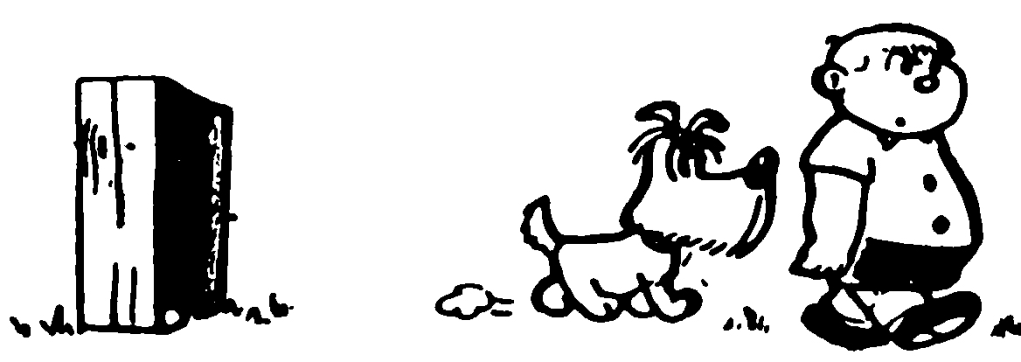
These comic strip stories are called Turma da Mônica, a comic book series that shaped the childhood of many Brazilians. The story evolved over the years until, in the 1970s, the protagonists we know, Monica and Cebolinha, were introduced in Brazil.
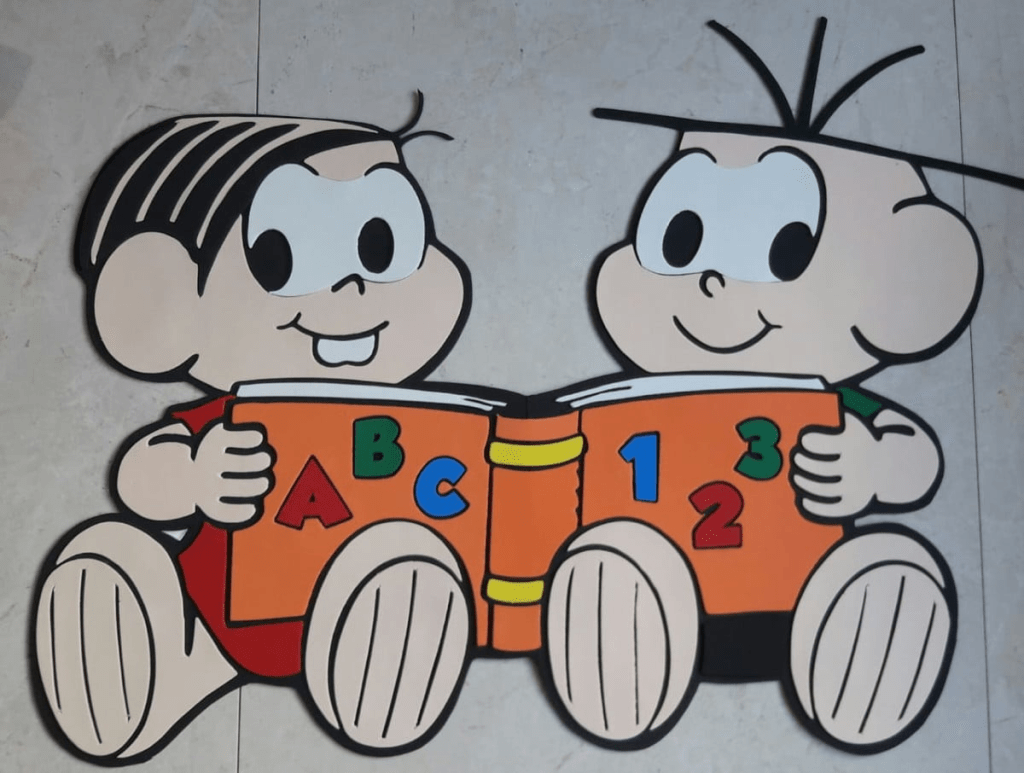
As the comic strip stories evolved and gained more popularity, several other groups emerged, such as Turma do Chico Bento, Turma da Tina, among others, evolving into a comic book. Not only that, but the famous Cascão, Magali, and Chico Bento appeared in the 80s, where production was so high that Maurício had to create a team whose goal was to give life to these characters that are shaping little kids’ childhood.
At last, Turma da Mônica left the comics and entered the real world, becoming part of products like shampoo, diapers, cream, and passing through school materials, toys, food, and even having its own theme park built. Overall, Turma da Mônica molded many people’s childhoods, being part of the core of Brazilian literature, something that all those who were part of it will forever remember.
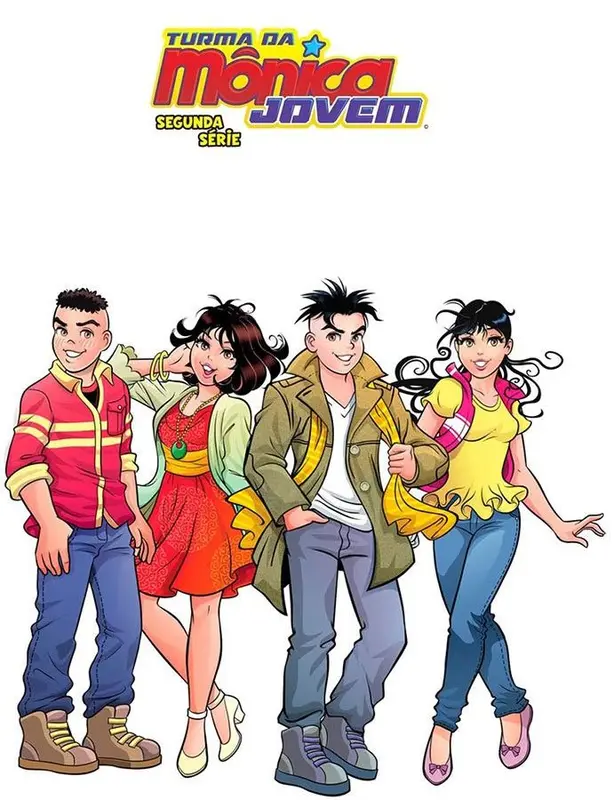
The impact of Turma da Mônica on Brazilian culture is immeasurable. The stories capture the core of Brazilian childhood, where people used to play in the streets, the specific humor of our neighborhoods, and the diverse regionalisms found from the countryside of Chico Bento to the adventures of the four primary characters. By 2008, the expansion into Turma da Mônica Jovem proved the brand’s staying power, becoming one of the best-selling manga-style comics in the world and keeping the flame alive for a new generation of digital natives.
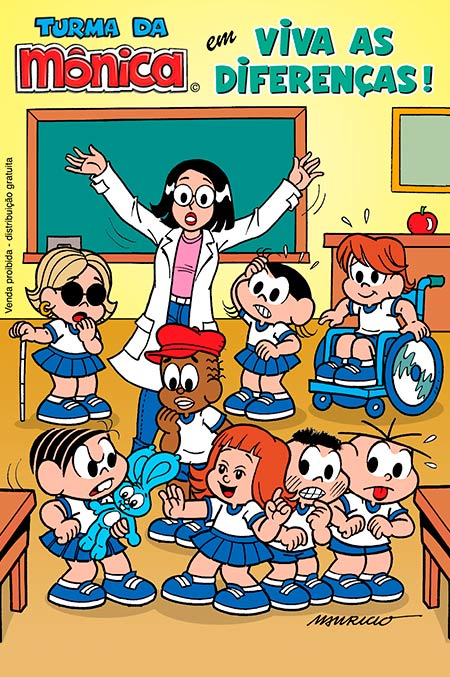
Not only that, but Turma da Mônica represents Brazil, where many characters that have been created mirror Brazil’s social diversity. Over the years, Mauricio de Sousa added friends like Luca, who uses a wheelchair, and Dorinha, who is blind, to show that everyone belongs in the game. By including characters from different backgrounds and with different abilities, the comics show that our country is like one big neighborhood where everyone’s story matters. These characters help kids see themselves on the page, proving that being different is just fine, and that everyone in this big neighborhood is different in their own way.
In summary, Turma da Mônica had a great impact on Brazilians’ lives, spanning from the adults of today to the children now in school. The Turma da Mônica’s impact is not only on literature, but also on the foundations of childhood, where children’s learning revolves around Mauricio’s invention, marking its importance in depicting Brazil’s diversity and inclusion for all the kids interested in it.
In our school, students are introduced and encouraged from a young age to visit the library, where Turma da Mônica is always available. For many of them, these comics are a favorite, providing a fun and captivating way to learn to read and understand our world and the importance of friendship from these interesting comics.
The library was a place where students would fight to see who would be able to get the best book, the one that was the most interesting to read. It was moments where reading became actually enjoyable, with the bright colors and the incredible stories produced by Maurício and his group. Moments that will forever be remembered by all of those present. One of our peers indicated:
“I used to read the comics in order to pass my time; it was one of my favorite pastimes back in the day.” – Lorenzo Paschoal
This peer’s comment shows how Turma da Monica not only taught them childhood, things as said before, like friendships, diversity, but also gave them fun memories of the past. For Lorenzo, it was the idea of passing time reading it; for others, it can be the memory of having to fight for one of the comics because it had been given a high rating by the others.
In conclusion, Turma da Monica not only provided students with cultural knowledge from Brazil, informing them about the diversity, but also taught them how to read and perceive the world. Additionally, the comics also gave them everlasting memories about childhood, with peers from school sharing how it was one of their favorite pastimes, while others record the memories of fighting in order to get the best books.
 EAC PRESS