Written by Gabriel Pedro
For sixth graders in 2026, books that most “clicked” for them were the books with action and exciting scenes, but also realistic and relatable characters. One of the most liked and reported Portuguese books in our surveys was the book “A Droga Da Obediencia”, written by Pedro Bandeira. Students describe the book as being “full of suspense” and having “crime scenes”, mysteries and teamwork that keep the story interesting throughout the reading experience.
A survey answer from a student explaining why the book was intriguing to him was particularly unique. He said that the book was special because it taught “friendship and standing up against control.” This is exactly what the professors of this course want the students to feel. Cida, the sixth-grade Portuguese teacher, says that one of the biggest problems is getting students actually intrigued and involved in the reading. “O desafio é realmente tirar eles da tela e fazer eles lerem.” Instead of forcing the students to read classics with hard language and complex storytelling, teachers try to build an important bond between the students and literature using suspense and action to show students that reading is not all that boring and bad. Cida claims that building this connection is crucial because, in her words, literature is a window into other worldviews, and broadens the reader’s mind on the people and society around them. It also helps students develop empathy and awareness for others around them, especially in more sensitive readings like Jeremias: Pele, written by Jefferson Costa.
Despite this generation being the most affected by Tik Tok and social media, they still respond strongly to books that resonate with them and stories that feel relatable and immersive. This same pattern also appeared in English literature classes, where students were drawn toward books with emotional intensity and morally complex themes. Many sixth graders also preferred books that had high emotional tension. A fan favorite was “The Giver”, a dystopian novel of a 12 year old boy who starts to see color in his life but discovers the oppressing truths hidden in his society.

The genre of this book is unfamiliar, and the vocabulary is a big jump from what they had read before. The beginning of the story is slow, and the development is more complex and elusive than the straightforward story progression they are used to. However, once students understood the world as they read, they gradually became more interested in the story. Students became more adept at discussing deeper themes.
“The Giver is special to me because it shows the importance of emotions and freedom.” – 6th grade student
This difficult book can also be more rewarding than an easy one, and students felt rewarded by completing the reading, and completing it gave students confidence. A student also wrote: “The Giver is special to me because it shows the importance of emotions and freedom.” Teachers also noticed that modern reading habits are changing the way literature is taught in the classroom. Ms. Antinori, the sixth-grade English teacher, explained that “helping students to develop stamina for reading and writing is definitely a challenge these days.” She also noted that attention spans have become shorter over the years, making it harder to sustain long classroom discussions about books. To adapt to this, she organizes smaller group discussions and activities that allow students to interact more actively with both the story and their classmates.
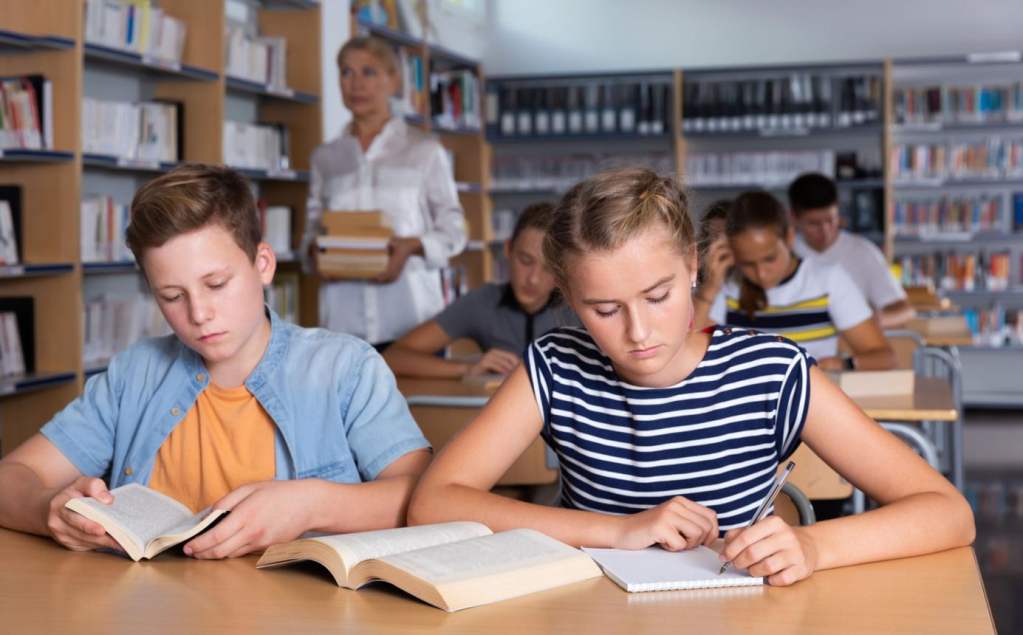
Despite the challenges, Ms. Antinori believes that students still become invested in literature when books feel meaningful and relevant to them. She explained that “the key to getting students invested in a book is to choose books that will be interesting and relevant in some way to the class.” This is especially visible with books like “The Giver”, which initially challenged many students but eventually led to deeper conversations about freedom, emotions, and society. As Ms. Antinori stated, “Once my classes understood the community, they really enjoyed discussing the bigger themes of the book.”
Ultimately, both Portuguese and English classes reveal a similar pattern: sixth graders in 2026 still connect deeply with literature when stories feel emotionally engaging, suspenseful, and personally meaningful. Even in a generation dominated by TikTok and short-form media, books continue to resonate when students are able to see themselves, their emotions, and their struggles reflected within the story.
 EAC PRESS