Written by André Dantas

The following year, interviewed was the 10th graders, class of 2028, were interviewed. This grade year is taught by Ms. H (Gabriela Hochberg) and Ms. Scriven as the English teachers, and Ms. Contarelli and Ms. Jaqueline as the Portuguese teachers. This year, many books were read by the 10th graders, serving mainly as a transitional step towards a different kind of literature seen commonly in IB. However, obviously, students and people in general will always have a favorite at the end of the day, one that can interact and communicate with them differently and uniquely than the others. To discover this, I interviewed a small group of 10th graders, asking what their favorite books from Portuguese and English were, as well as the teachers responsible for giving out and analyzing such books. Teachers, however, were asked some unique questions to assess their perspective on elements and occurrences only seen in today’s generation.
Below, you will discover which book had the most impact and was thereby favored by the 10th graders. Hopefully, this can become a stepping stone towards a literary exploration and make anticipations for the books read. As a former 10th grader myself, I can confidently say that the books I read had lasting impacts and deepened my interest in written works, and I hope this effect can also be spread to you, the reader.
The first group interviewed was the teachers. For all teachers, a common question set was asked. These include: “What is the hardest book to get kids excited about today?” “How has the conversation around [Book] changed in the last few years?” “How do you compete with TikTok and short-form media when trying to teach a 300-page novel?”
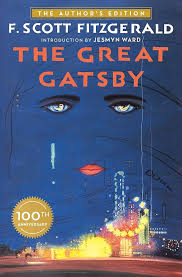
At first, I interviewed Ms. H, the English teacher, who provided extremely interesting responses. Firstly, I asked her an outside question not included previously, which was the book that got students more engaged and interested in class. Out of every book, Ms. H detailed how “The Great Gatsby” was the book that fit this question. She explained how the unique themes and different topics covered in the book got students interested, as they liked that the book covered a theme and time period that was relatively popular.
Ms. H was asked which books are hardest to get students interested in today (1st question). She explained how the main challenge is often not the content, but the length of the book. Longer novels can make students feel anxious before they even start reading. She also pointed out that books that push students out of their comfort zones by introducing unfamiliar experiences, perspectives, or themes can be tough for students to relate to. Still, she believes these challenging texts are important because they help students grow and think more deeply.
“Okay, how do I compete? I don’t, no competition. I don’t think it’s about competing. I think it’s about knowing that technology and TikTok, like the whole point of them, are short clips captures your attention. And you know, it releases some dopamine. Right? I think with longer novels, you have to really build your brain and kind of practice that.” – Ms. H.
When asked about teachers competing with platforms like TikTok and other short-form media, Ms. H said she does not see it as a competition. She explained that these platforms offer quick bursts of stimulation and instant rewards, while literature has a different role in helping students develop. Reading longer texts, she said, builds attention span and mental endurance, which are important both in school and in life. To keep students interested, she makes her classes interactive and lively, using creative teaching methods that encourage discussion, critical thinking, and enjoyment. This way, students are motivated not just to read, but to connect with what they are reading.
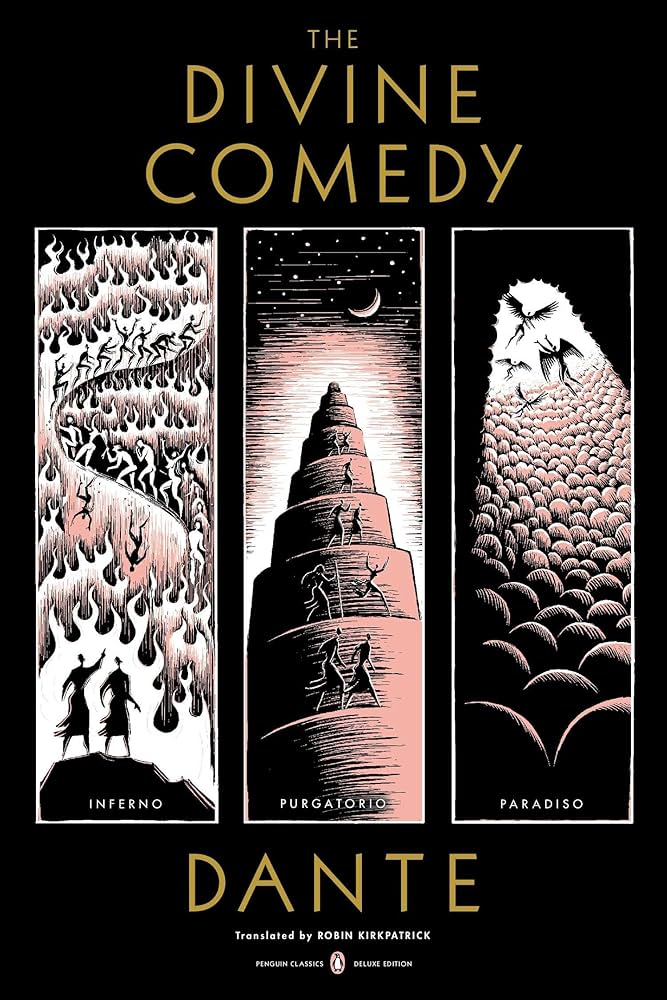
Moving to the Portuguese teachers, they explained that the most difficult books to engage 10th-grade students are often older works with complex vocabulary and structure. Texts such as “The Divine Comedy”, “Auto da Barca do Inferno”, and works by Machado de Assis require a higher level of interpretation and attention, which can initially intimidate students. Machado de Assis was described as having a refined and ironic writing style that demands careful reading. Despite these challenges, students often grow to appreciate these works as they begin to understand their themes and deeper meanings. The teacher also emphasized that engagement often depends on the topic. Even complex texts can become interesting once students connect with their ideas.

Regarding the question of the influence of short-form media, the teacher stated that there is no real competition between platforms like TikTok and literature because they serve different purposes. While social media offers quick entertainment, reading develops focus, critical thinking, and long-term engagement. Instead of competing, the teacher sometimes uses these platforms to introduce books and spark interest. Among all works studied, “Noite na Taverna” stood out as the book that most captured students’ attention. This is largely due to its dark, gothic themes involving crime and human behavior, which resemble the appeal of horror and suspense genres. However, the teacher noted that students today tend to react less emotionally to these events than in previous years. This leads educators to draw stronger connections between the text and real-life issues to encourage deeper reflection.

The final group interviewed was the infamous 10th-grade students. They were asked the following questions: “Do you actually read the book, or do you rely on summaries online?” “What themes present in the book do you believe are relevant to nowadays?” “Is there a character in this book you actually relate to, or do they feel like they’re from another planet?” “Which book had the most impact on you?”
The responses from the 10th graders revealed clear trends in their reading habits and preferences. Many students said they read the assigned books, but a noticeable number admitted to occasionally relying on online summaries, especially with longer or more challenging texts. When discussing themes, most students identified key ideas like relationships, ambition, and societal expectations, though their interpretations were often general rather than deeply analytical. Regarding character connection, several students had difficulty relating to characters from older works, describing them as distant or shaped by very different contexts. Others still found moments of connection through shared emotions or conflicts. Despite these mixed responses, The Great Gatsby and Noite na Taverna stood out as the books with the most impact, likely due to their engaging narratives and themes that captured students’ attention and interest in different ways.
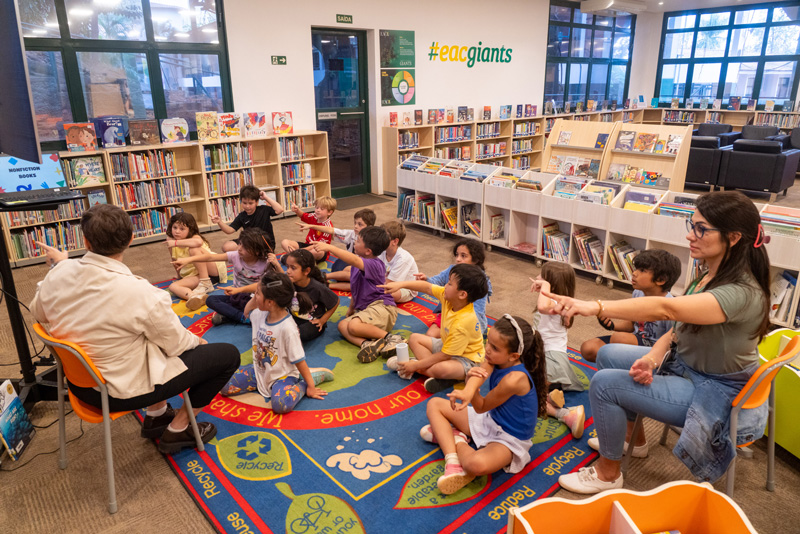
In the end, what stood out most from these interviews was how certain books genuinely stayed with students, even after finishing them. The Great Gatsby and Noite na Taverna clearly had the strongest impact, each in its own way: one through its themes of ambition and illusion, and the other through its shocking and suspenseful storytelling. What made them memorable was not just the content itself, but how students connected to them, whether through curiosity, emotion, or simply how different they felt from other readings.
At the same time, it became clear that opinions on books are constantly changing. What one group of students finds engaging or meaningful might not resonate the same way with another. Preferences shift as students are exposed to new ideas, different types of media, and their own personal experiences. Because of this, literature in the classroom is not just about the books themselves, but about how each new group of readers interprets them. What remains consistent, however, is the potential for certain stories to leave a lasting impression, even in a generation surrounded by faster and more immediate forms of content.
 EAC PRESS