Written by Yoogeon Choi
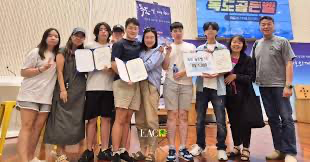
International schools are defined by their diversity, bringing together students from different cultural, linguistic and social backgrounds into a shared academic environment. At Escola Americana de Campinas (henceforth EAC), this diversity is especially visible with students representing more than 20 nationalities. From these groups the Korean community stands out as a consistent and influential presence within the school. One of the Korean student’s parent said “much like global cities shaped by migration and economic movement, the international schools reflect the patterns of mobility driven by multinational corporations and global education systems.” The presence of Korean families at EAC is not random, rather it is closely tied to broader economic and social forces.
“Much like global cities shaped by migration and economic movement, the international schools reflect the patterns of mobility driven by multinational corporations and global education systems.” – Eunmi Park, one of the Korean student’s parent
Demographic
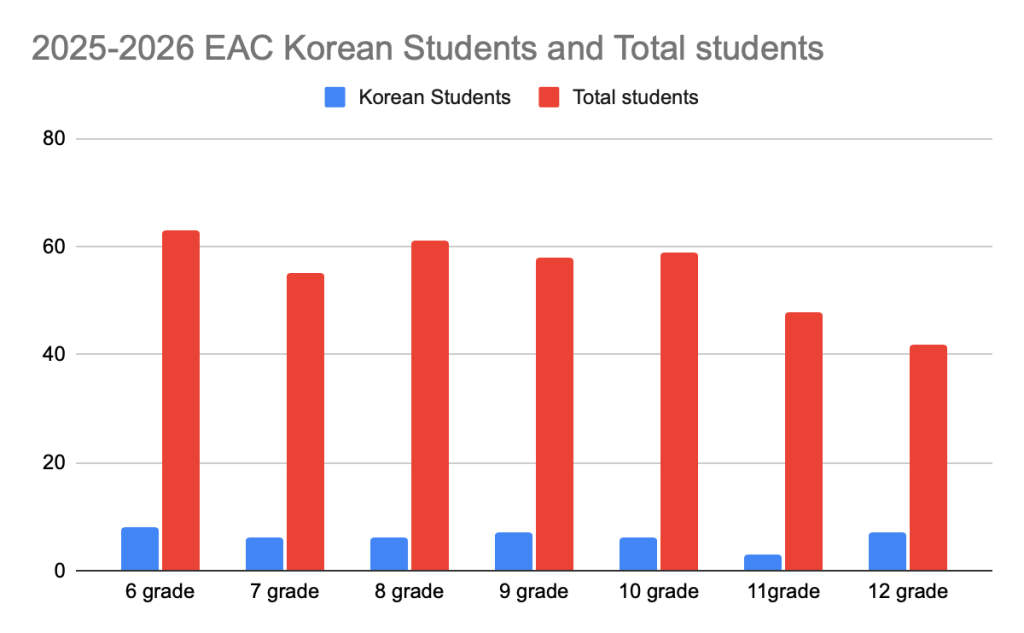
Although the school does not officially publish a breakdown of students by nationality, several indicators suggest that the Korean community forms an important portion of the student body. The availability of Korean language classes and the visible presence of Korean students across different grade levels point to a stable and ongoing population. In the 2nd semester of 2025-2026 there were 8 students in 6th grade, 6 students in 7th grade, 6 students in 8th grade, 7 students in 9th grade, 6 students in 10th grade and 3 students in 11th grade. In recent years, the presence of Korean students in international schools has shown a gradual increase, reflecting broader global mobility trends. At EAC although exact nationality data is not publicly available, the continued offering of Korean language classes and the visible presence of Korean families suggest a stable and possibly growing community.

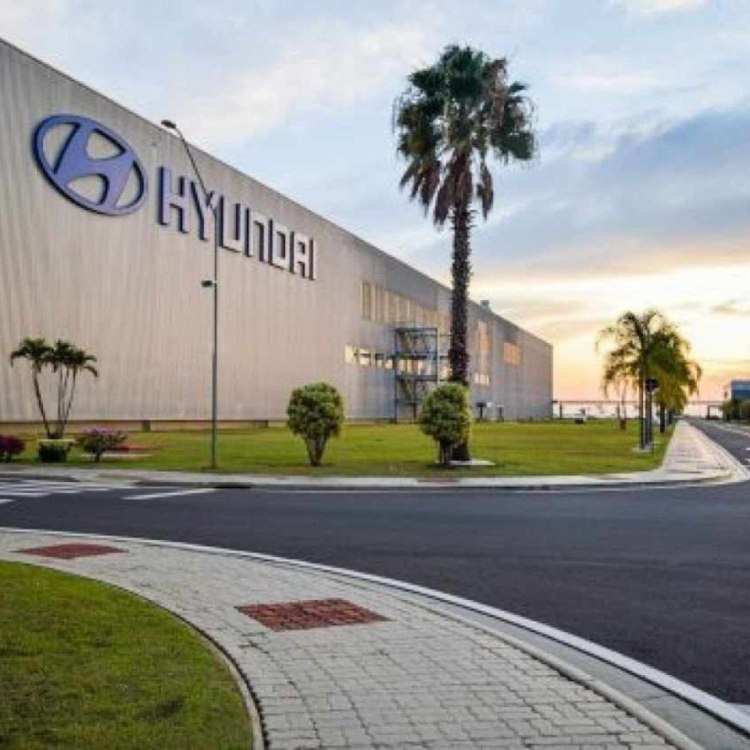
This trend aligns with international school patterns worldwide, where rising numbers of expatriate professionals often linked to various companies for example Samsung and Hyundai relocate with their families for work assignments. As globalization expands and companies strengthen their international operations, more Korean families seek English based education for their children leading to increased enrollment in international schools. Although there is no exact record of when Korean families first arrived at EAC, their presence likely increased during the late 20th and early 21st centuries.
Historical Context
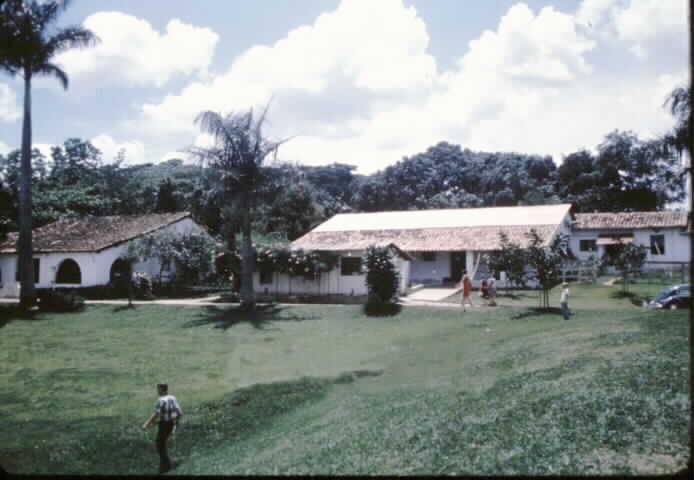
The origins of the Korean community at EAC can be found through the school’s broader historical development. When the school was founded in 1956, it only had four students, primarily children of expatriates from 3M. Over time, enrollment gradually increased as more international companies established operations in Campinas. The development of the Korean community at EAC is closely connected to the school’s historical role as an institution serving expatriate families. The school has long been associated with international business networks. Over time, Campinas has grown into a major economic and technological center attracting multinational corporations, including Hyundai and Samsung. These companies have facilitated the relocation of Korean professionals and their families to the region.
An important turning point happened in 2012, when Hyundai built its factory in Brazil. This development led to an important reason for Korean families into Campinas, many of whom enrolled their children at EAC. As Hyundai became one of the school’s supporting companies, Korean student enrollment increased rapidly, marking the most substantial growth of this community in the school’s history. Since then, the Korean student has remained a defining feature of the school’s demographic landscape. While other various country student influences continue to shape the student body, the Korean community stands out because of its scale and continuity. From these changes, EAC has adapted both academically and institutionally. The school offers a combination of American, Brazilian, and International Baccalaureate (IB) curricula. These adaptations reflect an effort to accommodate a diverse, mobile, and multilingual student population.
Inclusion & Integration
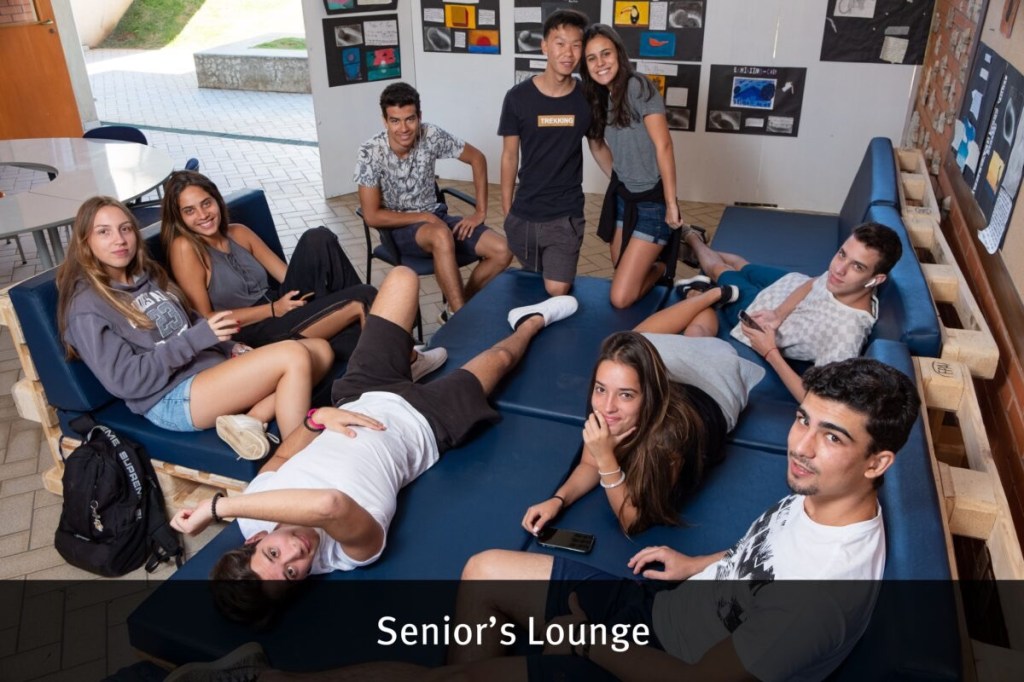
Despite being part of an international school environment the experience of Korean students at EAC is not all the same. Most of the students find comfort with their own community, forming close social groups that provide familiarity and shared cultural understanding. These groups act as supporting systems, particularly for newly arrived students to adapt to a new country and culture. Cross-cultural friendships certainly exist, but language barriers and cultural differences can sometimes slow the process of integration. Although discrimination is not widely reported, challenges such as language barriers and initial social adjustment remain part of the experience for some foreign students that don’t have the same culture. “For many Korean families, Brazil and Campinas is seen as a temporary stop rather than a permanent home. This perception influences how deeply they invest in local culture and community.” Those with longer stays tend to integrate more fully, on the other hand short term residents may remain more closely connected to their own cultural group.
Language Hybridity

At EAC, the Korean student experience is one of constant interaction with multiple languages. Korean students navigate between three major languages throughout their day-to-day life. They use Korean at home, they use English for instruction and communication with international students; and they use Portuguese to access local communities.
These students demonstrate frequent code switching with one another, particularly when engaging informally. For example, when among their closest friends, they are likely to use Korean to feel comforted, to express emotional thoughts, or for reasons of privacy. However, because English is the predominant language that all students have in common, English is the primary language of instruction and communication throughout EAC. Students also find Portuguese to be necessary for interacting with people in the local area. However, many students have described Portuguese as the most challenging language to learn.
The multilingual experience that students have experienced over time will create hybrids of any number of languages that are familiar to them. For example, many students will mix vocabulary that is familiar across multiple languages; they may use idiomatic expressions from multiple languages; such as Eu quero beber agua gelada, I want to drink cold water, 차가운 물 마시고 싶다 and they may develop a new way of communicating with each other that incorporates slang from both Korean and English.
Unfortunately, some students also expressed challenges with their language fluency and identity as a result of having mixed language experiences. Students reported that they often feel in between the two languages they spend most of their time using and that they have lost fluency in academic Korean, yet they have not yet fully mastered Portuguese. Having this experience has affected how students communicate with others, as well as how they perceive themselves in relation to their surrounding environment and identity.
Conclusion
The Korean population at EAC is another clear example of how globalization has impacted this world and through the expansion of Hyundai’s units in Brazil in 2012 it has also grown along with it. Even though many of the individual students may enter and leave the school each year, the Korean population remains strong and continues to be integrated with new arrivals.
The Korean culture and identity at EAC is determined not simply on a numerical level but rather on the basis of mobilization, flexibility and cultural integration. Therefore, each student is able to create his or her own experience by navigating through different cultures, languages and cultural expectations – a unique experience created through the influence of global and local forces.
Analyzing this phenomenon reveals not just a better understanding of the EAC school community, but also a deeper appreciation for the long term trends in the structure of international education as the world becomes increasingly interconnected.
 EAC PRESS