by Yechan Han
Imagine flipping a light switch and knowing that not a single bit of electricity is being wasted as it travels through the wires. Picture trains gliding silently at airplane speeds, floating effortlessly above their tracks. Envision doctors detecting health problems with such precision that diseases can be caught before symptoms even appear. This isn’t the plot of a futuristic novel – these are real possibilities offered by superconductors, materials that could fundamentally transform our technological landscape. While they might sound like something from science fiction, superconductors are already working behind the scenes in some of our most advanced technologies, and researchers are racing to unlock their full potential.
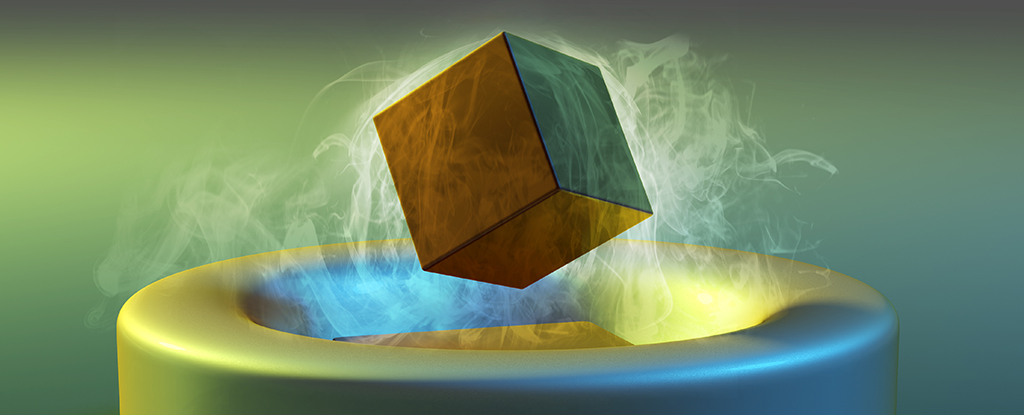
Understanding Superconductors: What are Superconductors and How do they Function?
To appreciate why superconductors are so revolutionary, we first need to understand how ordinary electricity works. In conventional materials like copper wires, electrical current faces resistance – think of it like friction for electricity. This resistance causes energy to be lost as heat (which is why your laptop gets warm and your phone charger heats up during use). Even our best electrical grids lose about 5-10% of their power this way – enough energy to power entire countries going to waste.
Superconductors change all this by offering a path of zero resistance when cooled below a specific temperature. This phenomenon was first discovered in 1911 by Dutch physicist Heike Kamerlingh Onnes, who observed mercury’s resistance suddenly disappearing at -452°F (-269°C), just a few degrees above absolute zero (-459.67°F or -273.15°C). Absolute zero is the theoretical temperature where all molecular motion stops – it’s the coldest anything can possibly be. While we can’t actually reach absolute zero, getting close enough revealed this astonishing behavior.
But how does this actually work? At normal temperatures, electrons moving through metal bump into atoms, losing energy along the way. In superconductors, something remarkable happens: electrons pair up (called Cooper pairs) and move in perfect harmony through the material’s structure, electrons moving in coordinated patterns, allowing perfect flow without collisions. These paired electrons can slip past atoms unimpeded, resulting in that magical zero resistance.
The Meissner Effect: More Than Just Zero Resistance
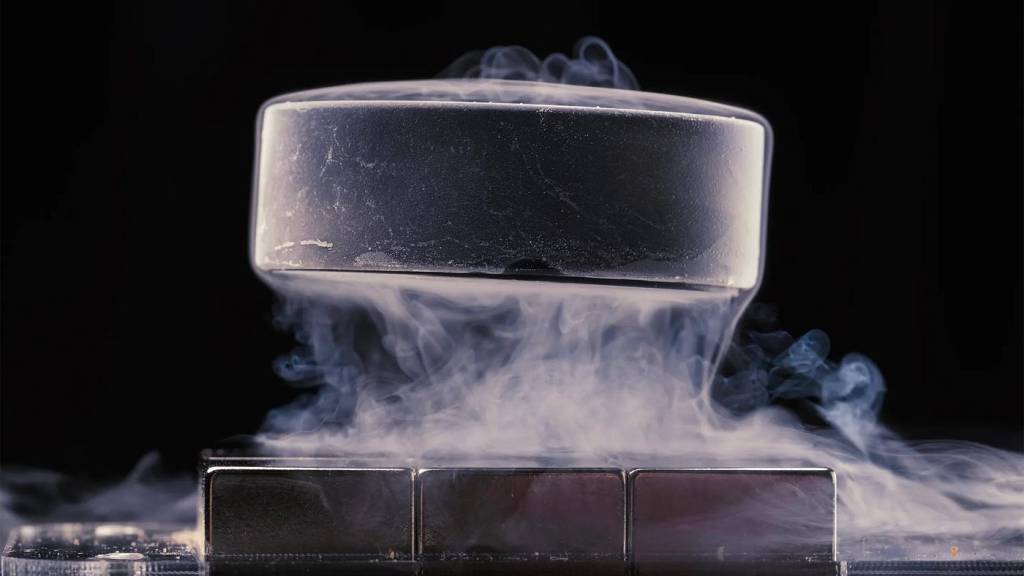
Superconductors have another property that is just as impressive – they completely expel magnetic fields from their interior, a phenomenon called the Meissner effect. This isn’t just about not being magnetic; superconductors actively push away magnetic fields. You can demonstrate this by placing a magnet above a superconductor cooled below its critical temperature – the magnet will levitate in mid-air, seemingly defying gravity.
This perfect diamagnetism (the technical term for repelling magnetic fields) is actually more fundamental to superconductivity than the zero resistance itself. It’s so distinctive that scientists often use it as the definitive test for whether a material is truly superconducting. The effect occurs because the superconductor generates surface currents that exactly cancel any incoming magnetic field, creating this perfect expulsion.
Superconductors in Action: Changing Our World Today
While we wait for room-temperature superconductors, these materials are already making an impact in several key areas:
- Medical Imaging Revolution (MRI Machines)
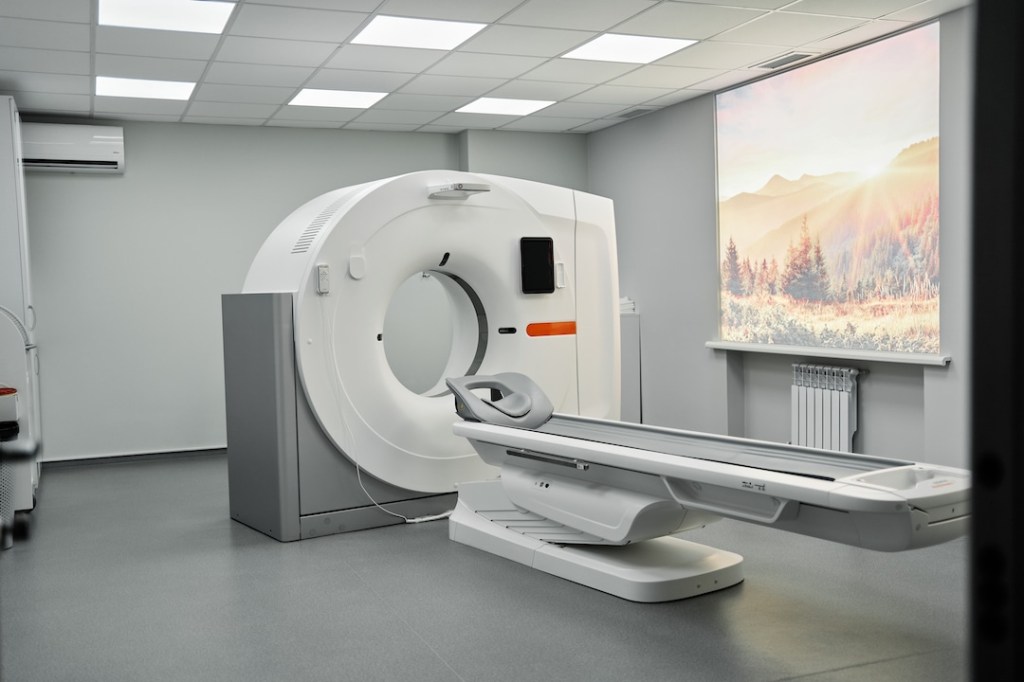
Magnetic Resonance Imaging (MRI) has become one of medicine’s most important diagnostic tools, with over 60 million scans performed globally each year. Unlike X-rays or CT scans that use radiation, MRIs create detailed images using powerful magnetic fields and radio waves. The heart of every MRI machine is a superconducting magnet, typically made from niobium-titanium alloy, cooled by liquid helium. These magnets create fields 100,000 times stronger than Earth’s magnetic field, allowing doctors to see soft tissues with incredible clarity. Newer “open” MRI designs and machines with stronger magnets continue to improve patient comfort and diagnostic capabilities.
- Transportation: The Future of Rail (Maglev Trains)
Magnetic levitation (maglev) trains showcase superconductors’ ability to transform transportation. By utilizing superconducting magnets, these trains achieve both levitation and propulsion without physical contact with tracks. The magnets create a powerful, stable magnetic field that allows the train to float above the guideway, eliminating friction entirely. This enables maglev trains to reach speeds far surpassing conventional rail while operating with exceptional energy efficiency. The absence of moving parts reduces maintenance needs and wear, making these systems potentially more reliable and cost-effective over time.

- Computing: Quantum computing
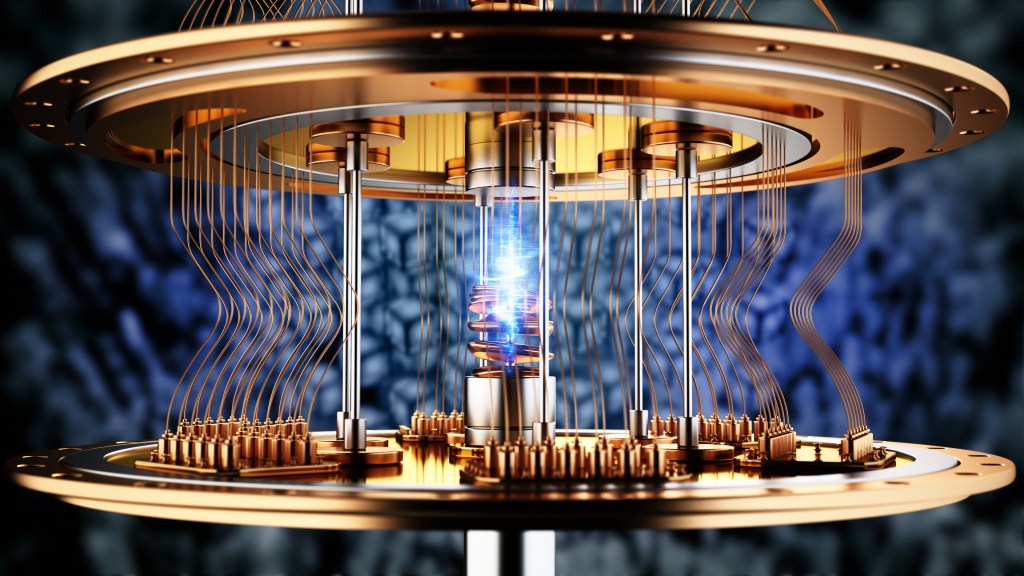
Superconductors are helping to create a totally new kind of computer called quantum computers. Regular computers use bits that are like simple on/off switches (0 or 1), but quantum computers use “qubits” that can be on, off, or both at the same time, which sounds crazy but is true! This is because superconductors let us make special circuits that can work as these qubits. When we cool these circuits super cold, they can do special quantum tricks that normal circuits can’t. It’s like giving a computer the ability to try many solutions to a problem all at once instead of one by one. Right now, scientists are still working out the kinks (like how to stop these qubits from making mistakes), but this technology could someday help us, such as designing new medicines much faster, creating better batteries and materials, and solving really hard math problems.
In summation, superconductors represent one of the most promising frontiers in materials science, offering solutions to some of our most pressing technological challenges. From the MRI machines that save lives to the quantum computers that may one day cure diseases, from the maglev trains that shrink distances to the potential for perfectly efficient energy grids – these remarkable materials are already changing our world, even as researchers work to unlock their full potential. While the path to widespread adoption still faces hurdles, the progress made in just over a century since their discovery is remarkable. With continued investment and research, the day may come when superconductors transition from specialized applications to everyday technology, revolutionizing how we use energy, travel, and process information. In this potential future, the science fiction dreams of today could become the reality of tomorrow.
 EAC PRESS
Yechan, I really enjoyed reading this article! While science is not a subject I normally find myself immersed in, I was able to easily follow your logic while keeping entertained. Well done! I look forward to reading more in the future.
LikeLike
I really enjoyed and was fascinated by this article. In the past, I had already done a superficial research on superconductors, as I was always fascinated by that concept. However, I found it really interesting to learn solid background knowledge and discover applications for superconductors that I never had knowledge of existing, such as MRIs.
LikeLike
Superconductors have great potential but maintaining them at operational temperatures are a massive hurdle that is very hard to overcome. Also, your remark on qubits demonstrates great knowledge on the subject. Very good article, but it is important to mention that we are nowhere near making superconductors viable, especially for consumer grade computers. It would take an enormous breakthrough on cooling technology to make them viable in day to day life.
LikeLike