Minchan Kim
Introduction
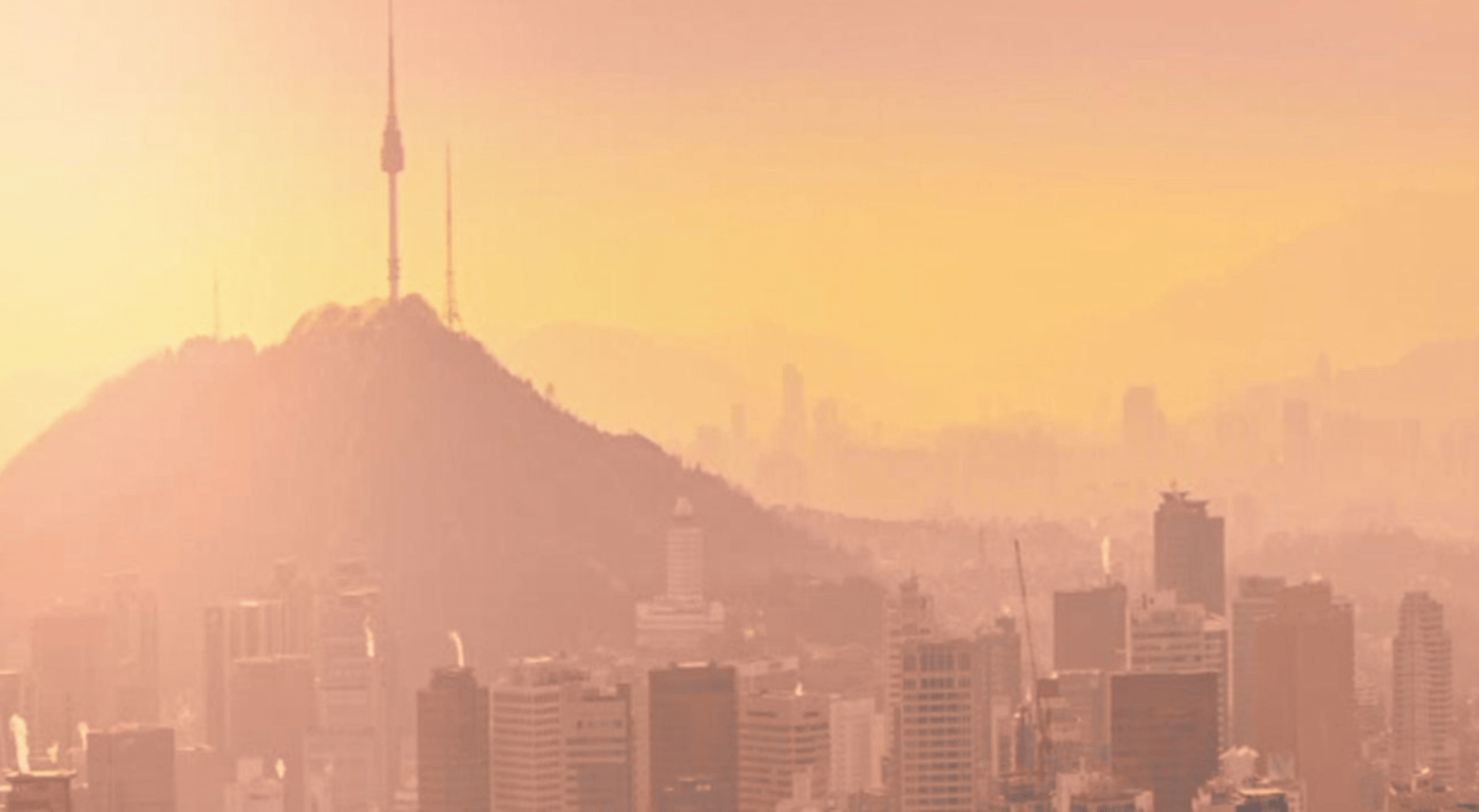
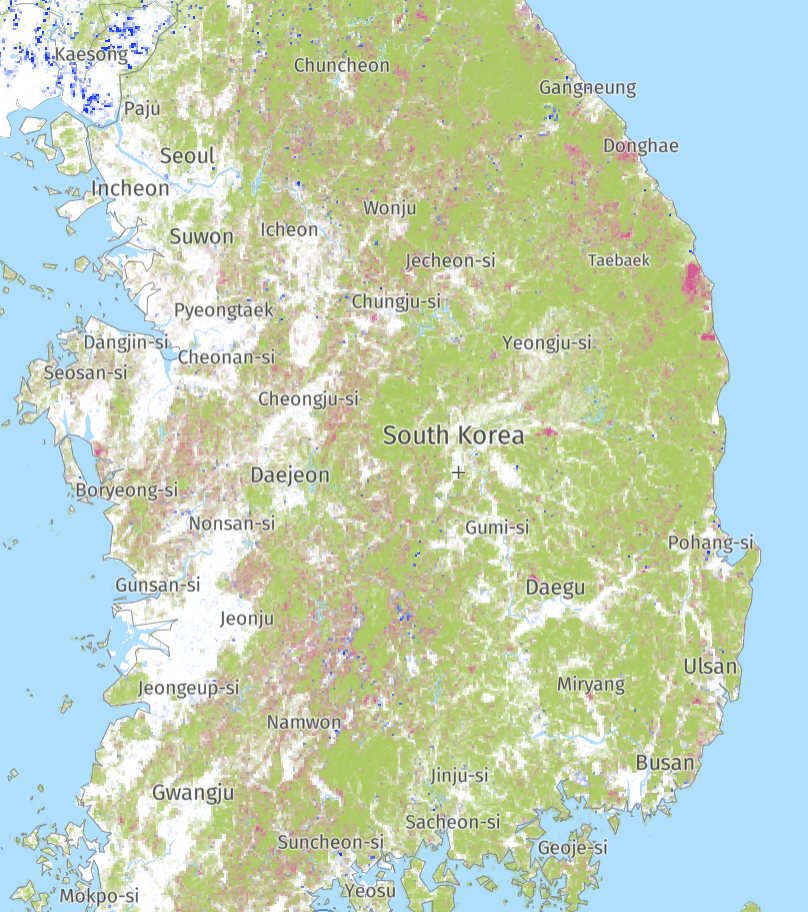
Korea struggles with air pollution, a growing issue affecting public health and the environment. While the country is known for its beautiful mountains, lush forests, and four distinct seasons, pollution has become a major concern. The terrain, with 70% of the land covered in mountains, influences the local climate and air circulation, sometimes trapping pollutants in valleys and urban areas. Despite Korea’s rich natural environment, factors such as industrialization, deforestation, and external pollution sources have contributed to deteriorating air quality. In this article, I will discuss the causes and effects of pollution in Korea and explore potential solutions to address this urgent issue.
The Role of Korea’s Forests
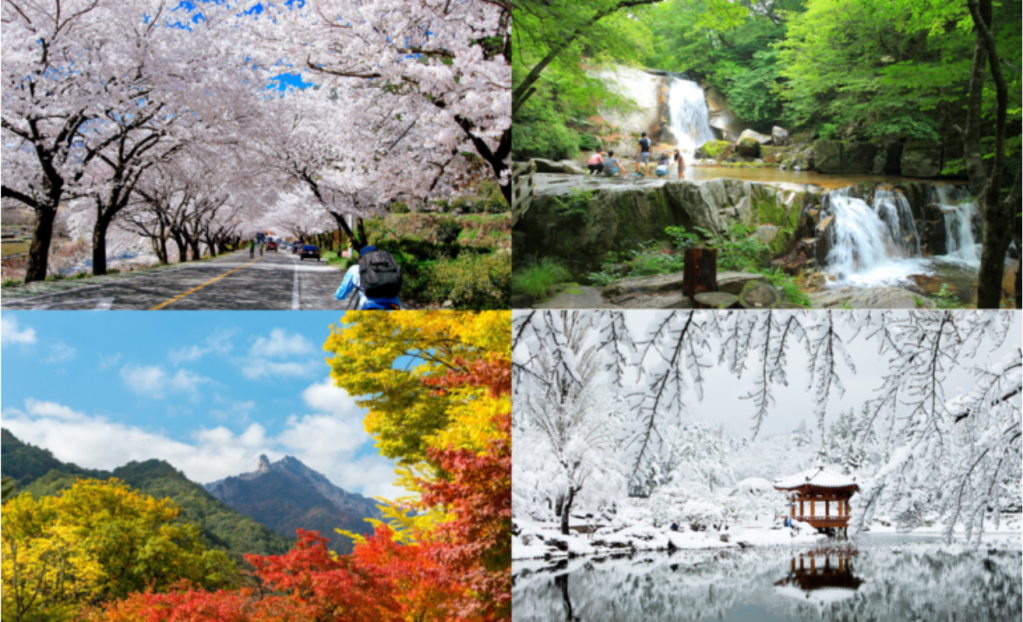
Korea’s temperate forest biome consists of deciduous and coniferous trees, forming a rich tapestry of greenery that changes with the seasons. The mountainous landscape can also trap pollutants in valleys and urban areas, compounding air quality issues. Spring awakens cherry blossoms, summers are humid, fall turns the forests red, and winter covers the land with snow. This cycle has sustained life for centuries, but recent human activities are shifting the balance.
Korea’s forests are not just for beauty; they help clean the air and provide homes for animals. Deciduous trees, like oak, maple, and birch, lose their leaves in the winter, helping enrich the soil. Coniferous trees, like pine, fir, and spruce, stay green all year and help absorb pollution. However, as pollution increases and more trees are cut down, the forests are losing their ability to clean the air.
Causes of Air Pollution
Every spring, a thick layer of yellow dust blows into Korea from the Gobi Desert and industrial areas in China. This dust carries harmful substances like heavy metals, sulfur dioxide, and carbon monoxide. Because Korea is covered in mountains, this dust often stays in the air, making it hard to breathe. People see hazy skies, get irritated eyes, and suffer from more health problems.
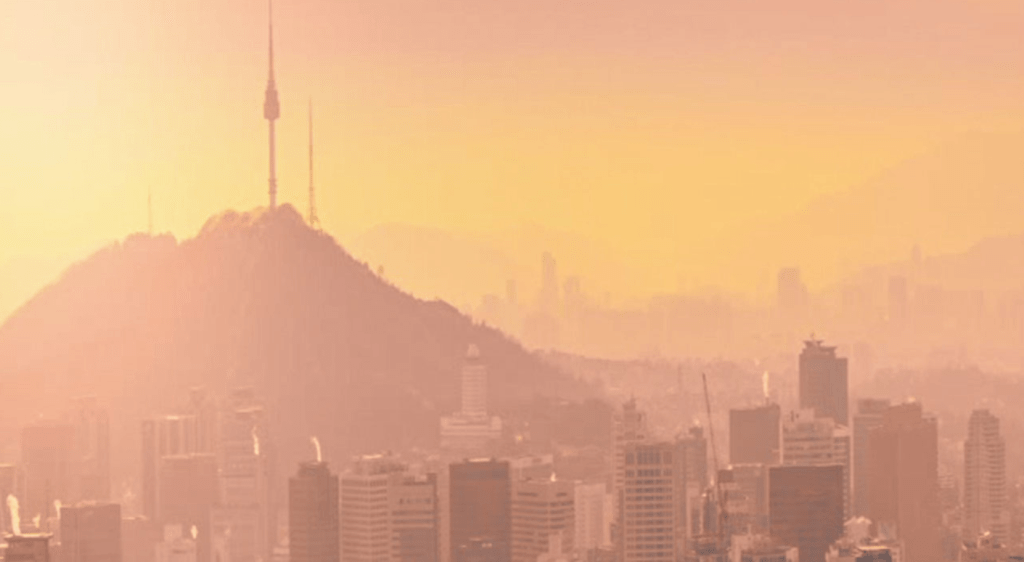
Korea’s rapid economic growth has brought many factories, power plants, and cars, but also a lot of pollution. Steel factories, chemical plants, and power stations release harmful gases into the air. In cities like Seoul, millions of cars add to the problem, releasing exhaust fumes that mix with fine dust—dirty air, more coughing, and breathing problems, especially for children and the elderly.
As cities grow, forests are being cut down. Trees help clean the air and cool the environment, but when they are removed, pollution gets worse. Cities also trap heat, making the air hotter and harder to breathe. Green areas, which once provided fresh air, are shrinking.
Broader Environmental Impacts
Pollution doesn’t just affect the air. Factories and farms dump waste into rivers, making the water unsafe. Plastic waste in the ocean harms marine life. Farmers use too many chemicals on crops, damaging the soil. These problems all add up, hurting both nature and people.
Health Effects of Pollution
Pollution is not just about the environment—it affects people’s health as well. Tiny dust particles get into the lungs, causing asthma, bronchitis, and even lung cancer. The heart is also at risk, with pollution increasing the chances of heart attacks, strokes, and irregular heartbeats. It can even affect the brain, slowing down development in children and increasing memory problems in older adults. The air we breathe should give us life, but now it makes us sick.
Impact on Nature
Pollution is also harming nature. Fewer animals are surviving because their habitats are being destroyed. Dirty water and soil make it harder for farmers to grow food. Cutting down forests and releasing harmful gases into the air makes climate change worse, causing more extreme weather. The balance of nature is being disturbed.
Solutions for a Cleaner Future
Korea’s forests, rivers, and mountains are still beautiful, but pollution is threatening them. The solution is to find a balance between economic growth and protecting nature. Stronger rules on factory emissions, planting more trees, and educating people about pollution can help create a cleaner future.
 EAC PRESS
From this article I learned why the air pollution is so bad in Korea and the reason also. This article contains various pictures that the bad air pollution that Korea has. Also this article talks about various ideas such as solution, impact and heal effect. So this article will be very helpful for people who are studying about nature and air pollution, because this could be an example.
LikeLike