Written by Yechan Han and Tony Lee
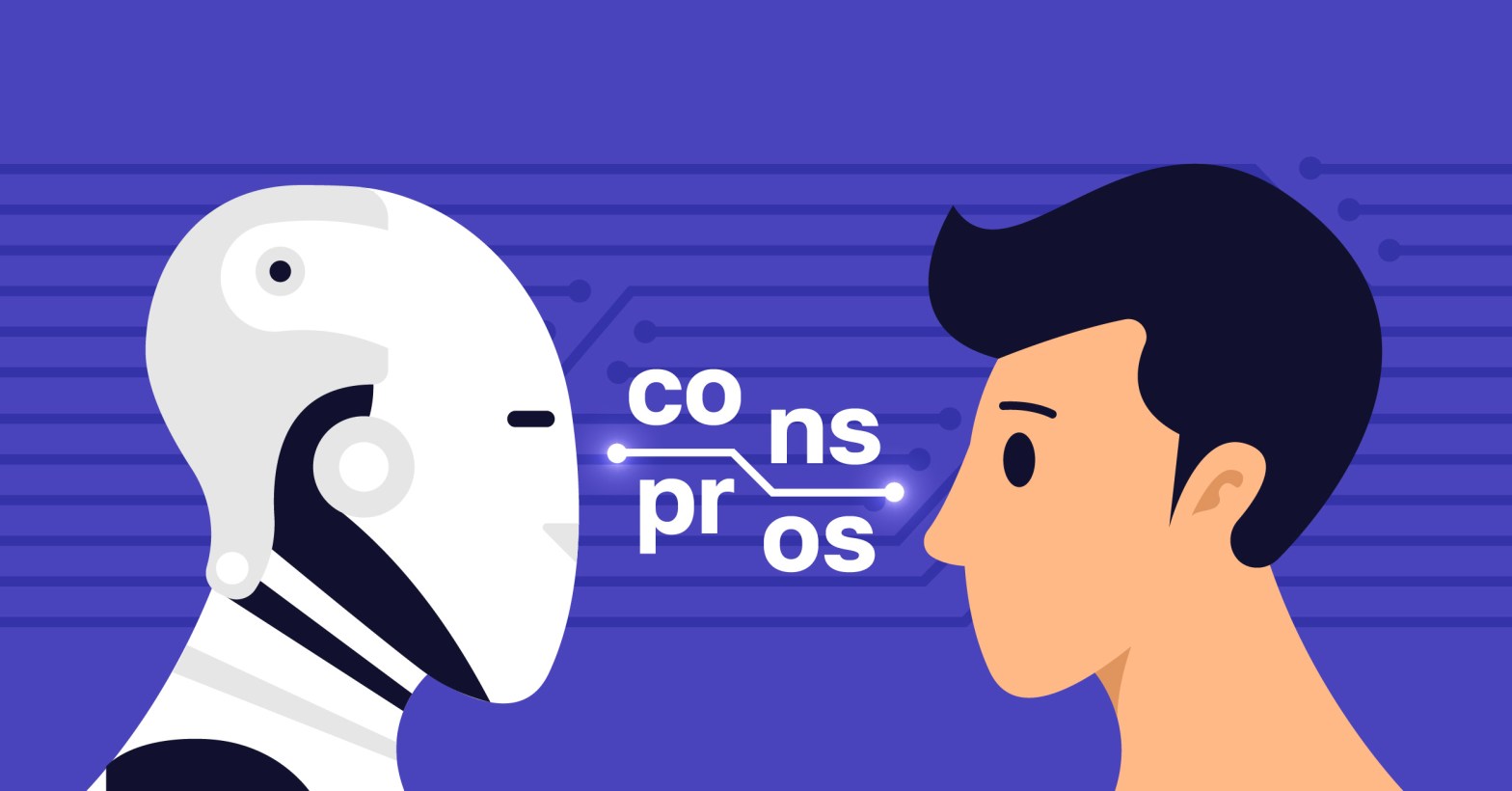
Artificial Intelligence (AI) is a technology that allows digital systems to simulate human learning, comprehension, problem-solving, decision-making, and creativity. Hence, AI systems work by comprehending large sets of data and information with intelligence and processing them with algorithms to learn from patterns and features in the data that they analyze to present to the users. Thus, whenever an AI system is utilized, it tests and measures its own performance and develops additional features, meaning that it keeps developing and advancing to provide sufficient information to the users. Therefore, AI tools are increasingly being utilized in education to enhance learning experiences, gather information more rapidly and efficiently, and support both students and educators these days. This is due to the fact that AI tools provide an opportunity to enhance the educational experience by providing a variety of information, improving engagement, and supporting learners in various ways. However, their effectiveness depends on thoughtful implementation and usage. This implies that some usage of AI tools can have a negative impact on learners’ academic performance or experience. Hence, this article will explore the positive and negative impacts of the usage of AI tools.
By far known by the population and society, AI tools are effective and efficient facilities to be used in education. As numerous educators and learners utilize AI tools in their system of education, it implies that there are also numerous benefits and advantages in the utilization of AI tools. Thus, we will first talk about the advantages of using AI tools which are enhanced efficiency and productivity, and high availability.
First of all, AI tools provide increased efficiency and productivity in completing tasks due to their wide range of information and rapid ability to provide whatever is necessary. Thus, AI tools provide information that is necessary and important to the users rapidly and efficiently. This is due to the fact that AI tools can optimize processes and reduce the time and resources required. AI tools can provide a wide range of information whenever needed, analyze data and information, predict outcomes and challenges, and suggest improvements or resolutions. This leads to faster production of information and more in-depth data that are necessary for the users. Moreover, AI tools can increase workforce productivity. They can prioritize tasks, provide steps for the process, and automate repetitive work. In this way, it allows the users to focus on more strategic and efficient tasks in education, managing their workloads more effectively and completing projects faster. For example, AI project management tools like ‘Asana’ prioritize tasks and deadlines, recommending what to focus on subsequently and automating routine follow-ups. This is extremely helpful in education for educators and learners. Educators can organize and plan their education and teaching systematically while learners can organize what to focus on in their studies and identify the process that will take.
Furthermore, not only AI can provide a wide range of information with detail, it is also available at any moment at any time which is a huge benefit. Learners such as students can only learn in schools or educational institutions that have limited time for education services. However, AI tools can provide various and sufficient information rapidly and support the users at any time which is one of the important aspects why people utilize it. Moreover, human resources like educators, teachers, and professors who educate learners have productive working hours. This means that their efficiency has limited time, implying that they cannot provide the best of their education for a long time. As they are humans, they need to have breaks and time off to balance out their work. On the other hand, there are no ups and downs or feelings of tiredness and laziness in AI tools. This suggests that AI tools can work endlessly without breaks like a human as their system of machines. They produce information much faster and perform more efficiently than humans by performing multiple tasks simultaneously with accurate results. For example, AI-powered chatbots or digital assistance like ‘Perplexity’ can assist or support customers anywhere anytime. They provide constantly updated information to the users sustainably. This is extremely beneficial and helpful for the users in education as they can reach out or find out information or answers that they might have questions about. Hence, they can learn more information efficiently and rapidly. The Junior student in EAC Minchan Kim says, “Sometimes I use AI when I study subjects from school. By asking questions to AI, I can find answers quickly and effectively save time, and improve study efficiency. To be honest, I prefer tools like Chatgpt and perplexity in gathering general information. That is why I think AI can be effectively used in various fields for educational purposes such as brainstorming and gathering a wide range of information.“ As an example, here are some valuable tools that ChatGPT, a well-known AI tool, can provide in education identified by ChatGPT:
- Tutoring and Homework Help: ChatGPT can provide explanations and help with understanding difficult concepts in subjects like math, science, history, and more. It can assist with solving problems, offering step-by-step solutions, and clarifying doubts.
- Writing Assistance: It can help students with writing tasks, including brainstorming ideas, structuring essays, editing for grammar and style, and providing feedback on drafts.
- Language Learning: For language learners, ChatGPT can help with vocabulary building, grammar practice, and conversational practice in different languages.
- Research and Information Retrieval: It can assist in gathering information on a wide range of topics, summarizing research articles, and presenting key points in an accessible manner.
- Study Aids: ChatGPT can create quizzes, flashcards, and other study aids to help students prepare for exams and reinforce learning.
- Project Planning and Management: It can help students organize and plan their projects, set goals, and manage their time effectively.
- Educational Games and Activities: ChatGPT can create educational games and interactive activities to make learning more engaging and fun.
- Support for Teachers: It can assist educators by providing lesson plan ideas, generating teaching materials, and offering resources for professional development.
Moreover, here are some useful AI tools that can be utilized in education for suggestions:
- AI-Powered Writing Assistants:
- Grammarly: Offers real-time grammar, spelling, and style suggestions to improve writing.
- Hemingway Editor: Helps enhance writing clarity and readability by providing suggestions on sentence structure and word choice.
- Language Learning Apps:
- Duolingo: Uses AI to personalize language learning experiences and adapt lessons to the learner’s proficiency level.
- Rosetta Stone: Provides immersive language learning experiences with AI-driven speech recognition for practice.
- Educational Chatbots:
- Woebot: Offers mental health support and emotional learning through AI-driven conversational interactions.
- Misty: Provides academic support and can answer questions or guide students through various topics.
- AI for Classroom Management:
- Classcraft: Uses AI to gamify classroom management, encouraging positive behavior and engagement through game-based learning.
- LanSchool: Provides classroom management tools that use AI to monitor and manage student activities on devices.
- Content Creation Tools:
- Articulate 360: Helps create interactive e-learning content, leveraging AI to streamline course development.
- Synthesia: Allows educators to create AI-generated video content for lessons and presentations.
- AI-Based Scheduling and Administration:
- Kaltura: Offers AI tools for managing and organizing video content, which can be used for lectures and instructional videos.
- Acuity Scheduling: Uses AI to manage appointments and scheduling, streamlining administrative tasks.
The use of AI tools for educational purposes like this creates many advantages and helps countless people study effectively. It is also continuously being integrated into more and more diverse fields. However, there are also significant drawbacks, and this time we will look at two major concerns: lack of individualization and over-reliance on AI, and providing bias or misinformation.
However, AI mainly aims to answer based on generalized information, so it may not effectively lead to the desired results for students.
The current and obvious problem with using AI in education is the lack of individualization for students and over-reliance on AI. In the general educational method, where teachers teach students, educators can adjust classes to suit each student’s learning style and teach them effectively, and our education in EAC maintains this level. However, AI mainly aims to answer based on generalized information, so it may not effectively lead to the desired results for students. For example, if students have difficulty understanding a certain concept, they can ask the educator for help, but AI may not be able to provide this. Moreover, over-reliance on AI can lead students to neglect the development of critical thinking and problem-solving skills by pursuing only solutions to questions. This is because most students only look for immediate answers from AI. As such, AI makes students dependent on it, preventing them from effectively using their thinking style and leading to a life with limited ability to expand their knowledge.
Because AI answers the question based on its educated information, it can unconsciously provide biases in its output if that information contains any cultural, racial, or ideological biases. In other words, students may receive distorted views on the topic, having inaccurate understanding and worldview.
There is another problem with using AI in education: providing bias and misinformation. Because AI answers the question based on its educated information, it can unconsciously provide biases in its output if that information contains any cultural, racial, or ideological biases. In other words, students may receive distorted views on the topic, having inaccurate understanding and worldview. Indeed, the inability to find faults through the views of other educators can escalate the problem. Moreover, the problem of misinformation, in the similar case of bias, is particularly worrisome. Most people are aware that AI can unintentionally provide misinformation, but there are still people who always accept AI’s opinions with no doubts. Although information is abundant, there can be misinformation among them, so students need to be able to distinguish the reliability of such information. About the use of AI, the EAC professor Ms. Hochberg says, “My general impression of AI tools in the area of education is pretty positive but I also agree that they can be highly problematic if they are not used properly. Specifically in school, AI tools have advantages and benefits to both teachers and students. Their usefulness and benefits can be used in various ways such as for brainstorming, research, and citation. However, I also agree that AI tools should be used as a supplement, not as a replacement. This is due to the fact that AI tools can obstruct the comprehension of the students and make them lazier as AI tools can sufficiently provide all the work for the users. Therefore, I think it is important to know how to use AI tools in an ethical way that helps us to learn rather than making us lazy, which led to the conclusion that we, teachers and students, must be taught how to use AI tools ethically and morally in school or educational institutions.”
To sum up, there are distinctive advantages and disadvantages to institutionalizing AI for educational purposes. The advantages and benefits of AI tools in education are enhanced efficiency and productivity, and high availability. Users can easily find various information effectively at any time anywhere. On the other hand, the use of AI can make students overly dependent on it, causing difficulties in expanding their learning experience and critical thinking and causing serious problems in the integrity of education by providing bias and misinformation. Therefore, while some AI tools can be a useful educational resource in learning or comprehension of studies, it’s important for students and users to use them as a supplement to, rather than a replacement for, traditional learning methods and human interaction as there are negative impacts in students’ academic improvement and performance.
 EAC PRESS
The writter of this article have expalined a detailed information about artificial intelligence(AI) and how it works. They provide lots of perspectives on using AI such as for learning purposes. They list vast amount of pros and cons about using AI since AI is not fully developed and some times give out results that might include some bias and providing real-life situation on a interview with Minchan Kim and Ms. Hochberg gave the article more credibility and trustworthy by providing someones expression of using AI.
LikeLike
I sometimes use AI to study for tests, and it’s incredibly helpful for efficiency, especially when I need to quickly grasp complex ideas. Having 24/7 access to information feels like having a tutor on call, but I’m careful not to rely on it too much. I know that real understanding comes from critical thinking. AI is great for gathering information, brainstorming, and organizing notes, but it can’t replace building my own knowledge. I agree with Minchan Kim: AI tools like ChatGPT save time, but using them as a supplement, not a replacement, is key to learning.
LikeLike
Using AI is helpful to manage time or to search some specific examples what I want to focus. However, relying on AI tools may occur negative impact for us. It may disrupt our thinking process along with thinking critically at some point. So abusing AI technology is not a positive way to gain a knowledge but if we use it appropriately, it can be a good tool for us.
LikeLike