Writen by Clara Bagaroli and Jenifer Sato
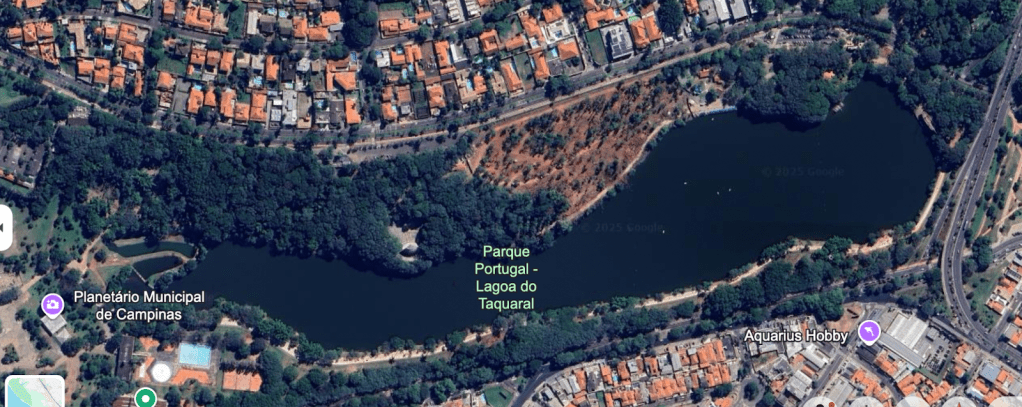
Located in the Taquaral neighborhood, in the eastern region of Campinas, Parque Portugal, mainly known as Lagoa do Taquaral, is one of the city’s most symbolic public spaces. A symbol of Campinas’ transition from an agrarian past to a modern metropolis, the park joins together aspects such as leisure, culture, sports, and nature, attracting thousands of visitors every day.
The location of the Lagoa do Taquaral is part of the Atlantic Forest biome, specifically the Semi-deciduous Seasonal Forest. Although the park has altered the original vegetation, it acts as an important conservation fragment within the urban area, contributing to climate regulation and improved air quality in the surrounding area. The lagoon and the riparian forests that surround it form an artificial, yet functional, ecosystem that attracts diverse species of fauna.
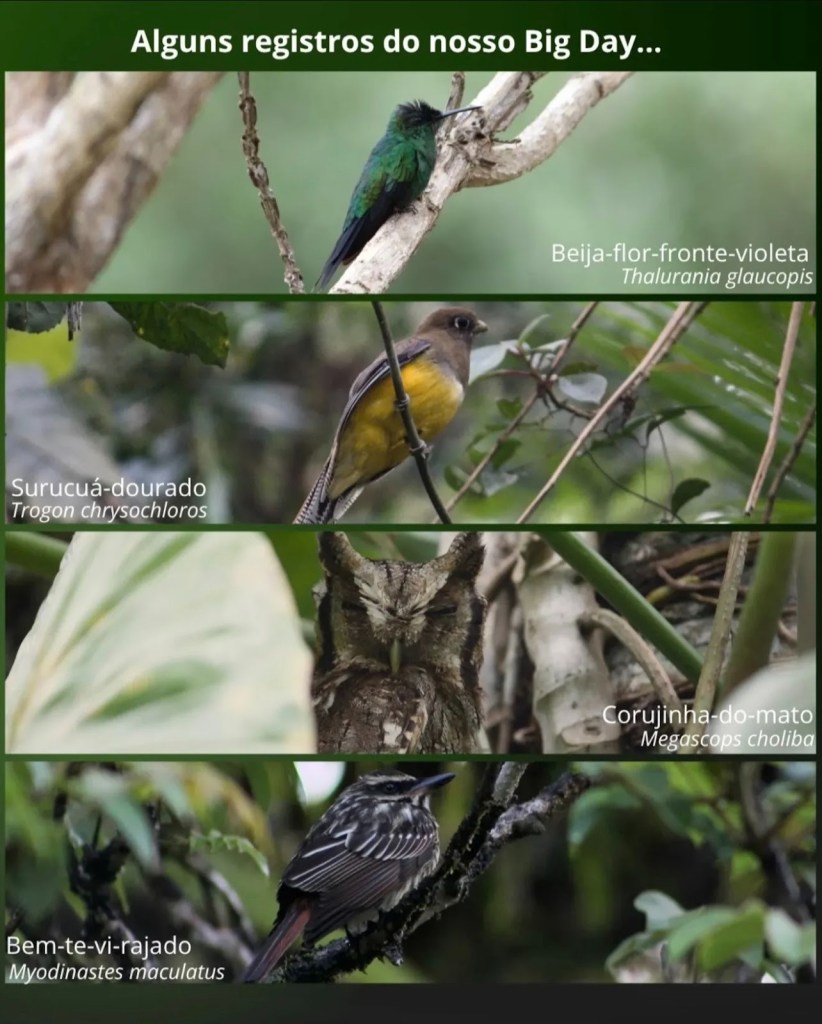
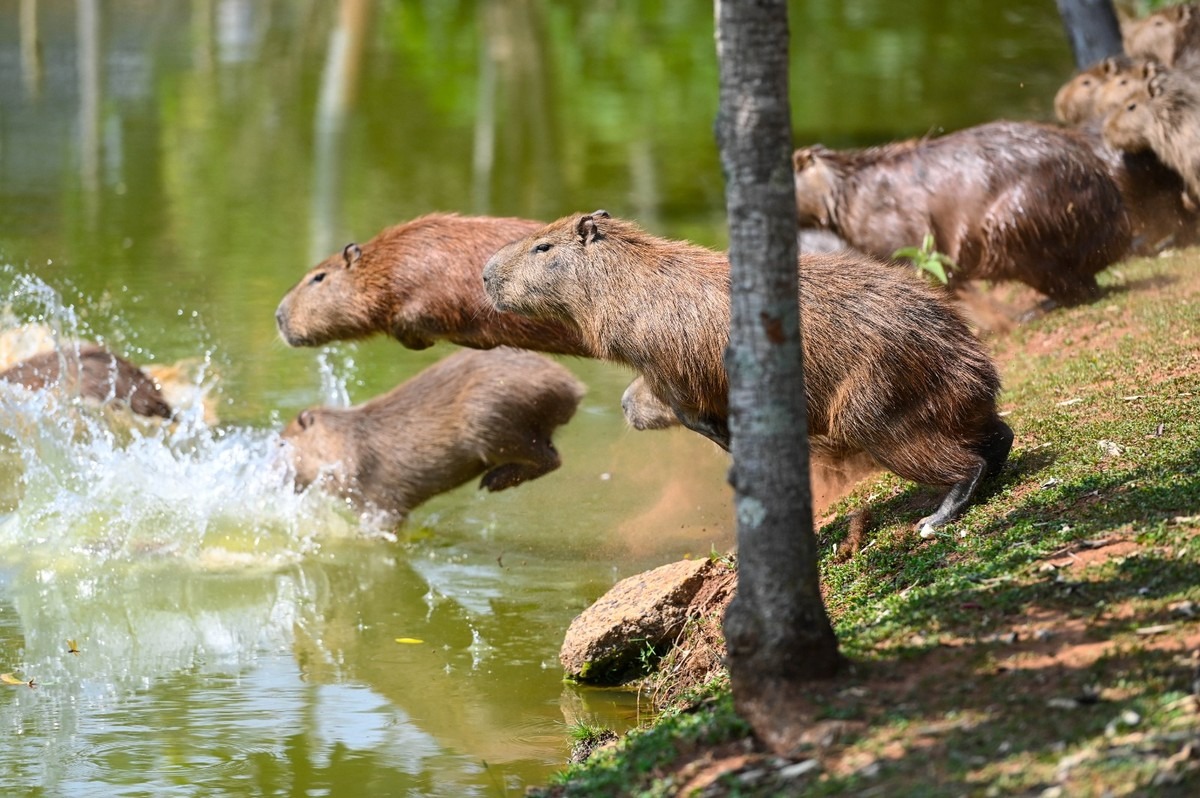
The park’s biodiversity is one of its greatest attractions. It is a habitat for birds, such as thrushes, great kiskadees, and hummingbirds (among others), as well as mammals like capybaras, which inhabit the shores of the lagoon and are one of the main animals that catches the attention of the public. The presence of capybaras, in particular, also has been the subject of management and fencing campaigns to prevent uncontrolled movement and public health issues, such as spotted fever. The Campinas City Hall has implemented reforestation projects with native species, aiming to restore the ecological balance and resilience of the area.
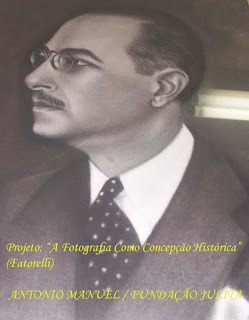
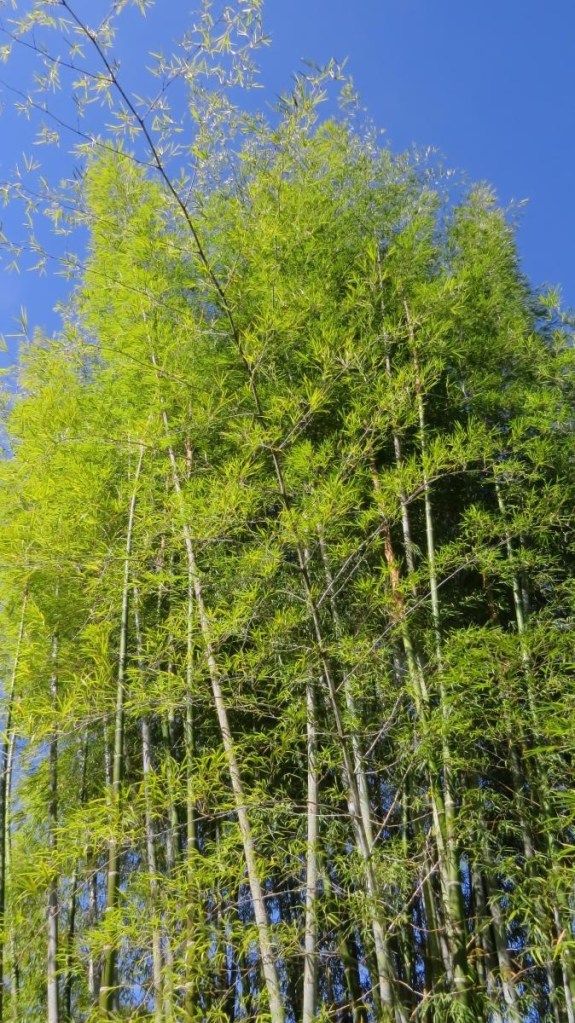
The area, which is now the site of the park, was once part of the old Taquaral Farm, owned by Joaquim Bento Alves de Lima, an important coffee grower from Campinas. In the 18th century, the farm produced sugarcane and, later, coffee, which was a major economic driver of the region. The name “Taquaral” comes from “taquara” in the Tupi language, which means bamboo in Portuguese. This plant grew abundantly around the lagoon.
In 1946, the Alves de Lima family donated the land to the City Hall of Campinas, on the condition that it be transformed into a public space. In 1950, the area was officially named Parque Portugal, in homage to the local Portuguese community. However, the project only came to fruition in 1969, when the architect Roberto Coelho Cardozo was commissioned to plan the urbanization. The park was then inaugurated on November 5, 1972, and since then it has become a true heritage of the city.
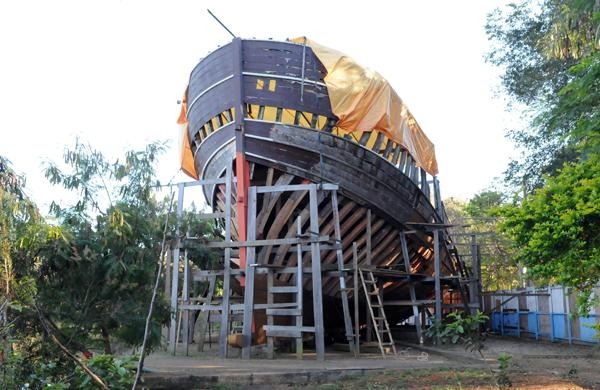
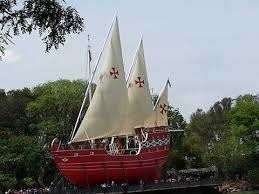
Among the many attractions, there is the Caravela Anunciação, first built in 1971 and opened officially to the public in 1972. Using real documents and blueprints of the original caravel used by Pedro Alvarez Cabral, sent by the National Maritime Museum of Rio de Janeiro, the Campinas replica is 28.30 meters long and 38 meters high, weighing between 80 and 100 tons and with 5 floors. After sinking in 2008 due to lack of maintenance, the Caravel was rebuilt in 2014 and to this day remains on the shore of the lagoon, now held by a metal structure instead of being anchored.
The park also contains several sporting attractions, including the José Roberto Xidieh Piantoni Sports Museum, with over 240 items (medals and trophies), the Taquaral Gymnasium, which has hosted professional volleyball matches and currently hosts games of the Vôlei Renata men’s volleyball team, and various sports areas with courts for different sports to practice and have fun with family and friends.
Tragedy on the Taquaral
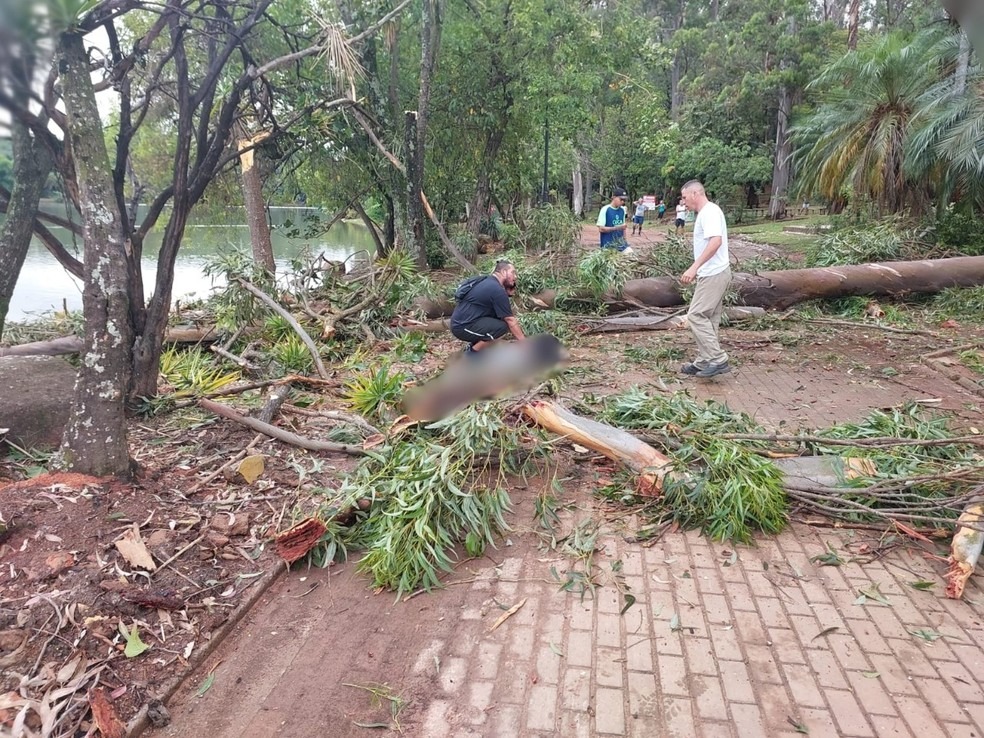
On January 2023, the park was the stage of a tragedy that deeply affected the city. After a heavy rain, a large eucalyptus tree fell, hitting and killing a 7-year-old child, Isabela Tiburcio Fermino, who was on a walk with her family. The incident shocked the population and raised urgent questions about the safety and management of urban trees in Campinas (planning and maintenance of trees in urban areas). In response, all parks and woods in the city were closed indefinitely for evaluation and determinations regarding their safety.
The tragedy served as a painful warning about the fragility of when urban biodiversity is neglected. Subsequent inspections revealed the need to remove hundreds of trees considered compromised and at risk of falling, which, while necessary for safety, represented a significant loss to the city’s green heritage. Campinas’ environmental management came into focus, and the Public Prosecutor’s Office requested a more robust management plan for the Taquaral Park, aiming at the safe maintenance of the area.
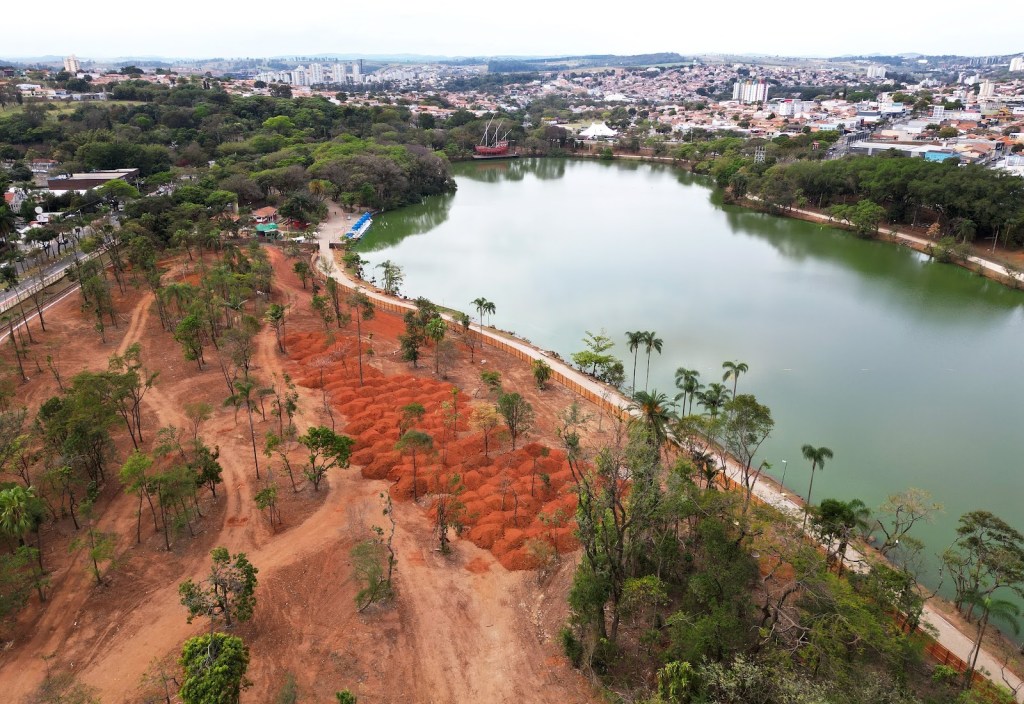
The incident had a direct impact on the perception and biodiversity of the park. The massive removal of trees, especially exotic species such as the eucalyptus, created a void that, in the short term, affected the landscape and habitat of various species and the city that once held the spot for most trees, suddenly fell short on them. The reassessment of urban tree cover in Campinas showed the need for a more careful management plan, focused on native species and the overall health of the trees.
Before the tragedy, Campinas was frequently cited for its remarkable tree cover, occupying prominent positions in national rankings. However, the incident revealed that the quantity of trees did not necessarily reflect the quality and safety of the urban forestry. The loss of trees and the exposure of management failures jeopardized the city’s reputation, leading to a new and more rigorous look at how urban green spaces should be treated. The need to reverse the situation, promoting the replanting of native species and implementing more effective environmental management, became a priority.
Reforestation and Risks
The City Hall of Campinas, through the Municipal Secretariat of Green Areas, Environment and Sustainable Development (SVDS), implemented a comprehensive reforestation plan after the 2023 tragedy. In January 2024, the planting of 510 adult trees of native species began to replace the 181 trees, mainly eucalyptus, that were removed for safety reasons. There is collaboration with research institutions such as Unicamp and Embrapa for monitoring the flora and fauna and developing a master plan for the recovery of the area.
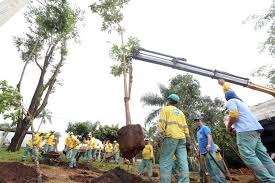
The park is also part of a project to expand urban micro forests in the city, using methods that promote rapid regeneration and restore local biodiversity, which was lost after the deforestation caused by the Taquaral tragedy.
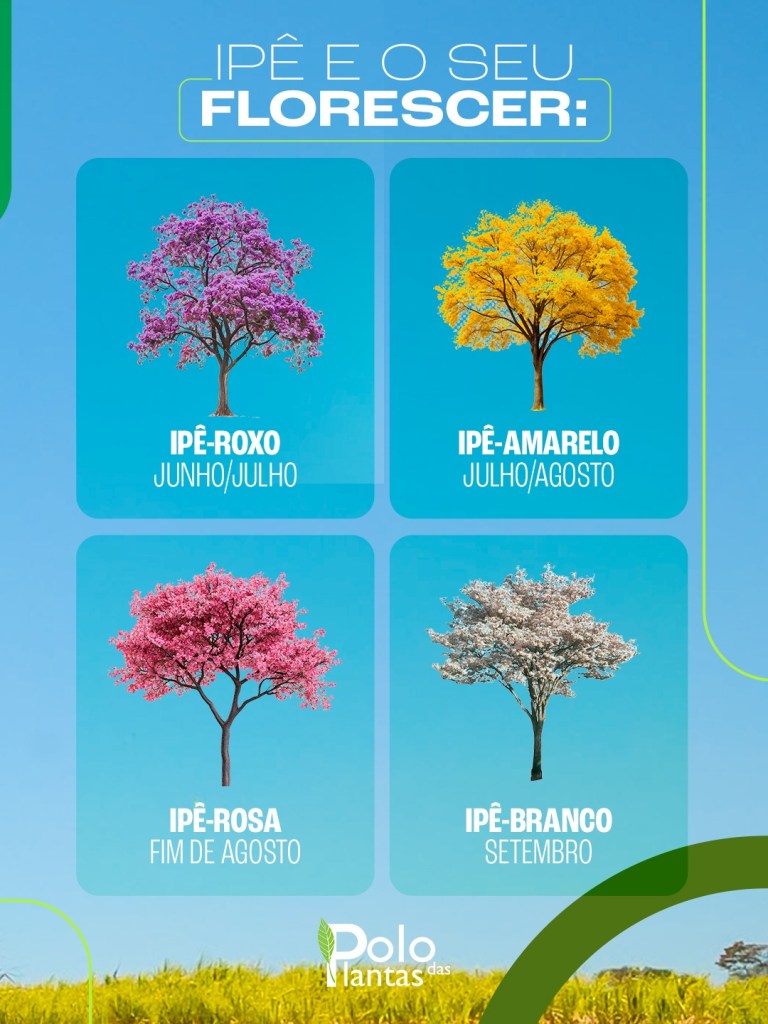
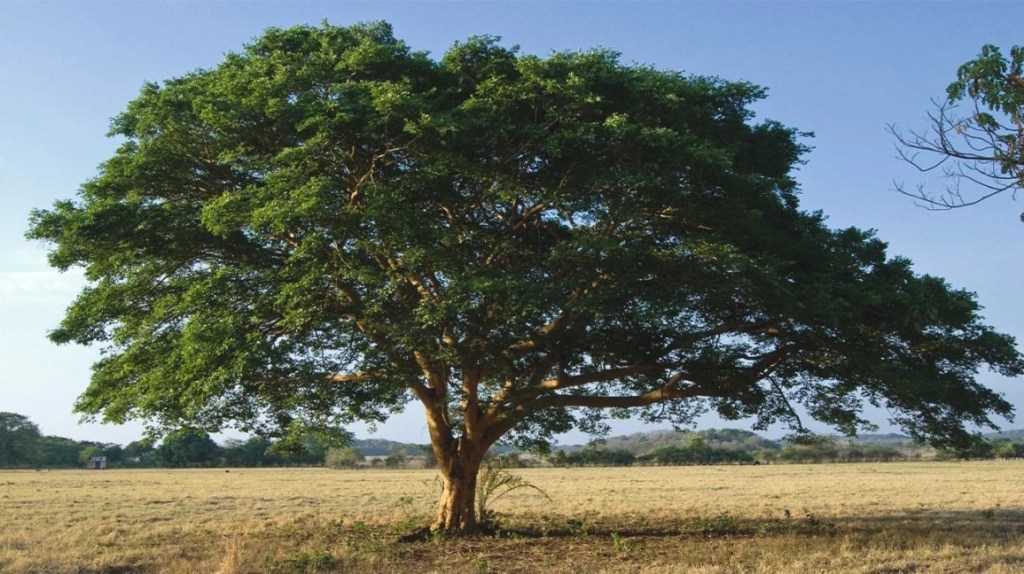
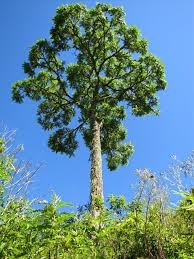
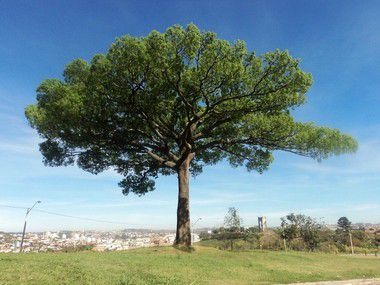
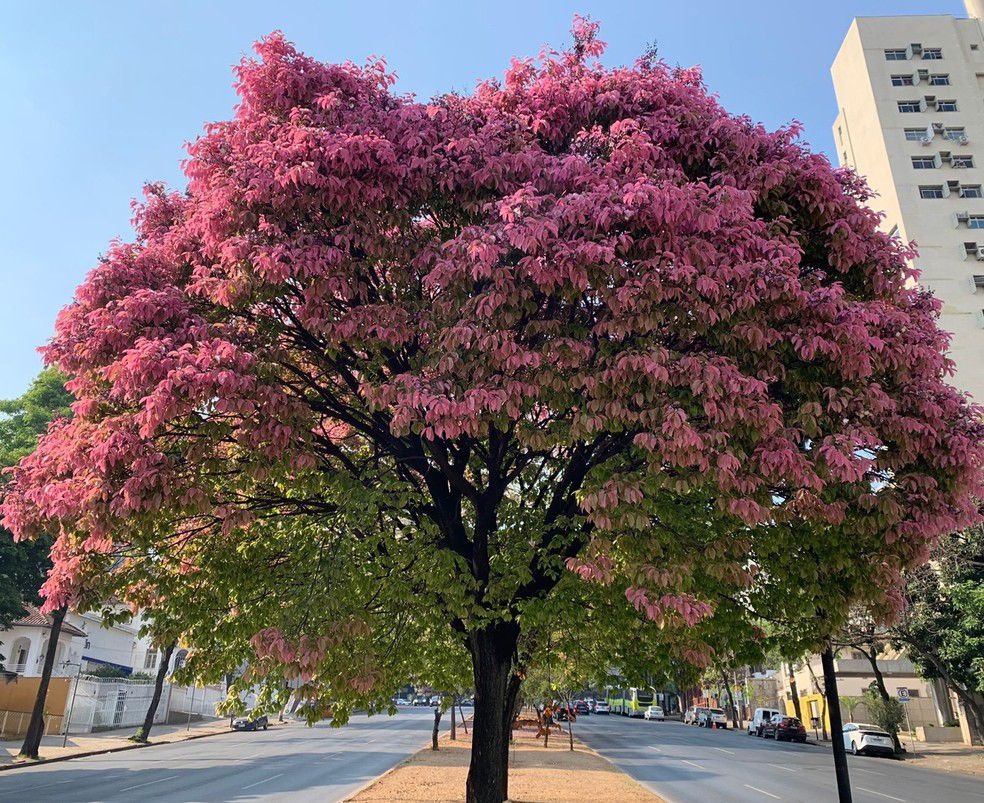
In turn, after the tragedy, a detailed mapping and risk analysis was carried out on all the park’s trees, resulting in authorization for the removal of hundreds of trees considered unstable to ensure the safety of visitors. The research revealed that most of the trees identified as being at greatest risk of falling were, for the most part, large eucalyptus trees (an exotic species that was common in the park) that presented structural problems, such as compromised root systems, inclination, or phytosanitary diseases (fungi and rot). The management plan foresees the replacement of these trees with native species of the Atlantic Forest that are more suitable to the local ecosystem and safer in the long term. Some native species indicated for planting include:
Nowadays
Currently one of the city’s largest meeting points, the Taquaral Park receives over 50,000 visitors weekly, especially during the summer season, where families and friends can have fun in various ways, whether it’s playing sports, attending cultural events, having picnics, or simply enjoying the sunset view by the lake.
The entry to the park is free, and it is open daily from 5 am to 10 pm. Inside, there is accessibility on sidewalks and in restrooms, free parking, and easy access via public transportation. Among the modern highlights are the “Dancing Waters” Sound Fountain, which presents light and water shows on weekends, and the Dog Park, a 3,000 m² fenced area where dogs can play freely, perfect for enjoying the weekends.
More than just a spot to relax, Parque Portugal is a reflection of Campinas’ identity, a blend of tradition, modernity, and nature. With its rich cultural program, historical importance, and natural beauty, Taquaral remains the green heart of Campinas, a space where past and present meet and where every visitor can have fun and be a part of its history.
 EAC PRESS