Impact of Social Media
By Yoogeon Choi
Social media gives a person the ability to view the news electronically. So sites like Instagram, YouTube, and TikTok have the ability to connect a person to the most up to date news from almost every sector. These sites have also changed instant globalization. For the younger generation, a more traditional form, “Newspapers,” has taken the place of Twitter’s feeds, and news is transmitted almost instantaneously to phones. From Pew Research Center reports, these days, more than 97% of the young generation prefer to get information from at least one of seven major online platforms.
From what I have gathered from the statistics I have contacted, the majority of people who had taken a liking to Instagram and YouTube more than traditional forms of news, with minimal interaction. The people did appear to have an interest in physical documents like newspapers and television. The main yet unspoken reason is the efficiency if we just have one electronic device they can just search up in free apps such as Instagram and YouTube and just type “News today,” but for physical newspapers it takes time to get it and sometimes its not free, also its hard to carry, on the other hand technology device is too easy to carry, and we can read whenever we want to.
The impact is not only felt by students. Older people, who once relied mainly on television or print news, are also exposed to social media stories that can be misleading. Social media shows that fake news spreads faster on social platforms than fact checked reports. A recent example can be seen in how breaking news events are reported, while social media delivers updates instantly, major news outlets often wait until details are verified. This difference shows the trade off between speed and accuracy, social media can bring very fast transmission power, but also can bring low accuracy and fake news because everyone can access the internet. But a physical newspapers are written by professionals so it wont have any problems in accuracy, but it will take much more time.
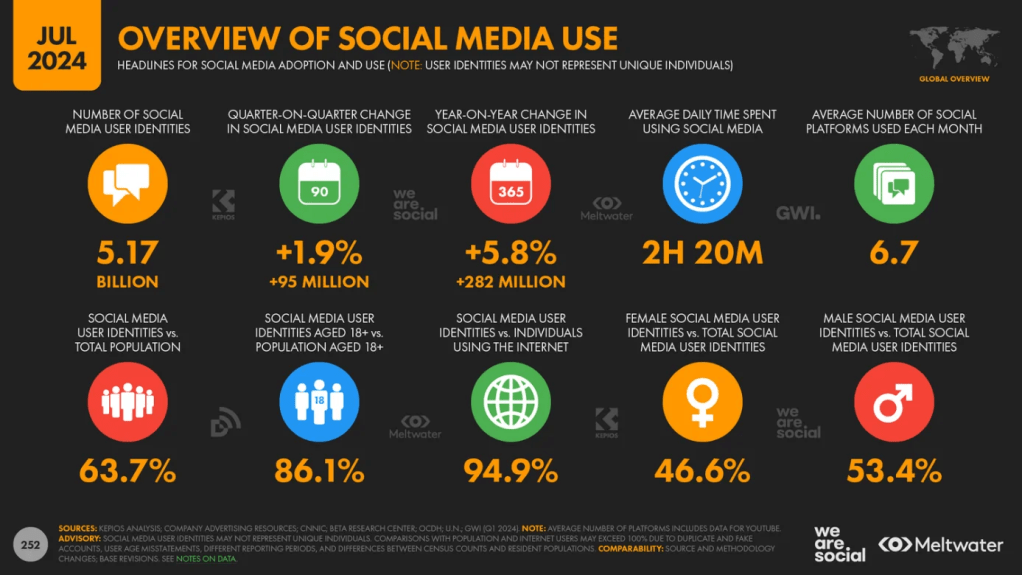
Beyond news consumption, social media affects many other areas of life. It helps people stay connected with friends and family across distances and provides communities where people with shared interests can meet. It also creates opportunities for creativity, self expression, and even business growth. Various companies use Instagram, Facebook, and TikTok to market directly to audiences at little cost, while individuals can build personal brands and careers through online content creation. These days, almost every company uses Instagram and TikTok to increase more people to know their company, because companies also know that the generation has changed and people prefer social media, so companies work harder on social media.
Social media also influences public opinion and politics. It amplifies the voices of advocacy groups, spreads awareness of global issues, and helps organize social movements. At the same time, it can polarize communities by spreading misinformation, rumors, and propaganda. The same tools that allow communities to connect can also be misused to manipulate people.
The impacts of social media are therefore both positive and negative. It connects people, supports learning, and offers career opportunities, but it also spreads false information and raises serious concerns over mental health and privacy. What is clear is that social media is not going away. To use it responsibly, people must learn to question sources, compare stories across platforms, and balance convenience with accuracy. In the end, the responsibility lies with users to decide how wisely they engage with the platforms that shape so much of modern life.
Bibliography
https://www.simplilearn.com/real-impact-social-media-article
https://www.apa.org/members/content/social-media-research
https://www.adcouncil.org/all-articles/social-medias-impact-on-society
 EAC PRESS