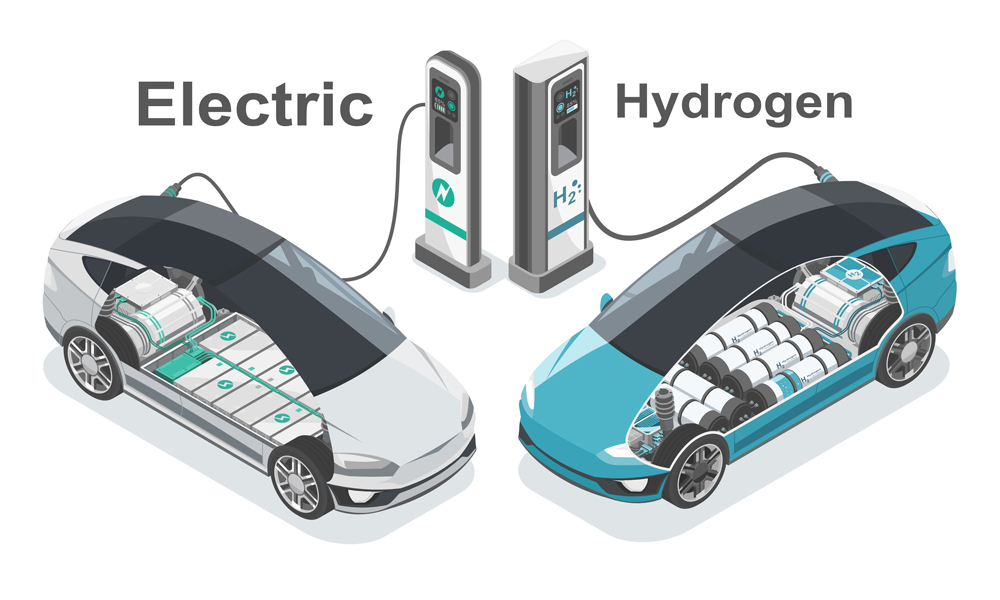
The automotive industry has undergone a radical transformation over the past century, evolving from simple mechanical machines to highly sophisticated, technology-driven marvels. Advances in science and engineering have been the cornerstone of this revolution, enabling groundbreaking innovations that enhance performance, safety, sustainability, and convenience. From the invention of the internal combustion engine to the rise of autonomous vehicles, scientific research has continuously pushed the boundaries of what automobiles can achieve. In today’s world, scientific innovation is more critical than ever in shaping the future of transportation. Modern vehicles are no longer just about getting from point A to point B—they incorporate cutting-edge technologies such as artificial intelligence, advanced materials, and renewable energy systems to create smarter, cleaner, and more efficient modes of transport. The integration of these innovations has led to the development of autonomous cars, which use sensors and machine learning to navigate without human intervention; electric vehicles (EVs), which eliminate tailpipe emissions and reduce dependence on fossil fuels; and hydrogen-powered cars, which promise zero-emission mobility with rapid refueling capability.
Each of these advancements plays a crucial role in addressing global challenges such as climate change, urban congestion, and energy sustainability. Autonomous vehicles aim to reduce accidents caused by human error, electric cars cut down greenhouse gas emissions, and hydrogen technology offers a potential solution for long-range, eco-friendly transportation. As science continues to break new ground, the automotive industry stands at the forefront of a cleaner, safer, and more connected future. This article explores how scientific progress drives these innovations and reshapes the way we move and, ultimately, how we live.
Automatic Cars (Self-Driving/Autonomous Vehicles)
Autonomous vehicles, also known as self-driving cars, are vehicles equipped with artificial intelligence (AI), advanced sensors, and specialized software that enable them to navigate without human intervention. These cars rely on complex algorithms to interpret data from their surroundings, allowing them to steer, accelerate, and brake autonomously. The Society of Automotive Engineers (SAE) defines six levels of autonomy, ranging from Level 0 (no automation) to Level 5 (full automation). Currently, most commercially available autonomous cars operate at Level 2 or 3, offering partial automation where human oversight is still required. However, companies are rapidly advancing toward higher levels of autonomy, where vehicles will eventually operate independently in all conditions.
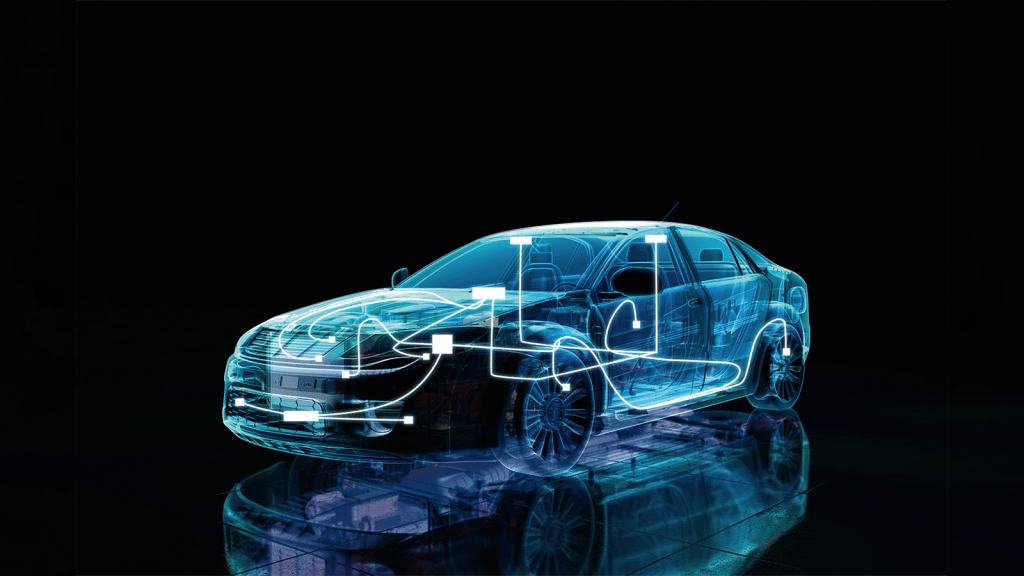
The technology behind self-driving cars is built on several key components. Artificial intelligence and machine learning form the core decision-making system, enabling the vehicle to process vast amounts of data and make real-time driving decisions. Sensors such as LiDAR (Light Detection and Ranging), cameras, radar, and ultrasonic sensors work together to detect obstacles, pedestrians, and road conditions. Computer vision allows the car to interpret visual data, recognizing traffic signs, lane markings, and other vehicles. Additionally, Vehicle-to-Everything (V2X) communication ensures that autonomous cars can interact with traffic signals, other vehicles, and smart infrastructure, enhancing safety and coordination on the road.

Despite significant advancements, self-driving cars have experienced both successes and failures. On the positive side, autonomous technology has improved road safety by reducing human error—Tesla’s Autopilot and Waymo’s self-driving systems have demonstrated fewer accidents compared to human drivers in certain conditions. Autonomous vehicles also enhance traffic efficiency, reducing congestion through optimized route planning. Companies like Cruise and Uber ATG have successfully deployed self-driving ride-sharing and delivery services in select cities. However, high-profile accidents, such as Tesla’s Autopilot-related crashes and Uber’s fatal self-driving incident, have raised concerns about reliability. Regulatory hurdles, ethical dilemmas (such as decision-making in unavoidable accidents), and the high costs of development remain major challenges for widespread adoption.
Looking ahead, the future of autonomous vehicles is promising but requires careful development. Fully autonomous (Level 5) cars are expected to become mainstream, eliminating the need for human drivers entirely. Integration with smart city infrastructure will enable seamless communication between vehicles and traffic systems, further improving efficiency and safety. However, establishing robust legal and ethical frameworks will be crucial to address liability issues and public trust. As technology evolves, self-driving cars could revolutionize transportation, reducing accidents, lowering emissions, and transforming urban mobility—but only if technological, regulatory, and societal challenges are effectively managed.
Electric Cars (EVs)
Electric vehicles (EVs) are automobiles powered by rechargeable batteries instead of traditional internal combustion engines (ICE), offering a cleaner and more efficient mode of transportation. Unlike conventional cars that rely on gasoline or diesel, EVs use electricity stored in high-capacity battery packs to drive electric motors, producing zero tailpipe emissions. Popular examples include the Tesla Model 3, Nissan Leaf, and Rivian trucks, which have gained widespread recognition for their performance and sustainability. EVs come in various forms, including battery electric vehicles (BEVs), which run solely on electricity, and plug-in hybrid electric vehicles (PHEVs), which combine battery power with a backup gasoline engine. As technology advances, EVs are becoming more accessible, with improvements in range, charging speed, and affordability driving their adoption worldwide.
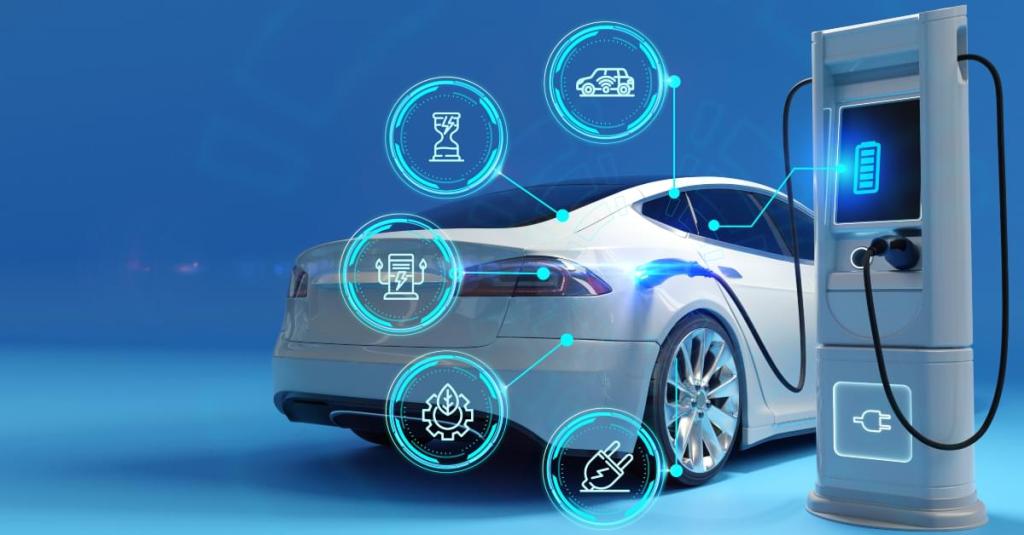
The core technology behind EVs revolves around advanced battery systems, electric motors, and energy management. Lithium-ion (Li-ion) batteries are the most common due to their high energy density and relatively fast charging capabilities, though solid-state batteries are emerging as a promising alternative with even greater efficiency and safety. Electric motors convert stored energy into motion with minimal energy loss, while regenerative braking captures kinetic energy during deceleration, recharging the battery and extending range. Charging infrastructure is also critical, with networks like Tesla’s Superchargers and CCS (Combined Charging System) enabling fast charging, reducing downtime for drivers. These technological advancements are key to making EVs more practical for everyday use and long-distance travel.
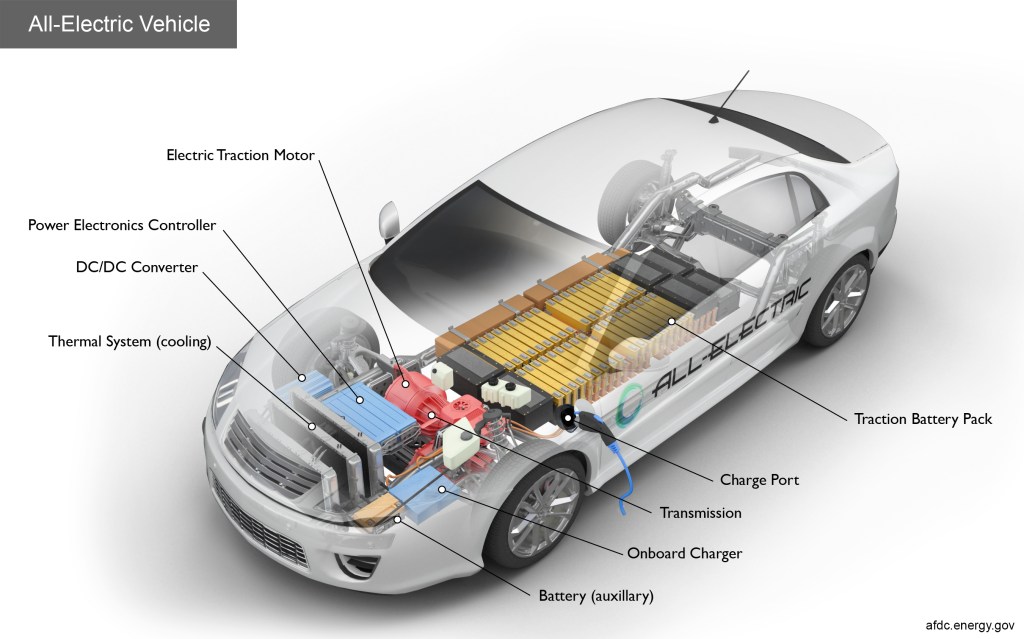
The rise of EVs has brought significant successes but also notable challenges. On the positive side, EVs drastically reduce greenhouse gas emissions, especially when charged with renewable energy, helping combat climate change. They also offer lower operating costs since electricity is cheaper than gasoline, and their simpler mechanics mean fewer maintenance requirements. The market has seen explosive growth, with Tesla leading the charge and traditional automakers like Ford and GM investing heavily in electric models. However, challenges remain, including limited driving range compared to ICE vehicles, “charging anxiety” due to insufficient infrastructure in some areas, and long charging times. Additionally, battery degradation over time and the environmental impact of mining rare minerals like lithium and cobalt pose sustainability concerns that need addressing.
Looking ahead, the future of EVs is bright, with several innovations poised to overcome current limitations. Solid-state batteries could revolutionize the industry by offering higher energy density, faster charging, and improved safety. Wireless charging technology and ultra-fast charging stations may soon make refueling as convenient as filling up a gas tank. Furthermore, integrating EVs with smart grids and renewable energy sources, such as solar and wind power, could create a fully sustainable transportation ecosystem. Governments and automakers are also working to improve battery recycling processes and reduce reliance on scarce materials. As these advancements unfold, EVs are expected to dominate the automotive market, paving the way for a cleaner, more efficient, and environmentally friendly future in transportation.
Hydrogen Cars (Fuel Cell Vehicles – FCVs)
Hydrogen cars, or fuel cell vehicles (FCVs), represent an innovative approach to zero-emission transportation by using hydrogen gas to generate electricity through an electrochemical process. Unlike battery electric vehicles (EVs), which store energy in lithium-ion batteries, FCVs produce their own electricity onboard using hydrogen fuel cells, emitting only water vapor as a byproduct. Prominent examples include the Toyota Mirai and Hyundai Nexo, which showcase the potential of hydrogen-powered mobility. These vehicles combine the environmental benefits of EVs with the convenience of quick refueling, offering an appealing alternative for drivers seeking sustainable transportation without long charging times. However, widespread adoption faces challenges due to limited infrastructure and high costs compared to conventional EVs.
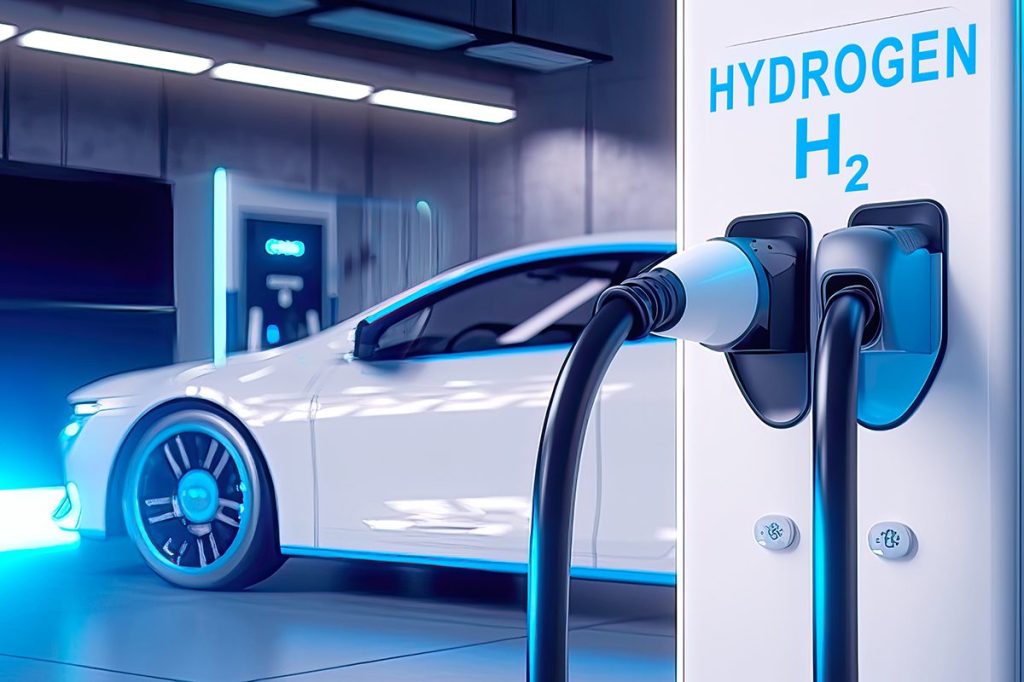
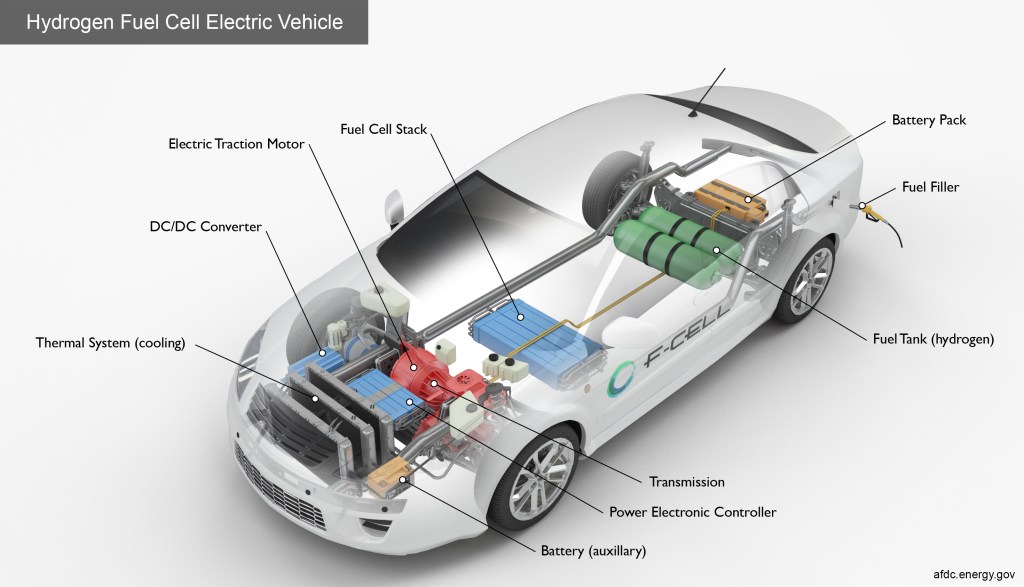
The technology behind hydrogen cars centers on three key components: the fuel cell stack, hydrogen storage system, and refueling infrastructure. The fuel cell stack, typically using proton exchange membrane (PEM) technology, converts hydrogen and oxygen into electricity through an electrochemical reaction, powering the vehicle’s electric motor. Hydrogen is stored in high-pressure tanks designed for safety and efficiency, though this requires advanced engineering to prevent leaks and ensure durability. Unlike EVs, which rely on charging stations, FCVs depend on hydrogen refueling stations, which are currently sparse but capable of refilling a tank in just 3-5 minutes—comparable to gasoline cars. Despite these advantages, hydrogen production and distribution remain energy-intensive, limiting the overall efficiency of FCVs compared to battery-powered alternatives.
Hydrogen cars have demonstrated notable successes but also face significant hurdles. On the positive side, they offer true zero-emission driving, with water vapor as the only exhaust, making them an environmentally friendly option. Their rapid refueling time eliminates the “range anxiety” associated with EVs, providing a familiar experience for drivers accustomed to gasoline vehicles. Additionally, the rise of “green hydrogen,” produced using renewable energy, could further enhance their sustainability. However, challenges persist, including a severe lack of refueling stations, high costs for hydrogen production and storage, and energy losses during the electrolysis process used to extract hydrogen. These factors have slowed market penetration, leaving FCVs trailing behind EVs in consumer adoption and industry support.
Looking ahead, the future of hydrogen cars hinges on technological advancements and infrastructure development. Expanding green hydrogen production—powered by wind, solar, or hydropower—could make FCVs a more viable and sustainable option. Governments worldwide are beginning to invest in hydrogen refueling networks, with countries like Japan, Germany, and South Korea leading the charge through subsidies and policy incentives. Beyond passenger cars, hydrogen fuel cells hold promise for heavy-duty transportation, including trucks, ships, and even airplanes, where battery weight and charging times are impractical. If these efforts succeed, hydrogen cars could play a crucial role in a diversified clean-energy future, complementing battery EVs and reducing reliance on fossil fuels across multiple industries.
In conclusion, automatic, electric, and hydrogen cars each represent distinct approaches to sustainable transportation, with key differences in energy sources, emissions, and infrastructure requirements. Automatic vehicles rely on AI and software, with emissions varying based on their powertrain, while EVs use battery technology to achieve zero emissions but depend on widespread charging networks. Hydrogen cars, powered by fuel cells, produce only water vapor as exhaust but face challenges in refueling infrastructure. In the short term, EVs are likely to dominate due to their established charging networks and rapid technological advancements. However, hydrogen fuel cells may prove vital for heavy-duty transport, and autonomous vehicles could revolutionize urban mobility in the long run. Ultimately, achieving a sustainable future will require continuous innovation, along with strong collaboration between governments, scientists, and manufacturers to overcome existing limitations and accelerate the adoption of clean transportation solutions.
 EAC PRESS
From this article, I learned more about car of hydrogen, automatic and electric. This article contains various pictures, to understand better. Also it has various name of the material in car such as thermal system and fuel filter to learn more specific about car. This article will be helpful for people who have interest in car and automotive technology.
LikeLike