by Beatriz Maziero
Liberdade — or Freedom — means having the power to speak, think, or act freely. In this article, we’ll dive deep into the history of the Bairro da Liberdade, a vibrant neighborhood in São Paulo known for being the heart of the city’s Japanese community. Located in the central region, it offers a unique blend of cultural influences with traditional Japanese shops, restaurants, and cultural centers. The area is especially lively during events such as the Japanese New Year celebrations and the Tanabata Festival, where locals celebrate Japanese traditions through food, music, and performances. Liberdade is a fascinating place where visitors can experience and engage in the rich heritage of Japan while enjoying the dynamic urban energy of São Paulo. Apart from the vibrant culture, different foods, and various shops, Liberdade has a complex history that many might not know about.
In the beginning, São Paulo was a sacred place for Indigenous groups, they would live particularly in the area of the Bairro da Liberdade before being displaced by Portuguese colonizers and urban expansions. With the arrival of Jesuit missionaries who hoped to catechize the indigenous, also came the colonizers, who would eventually displace the Indigenous communities and push them to the fringes of the colonial society, leaving them without access to their traditional territories, resources, and ways of life. Those indigenous people who remained, however, would become enslaved and forced to work for the Portuguese colonizers in sugar plantations, mines, and other colonial industries. They were placed under harsh conditions and would often die from the suffering they had to go through. Due to violence and diseases, Indigenous populations would eventually decline dramatically, causing an increase in labor demand within the Portuguese colonization. Therefore, the Portuguese started to import enslaved Africans to work for them. It wasn’t the Jesuits’ plan to enslave the Indigenous and African peoples, but with the arrival of the Portuguese colonizers, this event, unfortunately, took place. Once the African slaves were brought to the city, they were forced into laboring all day, receiving a small amount of pay, and living in harsh conditions where they would often get sick and some would even pass away. The Portuguese colonizers would try to keep the enslaved people alive as they were their primary source of income; however, this was hard as they were neglectful towards the slaves who would often be left to work with no rest. In the 19th century, the Bairro da Liberdade region was known as the “Bairro da Pólvora”, which is gunpowder. It was named this way specifically because of the “Largo da pólvora”, or gunpowder square, which is an important landmark in Liberdade, known for its historical significance, being used as a storage for gunpowder, which immensely helped the Portuguese colonizers and military defend themselves during Brazil’s colonization period. Nowadays, the gunpowder house is a tourist attraction and is well-known for its cultural value in Brazil.
Another building that is a very important part of Brazilian history is the Capela dos Aflitos in São Paulo. Named after Nossa Senhora dos Aflitos, the chapel of the afflicted, as it is called in English, is a historical landmark that remembers the deaths of all the enslaved people from the 19th century. Once, in the Portuguese colonial period, a man by the name of Fransisco José das Chagas, or Chaguinha, as he used to be called, was sentenced to be hung. His hanging was attempted once but the rope tore, when he would be hung for the second time, the rope would tear once again. People believed this was a miracle and begged for the man’s life to be spared, but unfortunately, in the third attempt, he would be killed. He is now buried in the chapel of the afflicted, where citizens go to pray and confess their sins.
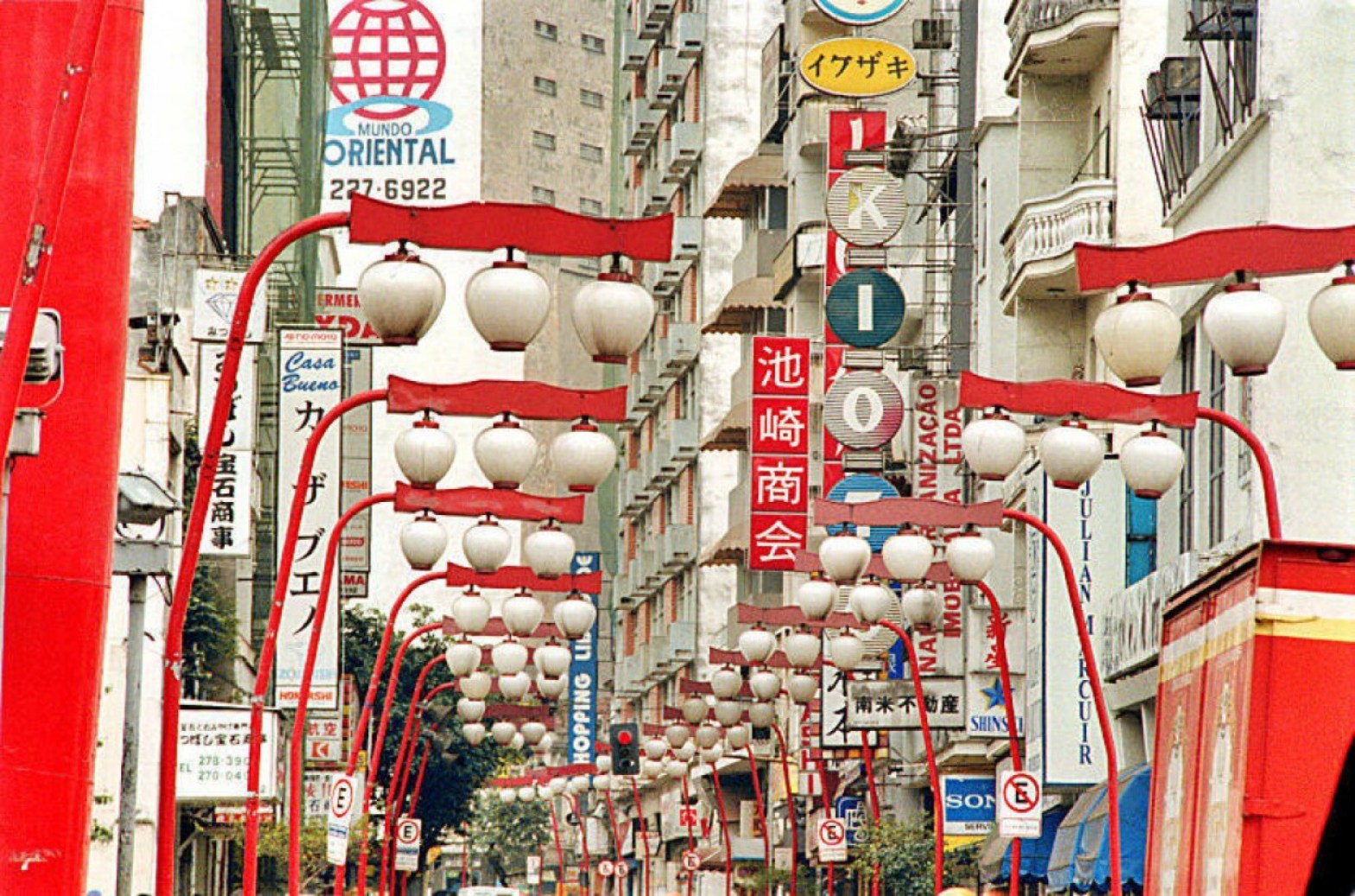
Moving forward to more recent times, the Bairro da Liberdade is known primarily for its Japanese culture, which, nevertheless, is also a part of São Paulo’s large history. Once the Portuguese and Italian immigrants arrived in Brazil, Japanese immigrants also came hoping to escape from the lack of food and tremendous suffering they had been dealing with for decades. The first steamship to bring Japanese people to Brazil was the Kasato-Maru in 1908, where the people were taken to São Paulo to work in coffee plantations. In Brazil, they would stay in boarding houses provided to keep them healthy and secure. Japan was hugely affected by WWII, because of the destruction of their navy, air force and cities as well as the decline in governmental respect. As a result the Japanese immigrants influx would increase even more to Brazil. These events also led to the implementation of various Japanese services that were created to make the Japanese feel more welcome. As a result of this, Japanese schools, hotels, and even newspapers were made. The lively neighborhood of Liberdade started to gain popularity in the 1970s when the streets would be decorated with traditional oriental lanterns. Once other Asian cultures such as the Chinese and Korean cultures started to emerge more within the neighborhood, Liberdade was now known as the “Oriental neighborhood” a label some still find problematic since Japanese, Koreans, and Chinese are culturally distinct.
Various events take place in Liberdade throughout the year, such as the Chinese New Year in February and the Tanabata Matsuri, a festival of the stars, in July.
Various places in São Paulo are ideal for a visit, especially if you haven’t been there yet. There are many tourist places apart from Liberdade, such as the Ibirapuera Park and the Museum of Art of São Paulo Assis Chateaubriand (MASP), one of São Paulo’s most famous locations, is known for its beautiful showcase of arts, which contains both modern art styles and ancient architecture. In addition, there are various other museums and restaurants to visit in Liberdade, such as the Mugui restaurant. Mugui is a Japanese restaurant in Liberdade that offers a variety of noodles, soups, and other traditional Japanese dishes. Other restaurants include Restaurant Porque Sim, a Japanese restaurant that serves dishes such as ramen and curry. In addition, this restaurant also offers private karaoke rooms for you to enjoy with friends and family. Lastly, Liberdade also has another very famous museum, the Museu Histórico da Imigração Japonesa no Brasil, which not only tells the story of the first Japanese immigrants that came to Brazil but also remembers the immigrants that arrived. The museum showcases traditional Japanese clothes, cultures and most importantly, the first ship to bring them to Brazil in 1908.
To conclude, the history of Bairro da Liberdade is much more complex than one would imagine, its a place where cultures come together as one and create beautiful representations of what international relations look like. Also, a fun fact about Brazil that not many people know is that Brazil has the largest Japanese population as a country outside of Japan worldwide. This only proves how much Japanese influence has reached Brazil and how many different cultures are present in this country nowadays. This symbolizes the strong ties between Brazil and Japan, highlighting their history together and how their cultures bond to create something bigger. It also demonstrates that despite being very far apart from each other, both countries managed to set all differences aside and work together for all these years.
 EAC PRESS