By Tomás Lima
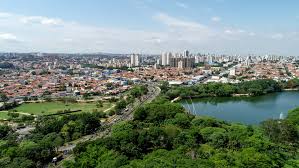
With a recent surge in climate concerns, following crises such as the California wildfires, the Rio Grande do Sul floods, and the rapidly intensifying global warming, many begin to wonder: What might our city of Campinas be doing to prevent climatic disasters? How is the city working to fight environmental destruction? Being a city with more than 2,100 acres of Atlantic forest, generally moderate air quality, and a leader in sewage and water treatment, it is imperative that the city work to preserve the current progress and work to create a better environment and, consequently, future for the ever growing population.
Firstly, it is important to address what the government is doing to try and protect the environment. The various projects established by the city hall attempt to establish all-around solutions to varied problems. Some of the main projects include: Local Climate Action Plan (Plano Local de Ação Climática, PLAC); Municipal Plan for Environmental Education (Plano Municipal de Educação Ambiental, PMEA); and Municipal Green Plan (Plano Municipal do Verde, PMV). Along with governmental projects, there are also non-governmental initiatives, such as Projeto Genesis, which work to protect the environment within city limits.
PLAC

The main focus of the Local Climate Action Plan is to reduce carbon emissions and protect the city from the dangers of climate change. As listed by the city hall itself, the objectives of the plan include: Guarantee that urban services (i.e. transportation, garbage collection, etc.) be resilient, low carbon, efficient, and accessible to all; Protect communities, the natural environment and build against climate risks; Foster sustainable, low carbon emission development and reduce greenhouse gas emissions in the city. While being only a few of the items outlined by the government (See full document here, in Portuguese) the project is a step in the right direction, particularly in regards to developing sustainable infrastructure within the city. The plan was implemented into legislation last year, in 2024, and it proposes expectations and goals meant to be achieved until 2050. In spite of this, it is important to be skeptical and observant throughout the entire duration of the project, and the population should be vocal if they believe no change is being brought.
PMEA
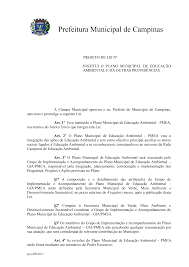
The Municipal Plan for Environmental Education (PMEA) emphasizes a holistic, interconnected understanding of the environment across all educational levels, formal and informal. The plan aims to foster environmental awareness, critical thinking, and active participation in preserving ecological balance as a core aspect of citizenship. It prioritizes collaborative efforts within and beyond the municipality, integration of science and technology, and the promotion of social justice, peace, and animal welfare. By considering ecological, political, social, economic, cultural, and ethical factors, the PMEA seeks to empower citizens with a comprehensive understanding of environmental issues and the skills to contribute to a sustainable and equitable future. Unlike the previous plan, this one was implemented ten years ago, in January of 2015 (see full law here, in portuguese). In an attempt to check the effectiveness of this law, the EAC Press Team reached out to teachers in the public education system. As of the publication of the article, the few responses indicated that either no drastic changes have been made, or teachers had not even heard of the project, which is most worrying. While The EAC Press Team is still attempting to investigate, nothing can be affirmed as of this point, please do not hesitate to reach out if you have any information.
PMV
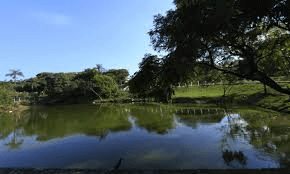
The Municipal Green Plan aims at the integrated and effective management of the city’s green areas, setting guidelines and goals for their conservation and restoration. Launched in 2015, the plan emphasizes the importance of green spaces both for their ecological functions, such as serving as ecological banks for species, and for their social functions, including parks and public squares that enhance quality of life and leisure moments for the populace (see more here). Our city stands out with 87 m² of green space per inhabitant, surpassing the UN’s recommendations. The plan aligns with other municipal policies, such as the aforementioned plans and others such as the Municipal Water Resources Plan, reinforcing Campinas’ commitment to sustainable and resilient urban development.
Projeto Genesis
Deviating from the city hall projects, Projeto Genesis, centered around Mata Santa Genebra in Campinas, is an initiative centered around fostering biodiversity and community engagement. Launched in 2021, this project aims to involve the general public in the conservation of regional biodiversity, increase and restore forested areas, and promote environmental actions. By planting over 37,000 native seedlings across 71 areas in Campinas, for example, Projeto Genesis not only enhances ecological connectivity but also educates the population about environmental preservation. The project includes activities such as reforestation, environmental education, and reintroduction of native fauna, all while generating income for local communities. Located in the Barão Geraldo district, Mata Santa Genebra itself is a 251.77 hectare remnant of the Atlantic Forest, serving as a genetic bank for native species. For comparison, there is a total of 2,106 hectares, which is about 2.65% of the original Atlantic forest in the city. Through initiatives like “Condutores de Visitantes” and “Construtores de Florestas,” Projeto Genesis strengthens ties with the community, promoting a collective commitment to sustainability and environmental preservation (see more on the project here). Being non-governmental, no election interest is involved, and the progress and results of the project’s work can be observed such as in this Globo Report.

Campinas is taking significant steps towards preventing and addressing climate change and environmental degradation through a series of strategic projects. The Local Climate Action Plan, Municipal Plan for Environmental Education, and Municipal Green Plan create a steady approach to creating a sustainable urban environment coming from the government, while Projeto Genesis provides aid that does not depend on the government. Each project not only aims to reduce carbon emissions and enhance public awareness but also emphasizes the importance of preserving the city’s rich natural aspects. As Campinas continues to develop and implement these projects, it is crucial for residents to remain aware and hold the government accountable for its commitments. The path forward requires collaboration among all of the population to ensure that the city not only meets its environmental goals but also fosters a resilient community prepared to face the challenges posed by climate change. By prioritizing sustainable policies and protecting green spaces, Campinas can serve as a model for other cities faced with similar issues, paving the way for a healthier planet and a better quality of life for future generations.
Here are some useful links regarding Campinas and the environment
To learn about environmental problems campinas faces click here: https://eacpress.news/2025/02/25/environmental-challenges-in-campinas-and-in-the-world/
For more information on the Atlantic Forest in Campinas click here: https://www.aquitemmata.org.br/#/
For a video on Mata Santa Genebra click here: https://youtu.be/wzs9OKc8aIE?si=S_a97b7PIsf6l_TJ
 EAC PRESS
One thought on “Environmental Projects in Campinas”