Written by Beatriz Maziero
The environment is our home. But we need to make it thrive by helping it stay healthy and preserving it. Environmental preservation is very important and is also one of the main ways to avoid the water crisis that is currently taking place in our world. There are various ways to make a change, from recycling a bottle of water and reducing the use of fossil fuels to starting a reforestation project with many other people. These things, simple or complex, make our world a better place, not only for us but for every living organism that lives in it. In this article, we will talk about the preservation of the environment and the ongoing water crisis, while examining how these two issues are connected and how they can be avoided. Several countries have launched reforestation projects with the goal of restoring degraded lands. We’ll compare the efforts of the Democratic Republic of Congo and Brazil, focusing on how successful they have been in restoring ecosystems and bringing back endangered species while also seeing ways we can make a difference. This also connects, once again, to the water crisis going on now and we will also talk about how these two things are interconnected and why it is important that we understand how to care for our environment.
All these problems can be avoided, but how did it all start? Humans have been the main cause of most of the world’s problems, deforestation because of agricultural expansion and urban development, pollution whether it is on land, in the air or even on water, people have been littering all over the world and this is causing major problems. Some other things such as habitat destruction and land degradation from industrialization are taking away animal’s habitats and turning our world upside down, from green to gray.
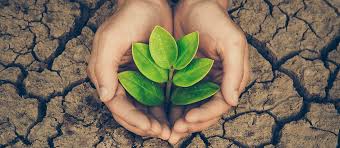
Given the global land deterioration we face, we must understand the crucial role that reforestation plays on our planet. Every tree, plant, and step we take improves our planet’s health and people’s lives. Reforestation tackles various environmental problems and preserves the natural environment of the world.
In the Democratic Republic of Congo, a reforestation initiative by the name “The DRC reforestation problem” led by the DGB Group was launched to restore over 22,000 hectares (220 km) of degraded land, roughly equivalent to the distance between NYC and Washington D.C. (225 – 230 km), which takes about 4.5 – 5 hours to travel by car. This task is not simple, indicating that many efforts are needed and numerous people will be required to facilitate this reforestation.
The planting of indigenous plants such as sage and milkweed and some indigenous species are being brought. These species are native to our environment and are what make our planet diverse. They will not only help bring the land that used to be healthy back but also increase the country’s biodiversity as well as have “sustainable economic opportunities for local communities.”
Other areas where the reforestation will be useful in are:
- Opportunities for jobs and employment – By restoring land, local workers could find new jobs such as planting, monitoring the land, and maintenance of the environment.
- An increase in food security – By restoring and planting native plants, local agriculture could thrive and reduce the scarcity of food, ultimately increasing food security.
- Applying carbon sequestration to reduce the carbon footprint / reducing global climate change – Because trees naturally absorb carbon dioxide from the atmosphere, the growth of more trees would help the stabilization of global climate change as well as decrease the levels of carbon dioxide in Earth’s atmosphere.
As we can see, this project is much more than bringing back natural life and resources; it is helping people have a better life, making the world a better place, and making everything healthy again. For example, the UN currently sets 17 sustainable development goals to have in our world. By preserving our land and taking care of our environment, most of these goals can be achieved and help people living all around the world. Things from good health and well-being to climate action are possible if people are willing to collaborate. Unfortunately, this project will not change the whole world, but in this case, a small action can make a big difference in the sense that reforestation is only the beginning of a global change.
Another country where reforestation projects are being implemented is Brazil. A project called Amazonia Live has been taking place and is supported by the Rock in Rio music festivals which are also working with the “Conservation International and Brazilian nonprofit Instituto Socioambiental” and the “Amazon Sustainable Landscape Project”
Brazil is currently going through a reforestation effort to grow back trees in the Amazon region. The Amazonia Live project, starting initially in 2017, has a goal to regrow 73 million trees in the Brazilian Amazon, but because of some setbacks, such as the COVID pandemic and the Amazon fires that have been very frequent recently, the project had a hard time progressing. As of 2023, the project has already fulfilled 20% of its goal for reforestation, which is about 14,600,000 trees. The author talks about how a new presidential administration was looking forward to stopping deforestation. The presidents of Brazil and the United States of America met in Washington in 2023, this brought hope to the project and others that a “healthy future for the Amazon is still possible.”
This project has not been easy to fulfill, especially because even after some areas of land have been restored, they are attacked by fire and go back to being another degraded, burnt, and destroyed piece of land. Unfortunately, the worst part about the fires is not only that they burn our nature and animal’s homes, but the fact that humans set those fires. There are two sides to people, the people who care about the environment and want to make a change and the others who don’t care and would take drastic measures such as destroying our planet for their benefit and profit.
Reforestation is important for solving the world’s water crisis, but what is a water crisis, why is it taking place and what can be done to stop it? Firstly, a water crisis is a problem that has been happening in our planet where millions of people from all over the world have been lacking safe or any access to water at all. This happens because of many factors, those being:
- Overconsumption of water sources – The overconsumption of water sources is very harmful when we are not responsible. Because we are used to having access to clean and safe water, we don’t care about wasting it; however, around 2 billion people in the world do not have access to drinking water, and this is completely intolerable.
- Pollution and contamination of water sources – Factories and industries cause a lot of pollution, such as discharging harmful wastes into rivers, lakes, and oceans, making the water unsafe as well as killing marine animals. We are also part of this problem, plastic waste from bottles, bags, and other daily-use items is very dangerous and is contributing to this conflict.
Trees help maintain the water cycle by absorbing and releasing water through a process called transpiration. They also reduce soil erosion, which helps keep water clean and prevent it from getting polluted. Additionally, trees act as natural sponges, soaking up rainwater and slowly releasing it into rivers and streams. This helps prevent flooding during heavy rains and ensures a steady supply of water during dry times. By restoring forests, we can improve water quality and availability, which is crucial for communities that struggle with water shortages.
Restoring biodiversity helps improve the ecosystems by bringing back various species. More species means having stronger ecosystems that are better at staying healthy and recovering from problems. It also helps with important things like pollination, water purification, and soil health. When biodiversity returns, it can even help fight climate change by capturing carbon, which was mentioned earlier in the article.
Reforestation, or planting trees, helps manage water better. Trees absorb rainwater, reduce flooding, and help water soak into the ground. This improves groundwater levels and reduces soil erosion. Healthy forests also keep rivers and streams cleaner, balancing the local water cycle.
There are, however, safe and healthy ways to get resources from our planet. For example, extractive reserves are areas where local people can gather resources like fruits, plants that can be used as medicine (ex. Aloe Vera), and seeds without damaging the environment. This helps protect forests while also supporting the livelihoods of communities that depend on these resources. This is a way to use natural resources sustainably while preserving ecosystems and caring for the local environment.
In conclusion, taking care of our environment and solving the water crisis are deeply connected. By protecting nature through things like reforestation and using resources wisely, we can help restore ecosystems, improve water quality, and make sure there’s enough water for everyone. While the challenges are big, every small action can make a difference. If we all work together, we can create a healthier planet and a brighter future for ourselves and future generations. The time to make a change is now, and it starts with us.
 EAC PRESS