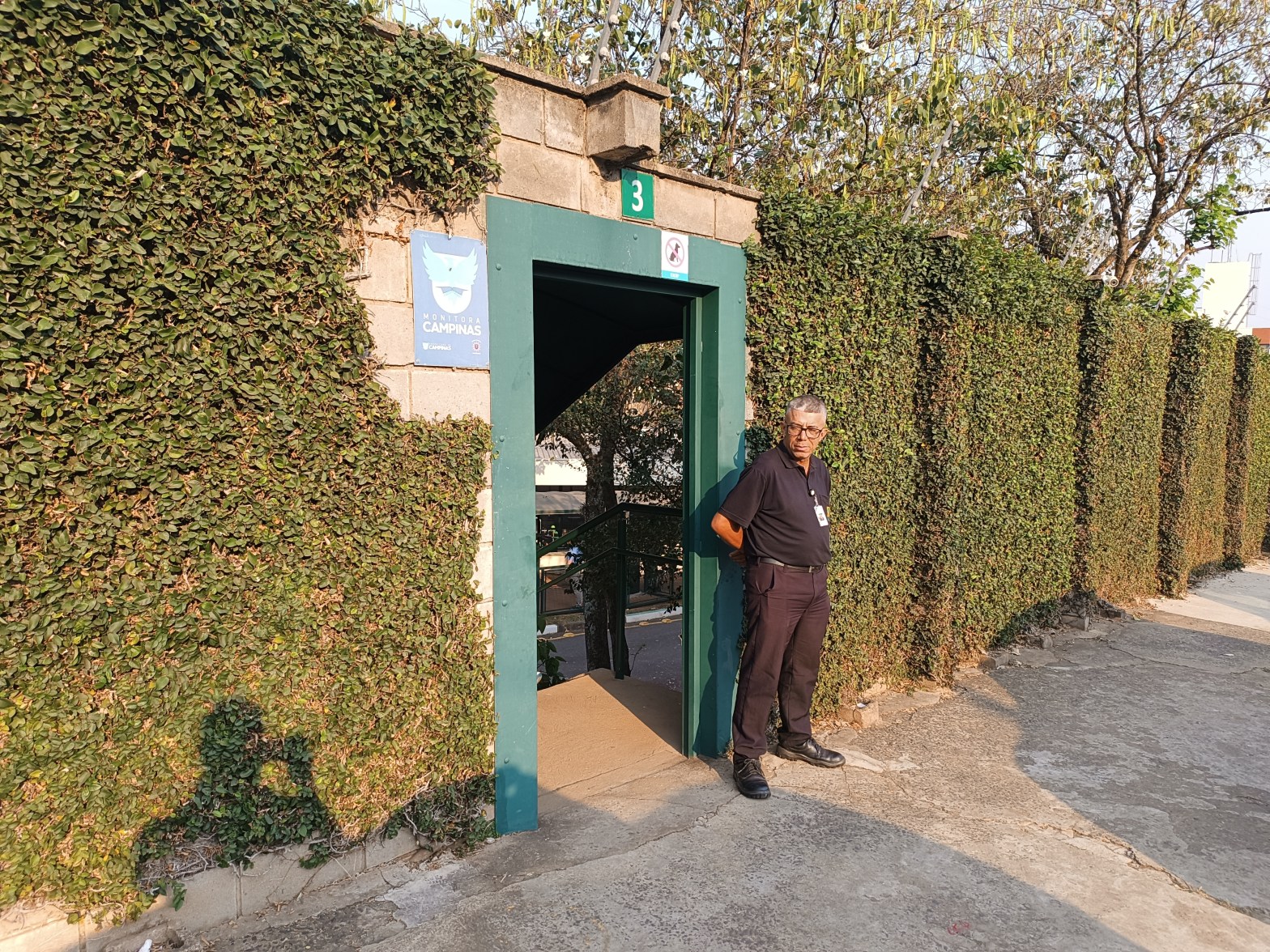
The Backbone of Our School
Written by Antonella Ruette
In the daily rush of our school life, it is easy to take for granted the warm “hello” or “good morning” from staff members. These simple interactions blend into our routines, but are they a one-way exchange, or something reciprocal? While it’s easy to think that the staff works out of sight, the truth is that many of these remarkable people are right in front of us—though often unnoticed. They play essential roles in the smooth functioning of our school. Whether they’re helping us find books in the library, keeping the hallways clean, or preparing our meals, these people make our days easier. Despite their constant presence, how much do we actually know about their lives and stories?
It’s worth reflecting on how familiar we are with the staff. However, they are not a monolith—there’s an organized system behind the scenes that many of us are unaware of. I had the chance to speak with our Human Resources Analyst, Maristela, who kindly shared some insight into how the staff is structured. Our school employs 199 staff members, divided into six main categories: security, maintenance, cleaning, administration, instructional, and cafeteria staff. Each of these categories has its own subgroups. For example, different cleaning teams manage different areas of the school, and security personnel oversee specific entrances. Each team is overseen by a supervisor, like Milton for the security staff and Luiz Carlos for the maintenance team. The cleaning department, however, is outsourced to a company called “In Service,” which allocates workers to our school. It’s also important to remember that teachers, leaders, and technicians are part of the staff as well.
With 850 students and 199 staff members, we have a ratio of 7:1, a number that is notably high when compared to other schools in São Paulo. This ratio reflects the level of care and attention provided to our community, but it also reminds us to respect both the people and the environment that supports our education.
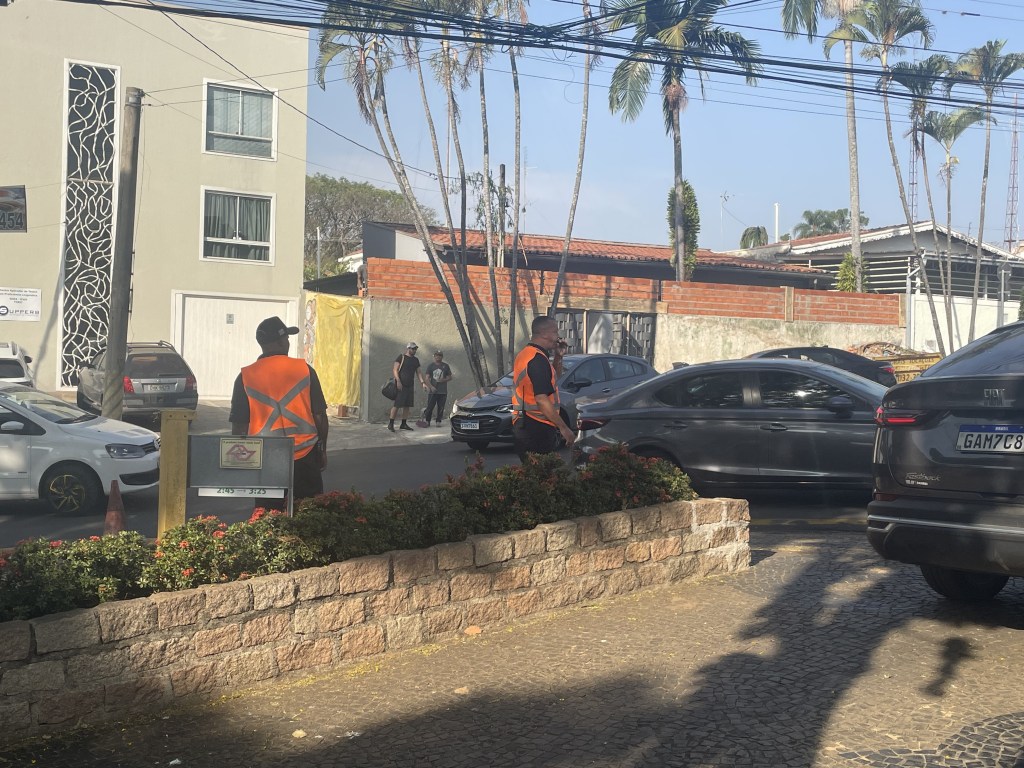
Through interviews with two students and three staff members—two from the cleaning staff and one from security—I learned some eye-opening insights. While some groups of workers, like security, are more visible and recognized by students, others, such as the cleaning staff, tend to go unnoticed. However, all the workers I spoke with expressed contentment with their work environment and camaraderie with their colleagues. They appreciate and respect one another, creating a supportive atmosphere. Yet, the interaction between staff and students could improve.
We cannot deny that at times we are a bit embarrassed or even feel a bit awkward interacting with the workers at school, which contrasts with the way we interact with teachers for instance; people who we are in direct contact with and instructed from an early age on the way we should behave. Sometimes a simple nod with a smile or a soft “hello” can make a difference in the way the workers feel they and their work are recognized and perceived. This campus is as much their workplace as it is our learning space. Maintaining respect in both direct interactions and indirect ones, such as how we treat the school’s facilities, fosters a positive environment and helps the people feel more appreciated or even understood. Last year, one of our journalism students started a campaign advocating for the cases of vandalism that occurred in the upper school bathrooms. Let’s recognize that this isn’t a new topic but actually something we’ve recognized and have been advocating for some time.
One student I interviewed used an analogy that left an impression on me: the staff are like the “babysitters” of our school. They care for us, provide our meals, and keep things in order. It’s a comparison that highlights the vital role they play in our daily lives and serves as a reminder of how we should view and value them.
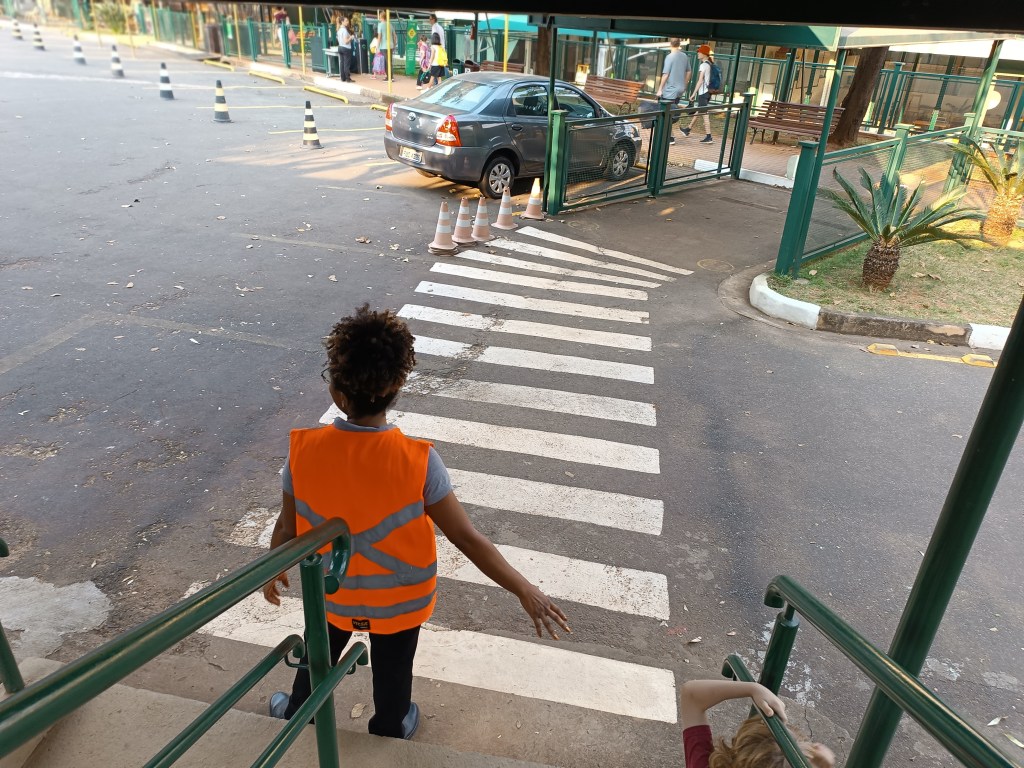
As we get older, it’s crucial to understand that our responsibilities grow as well. It’s no longer just about looking after ourselves, but also being mindful of those who help maintain the space we use every day. The staff who clean up after us, prepare our meals, and keep everything running smoothly deserve our respect. That means, not vandalizing the bathrooms, throwing paper in the trash, flushing the toilets, not throwing trash on the floor and so on. The way we treat the school reflects on the way they feel they are perceived and respected, and I hope that everyone wants to make them feel like we do appreciate them and value their work. Nonetheless, we should always take action while thinking about the situation we might put other people in.
 EAC PRESS