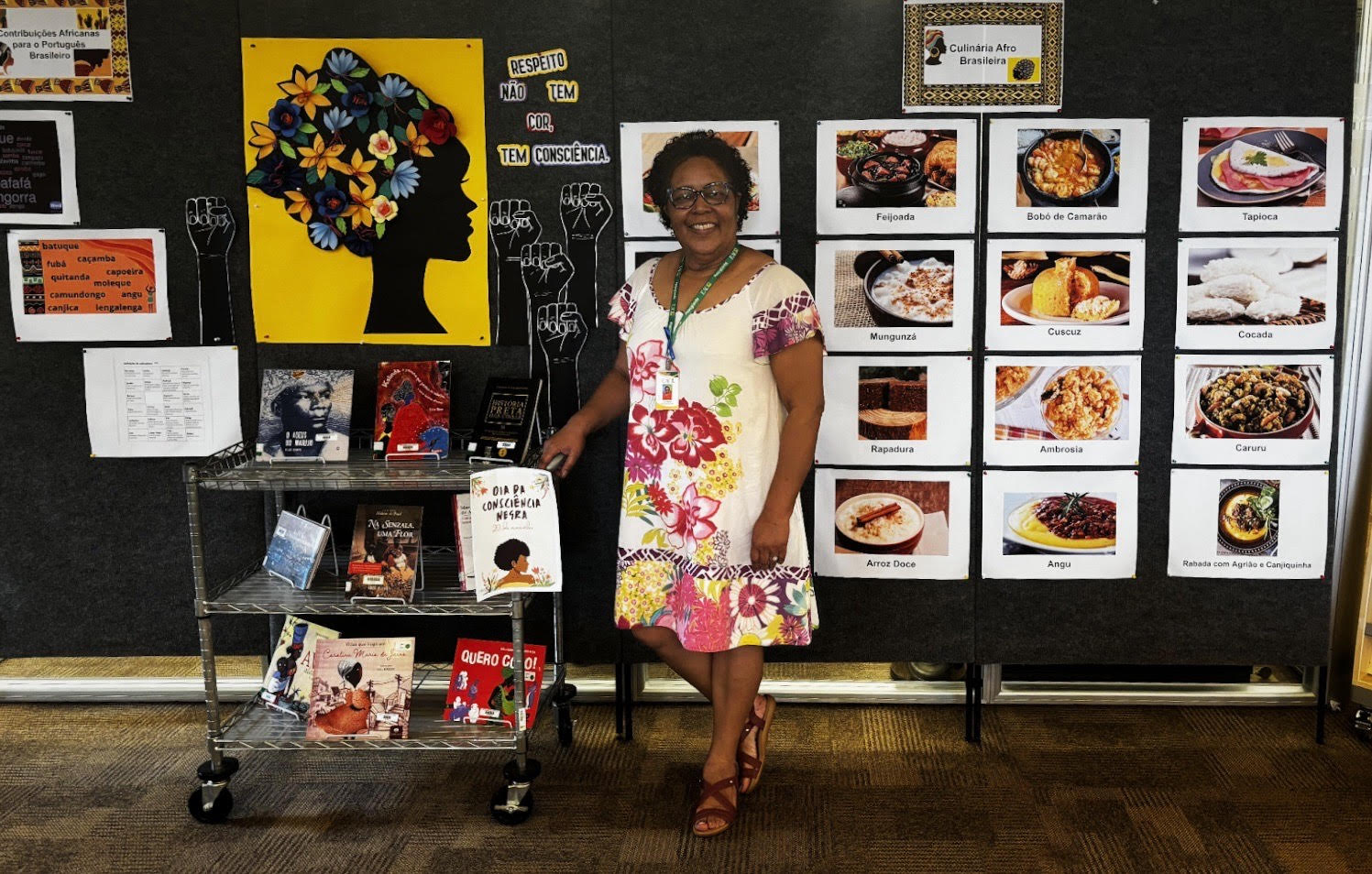
Brazil’s reputation is stained by its racist past, as the country is responsible for a large part of trafficking africans during the slave trade. The native Africans were killed, enslaved, and ultimately dehumanized. Slaves that tried to escape this disrespectful reality, would form villages named quilombos, where they would establish communities and well structured armies and governmental systems. People who lived in quilombos would battle to free slaves, ultimately accomplishing the full abolishment of slavery in Brazil on May 13th 1888. In 2003, Consciência Negra was made a national holiday to conscientize people about the harsh past of people of color. Consciência Negra marks not the day that slavery was abolished, it marks the day that an important quilombo leader, Zumbi dos Palmares was assassinated. November 20th is not just a day off of school or work, it is a celebration of black culture, and how they shape our Brazil today. Lucia Ferreira, the librarian here at EAC, looks to make an impact and further inform people about the rich African culture embedded in Brazil today.
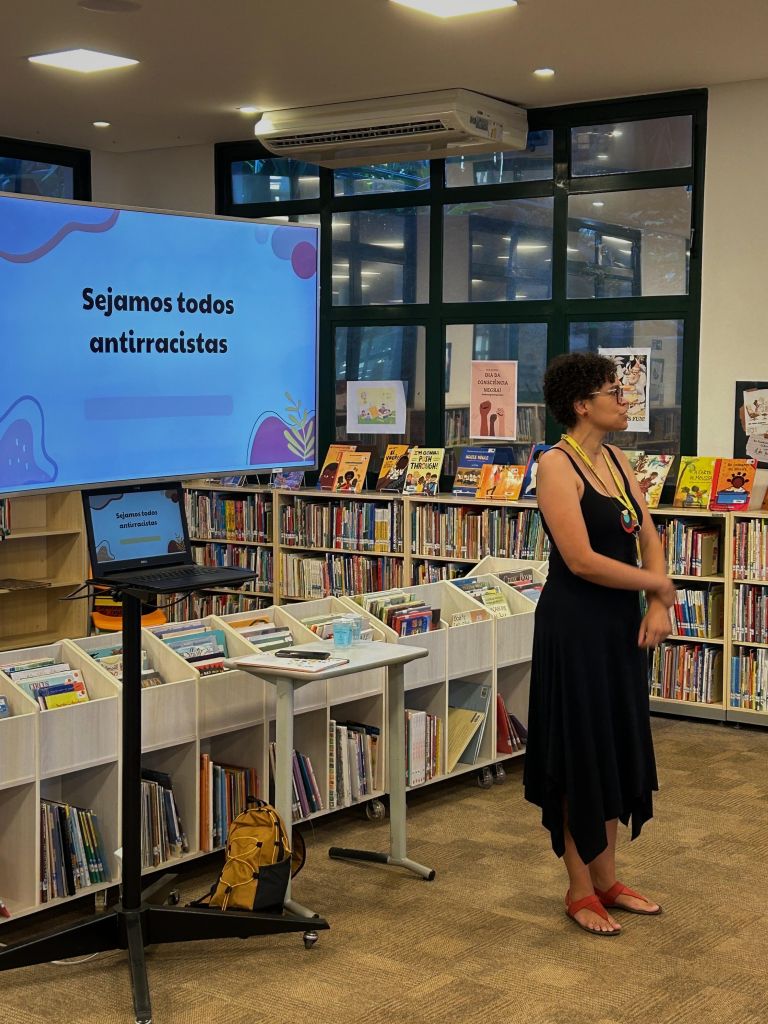
“It’s important to have this holiday for people to remember this matter, but it is not only on the holiday that we should acknowledge it,” says Lucia, she explains how the theme of the holiday does not lose importance outside of the day it is commemorated. She believes that the more the topic is incorporated into our everyday lives, the more it will be taken seriously. Lucia makes sure she does her part, every year, decorating the library, making expositions and showcasing African culture for students and staff to see. She also reads and teaches the younger students about the principles of how to deal with and combat racism, as well as hosting special guests to talk to students about racism and anti-
racism. Furthermore, to spread the reach to students who might not visit the library often, Lucia calls on teachers to incorporate the topic into lessons, especially in English and history classes, this will allow students to marinate in the topic, to not only learn, but to understand and take conversation of the topic outside of the classroom.
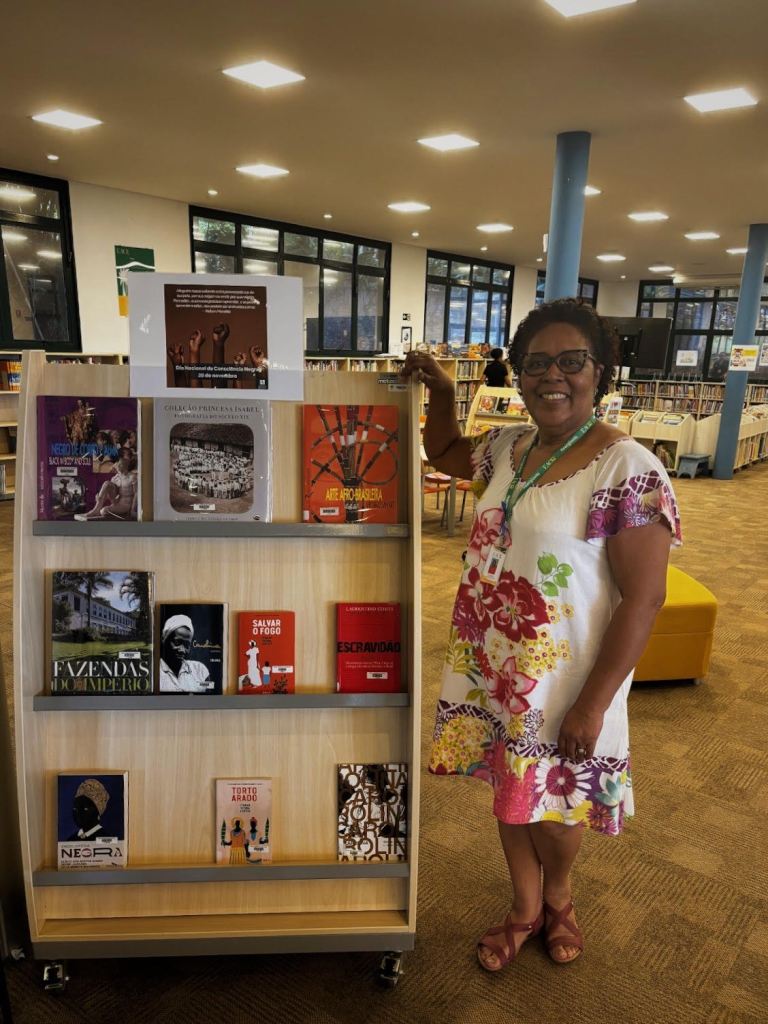
Africa has more influence here than most imagine, the culture runs deep, even in what you eat. Have you ever had feijoada? Cuscuz perhaps? Well, if you have, you are eating dishes with African origin. Feijoada came about when slaves, who were handed down the less noble cuts of meat, were forced to improvise on what to eat, they came up with a clever mixture of meats, beans, and spices, leading to a now staple brazilian dish. For individuals interested, in the EAC library, Lucia offers many select reads who speak on Afro-Brazilian influence and culture.

For high school readers, Escravidão Volume II, by Laurentino Gomes, touches on the effect of slavery on the search for gold in South America, as well as the cruel truths of slavery at the time. Books like this allow students to put themselves into the shoes of slaves, and have a deeper understanding on the effect that Afro-Brazilians have on their lives to this day.

An informative, entertaining read for middle school students, O Adeus do Marujo, by Flávia Bomfim, tells the story of a young Afro-Brazilian man named João Cândido Felisberto, who organized a mutiny, the Revolt of the Whip, which aimed to end the mistreatment of sailors in Brazil.

For younger students, Amoras by Emicida, discusses black identity as a child. Many students may relate to this book, and understand how their colored friends grow up, making it an impactful read even for young children.
Lucia shares these books to bring awareness, so the school as a whole can be well-informed about black figures and topics that have influence to this day, and we might not even know it.
Consciência Negra is a day that encourages us to think in respect of African culture in Brazil. Our daily lives, habits, and actions, are all shaped by the culture around us, a prevalent player, being African culture. We, as a people, must not only think of how this influences us on November 20th, but how it has shaped our Brazilian culture and social structure, and continues to build it to this day. And some, like Lucia, will continue to do their part to make sure that culture is remembered, acknowledged, and respected.
 EAC PRESS