Health apps are consistently getting more and more popular in society. Certain apps are used to count calories, track exercise, track the amount of water you drank, and much more. Even though most people innocently download these apps to help them in the journey to get healthier and to be happy with their outward appearance, it is extremely easy to lose track of what is right and fall into a toxic path. Some examples of apps are My Fitness Pal, Yazio, Lifsum, Bitesnap, Noom, and many more, with several of these offering premium subscriptions in order to make your journey more enjoyable and easier. Nonetheless, there are several negatives to having these types of apps, for instance, they can lead you to obtain eating disorders and body dysmorphia. One sign that it is becoming harmful is if you find yourself thinking about food frequently or worrying throughout the day about your future food choices and how you’ll fit it into your calorie allowance; if this occurs, you should consider quitting.
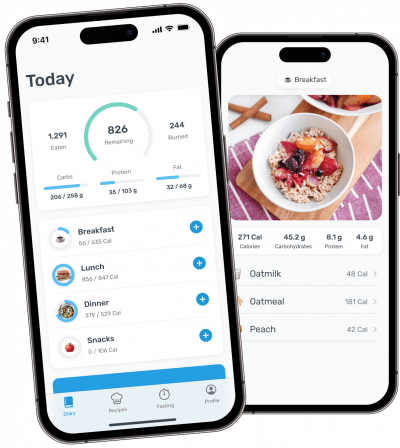
Calorie counting is mostly used to lose weight, whether it is by exercising, regulating your diet, or both. In other words, calorie counting is a way of tracking the total calories of every food and drink you consume on a daily basis. Counting calories has various benefits, such as weight management, improved nutrition, increased awareness of the food you intake, motivation and accountability, etc.
Several crucial reasons why apps based on the regulation of health are increasing and becoming more popular. We all know that social media can have a negative influence on the young people that consume it, videos of people eating extremely healthy and exercising intensively on a daily basis can confuse and put expectations that most of the time aren’t achievable nor the creator’s reality.
There are several initial signs of an eating disorder; however, may vary depending on the specific type of disorder, but some common warning signs include: obsessive preoccupation with food, calories, and body weight, changes in eating patterns, such as skipping meals, eating very small or large amounts of food, or avoiding certain food groups, rapid weight loss or gain, excessive exercise or compulsive movement to burn calories, mood swings, anxiety, depression, and/or irritability, changes in sleeping patterns or insomnia, withdrawal from social activities and relationships, obsessive or repetitive behaviors related to food, such as compulsive counting of calories or tracking of food intake, and denial of being underweight or having an unhealthy relationship with food. Consequently, more people install health apps with the wrong intention, it isn’t because they want to improve their health, it is simply because they want to “improve” their outward appearance and the apps would make the process faster. People that are developing may have a feed that is filled with individuals who appear “perfect,” which might serve as a continual reminder of the flaws in their eyes. Furthermore, a lot of the time teenagers don’t even realize they are comparing themselves, so something as “harmful” as Instagram can influence and worsen their negative habits.
Eating disorder recovery is a slow and challenging process that requires dedication and commitment from the individual. There are several challenges one might face during the recovery process, including dealing with physical symptoms – depending on the type and severity of the eating disorder, physical symptoms such as malnutrition, dehydration, and gastrointestinal issues may be present, these symptoms can also be uncomfortable and difficult to manage, and they may require medical attention. Furthermore, addressing underlying psychological issues – eating disorders often stem from underlying psychological issues such as anxiety, depression, or trauma; addressing these issues can be a long and difficult process, and may require the help of a therapist or other mental health professional. Additionally, it is important to rebuild a healthy relationship with food, individuals with eating disorders often have a complicated relationship with it, and may struggle to eat in a healthy and balanced way. Rebuilding a healthy relationship with food can take time and may involve working with a nutritionist or dietitian. Also, learning to manage triggers and urges is crucial for you to succeed in your recovery. Triggers and urges to engage in disordered eating behaviors can be a significant challenge during the recovery process. Learning to manage these triggers and urges in a healthy way is an essential part of the recovery process. Last but not least, recovery from an eating disorder is rarely a linear process and setbacks and relapses are common. Learning to manage these setbacks and stay committed to the recovery process can be challenging but is essential for long-term success. Overall, eating disorder recovery is a slow and challenging process that requires patience, perseverance, and support from loved ones and healthcare professionals. However, with dedication and hard work, it is possible to achieve a full and lasting recovery.
Calorie counting, according to Carina Massa, a Miami-based child psychologist, may lead to an obsession with food intake and “can contribute to an increase in anxiety and negative self-esteem.” She went on to suggest that applications like MyFitnessPal can lead to a limited, imbalanced diet.
There are numerous advantages of having these kinds of apps as you can view and measure your progress toward your goals. You may inspire yourself to make better eating habits by having a stated goal and an easy way to assess how close you are to reaching it. Additionally, it encourages physical activity since many calorie-counting apps permit you to include a workout in your nutrition tracking. It also exposes excess and hidden calories by keeping count of every calorie, which can aid you in realizing where you’re going wrong with overeating.
Having a good relationship with food involves cultivating a positive and balanced approach to eating that supports physical and mental health. Here are some tips to help improve your relationship with food: practice mindful eating: pay attention to the taste, texture, and sensations of each bite, and avoid distractions such as screens or reading while eating, listen to your body, for example, eat when you are hungry and stop when you are full. You can avoid overeating or restricting yourself, and avoid labeling foods as “good” or “bad”. All foods can be part of a healthy diet in moderation, emphasizing variety and balance. Aim to include a variety of foods from all food groups in your diet, and cook at home (cooking meals from scratch can help you have more control over the ingredients and portion sizes). Don’t judge yourself, be kind and compassionate towards yourself, and avoid negative self-talk related to food and body image. And suppose there is something negative going on. In that case, you can always seek support by talking to a healthcare provider or a registered dietitian for guidance on how to establish a healthy relationship with food and your body. It is always important to remember that having a good relationship with food is a journey, and it takes time and effort to develop new habits and attitudes. Focus on progress, not perfection, and celebrate small successes along the way.
Regarding whether calorie tracking works, while consistent diet monitoring can help some people lose weight, it isn’t as precise as it appears to be. In reality, calorie counting does not necessarily coincide with the quantity of energy our bodies ingest and burn. It’s also vital to understand that calorie counters rely on nutritional data frequently from completely incorrect sources. There are too many aspects that can influence the journey for your final outcome that these apps can’t notice or consider when coming up with the results.
Some boundaries are essential for people not to become addicted or obsessed with what is inside their tiny cellular devices. Firstly, you need to make sure that you are in a healthy mental place to guarantee that you won’t get influenced or “brainwashed” by the app when installing it. Another boundary is if you’re constantly severely concerned that what you are eating will alter your daily result, even when you deserve to reward yourself and eat something that has slightly more calories than you would normally intake, then you should contemplate deleting the app. Overall, counting calories is an extremely slippery slope to toxic diet culture and issues with your mental health.
It is important to remember that food isn’t just an ingestion of calories, but it is a moment to be close and bond with others around you, it can be at a party, at school, or even lunch with family over the weekends. It’s crucial that something so important as people’s health would be dealt with by a human figure, not a computer that doesn’t have any emotions, and with that, help formulate better and more accurate questions for the person needing help. To bring another human perspective, we shortly interviewed our nutritionist that is responsible for our meals: Christina Stier Coelho, or as we know her Kiki.

Me: “What is your opinion on calorie-counting apps?”
Kiki: “I think it is interesting, but a little dangerous for people who are not really completely aware of the calories and the food intakes, if you look only at the calories, I think it can be very harmful. However, I think that in the future people will know I lot about nutrition, but right now would be too risky because they don’t have a full understanding of the intakes that we should take, so that is why I don’t see calorie counting in a good way right now as it is, in the future I see it completely different, but not right now. In the future, I see it more balanced because we will have more information and everyone will know more about nutrition and health because the content will be there. In my days, the only place I could learn more about this was in college and I think people will learn it sooner, and if that gets implemented in schools it could be extremely positive in my opinion, but only navigating through those apps right now is very complicated because the pieces are missing and it is more harmful than good.”
Me: “Do you have any advice for people who are trying to lose weight or maintain their weight and just be more healthy with those calorie-counting apps?”
Kiki: “I would be really biased with my answer right now but they should definitely see a professional and ask for not just calorie count but you should definitely look at the necessity that they have according to their age, weight, and the amount of physical activities they do. That all counts, not the mindset that “the less I eat the more I will lose weight” because it is not only about calories actually, the minerals, vitamins, micronutrients and are way more important than the calories itself so this is why I see it as more harmful than beneficial nowadays. In the future, I think people will know how to navigate, know how to use, will have more information, and will be better, but right now I see people focus more on the calories and supplements to get these vitamins and minerals that you can actually find if we eat in the right way. If we eat in the right way, we don’t actually need to count calories or get supplemented unless they have something more specific. But in the future, I think it will all switch and take a turn in a positive way”
 EAC PRESS