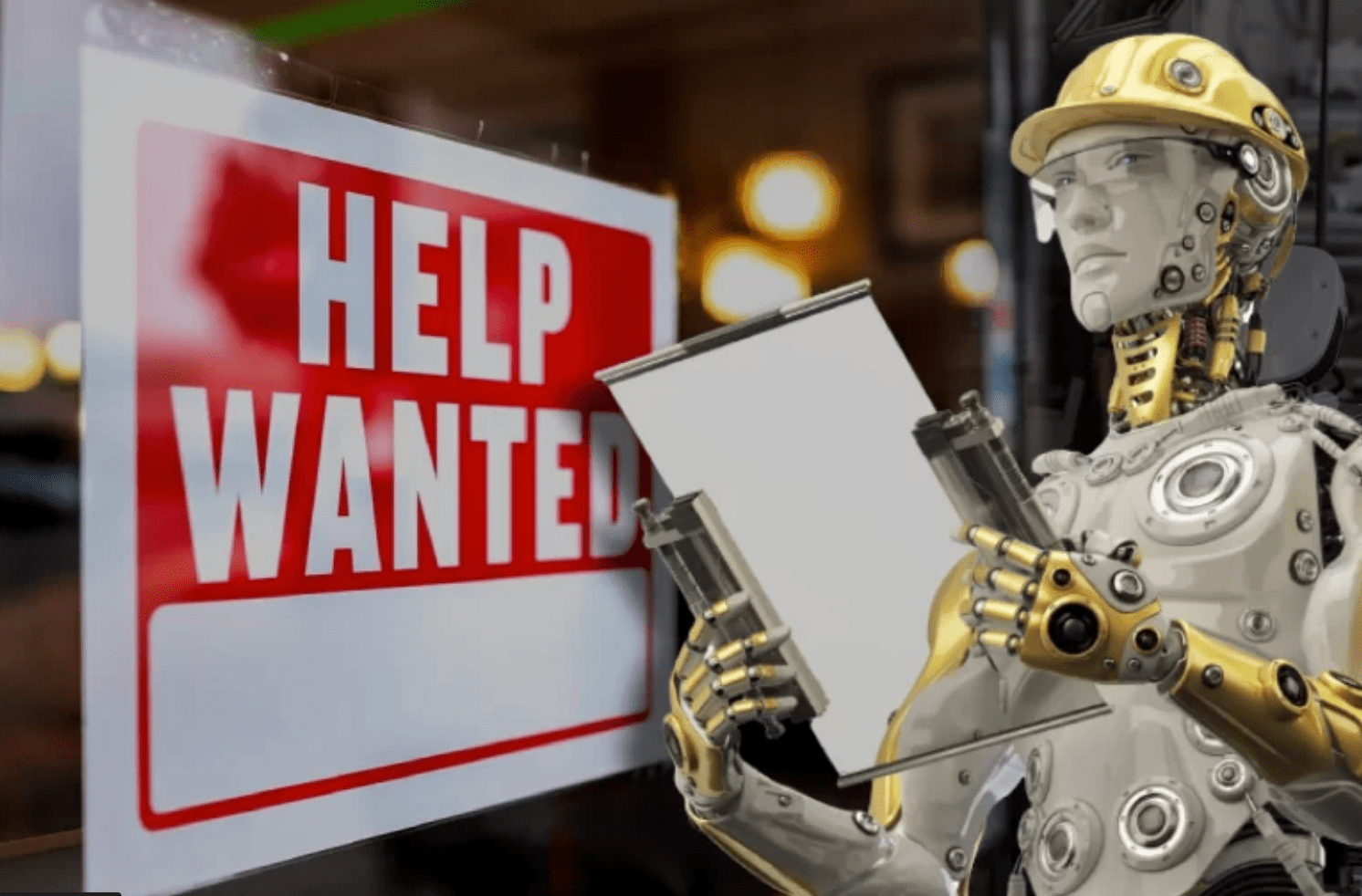
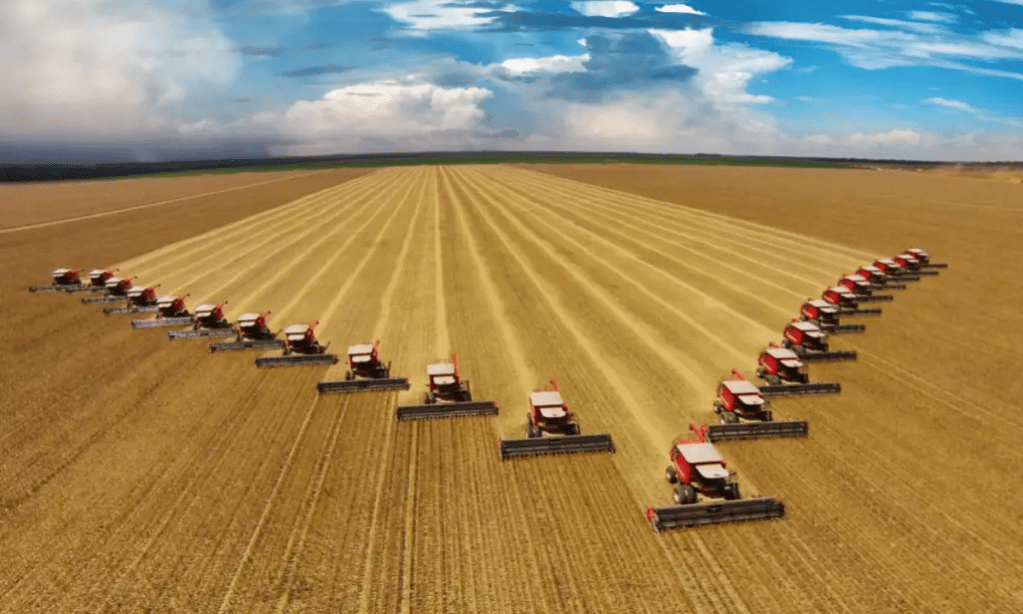
Historically, advancements in technology have always been prone to substituting jobs worldwide. For instance, according to The University of Melbourne, the majority of people in the globe worked on farms. Today, just a small portion of farmers are able to achieve the same yields.
Moreover, not only have we seen advancements in technology take over jobs worldwide, but also take over traditional practices such as sending a letter to your love one. In the movie Her, which was watched in the journalism classes, Theodore Twombly works as a ghost writer through the generation of love letters by general information about an individual.

In reality, ghost writers are often used by celebrities to create biographies or even Instagram posts. For instance, Prince Harry’s biography Spare was ghostwritten by J. R. Moehringer. On a counterpoint, jobs like ghostwriting actually evidence how, while technology does substitute several jobs over time, it has the power to create several others as it connects individuals worldwide. A report written by McKinsey Global Institute, argued that “The Internet is also a catalyst for job creation. Among 4,800 small and medium-size enterprises surveyed, the Internet created 2.6 jobs for each lost to technology-related efficiencies.”

Nevertheless, according to a BBC report, a report by investment bank Goldman Sachs claims that artificial intelligence (AI) might replace the equivalent of 300 million full-time jobs. Interestingly, a report by Business Insider argued that Chat GPT alone could replace more than 5 jobs sectors.
For instance, Employees at Amazon who evaluated ChatGPT claimed it is “great” at creating training materials, “very strong” at responding to inquiries on corporate strategy, and “does a very good job” of responding to customer service questions. Nevertheless, there is a risk in using machines to substitute human intelligence as the bot, like any other technology, can generate false information and result in several mistakes. Chat GPT, in general, formulates answers majorly through a series of limited educated ‘guesses”. Nevertheless, there have been several discussions on the possibility of this AI tool taking jobs from humans. According to MUO online magazine’s 8 Big MUO Problems With OpenAI’s ChatGPT, even if ChatGPT’s quick growth and adoption are still fresh in the memory, several commercial apps have integrated the underlying technology such as Duolingo, an app that promises to teach several different languages such as Latin or Italian, and there is no disputing that ChatGPT and the technology behind it will fundamentally alter our contemporary society. Moreover, according to an article by Newshub, ChatGPT could substitute around 20 jobs such as tutors, telemarketers, email marketers, copywriters, and translators.
Still, there are several jobs that have existed for decades since decades ago that cannot, at least right now, be substituted by an Open AI tool. For instance, although some AI tools, like Chat GPT, have made progress in producing creative material, they are still unable to accurately capture the complexity of human emotions and experiences. Therapists, social workers, and artists are just a few professions that rely on the uniquely human potential for understanding and connecting with people on a deep level. These professions call for empathy, intuition, and nuanced decision-making. In addition, jobs requiring physical dexterity and artistry, like those of a carpenter, chef, or tailor, need a degree of ability and accuracy that present AI technology cannot match.
In conclusion, technological developments have surely resulted in the replacement of employment across a variety of industries, but they have also produced new opportunities and altered the nature of labor. It is crucial to understand both the potential advantages and difficulties presented by technology as it continues to advance. Instead of completely replacing human talents, we must use technology to improve them. We may aim towards a future where people and robots collaborate well, building a civilization that blends the best aspects of both worlds, by recognizing the capabilities and limits of AI. To secure a fair and inclusive future of work, the influence of technology on jobs is ultimately a difficult subject that calls for serious analysis and proactive solutions.
 EAC PRESS