The history of Thanksgiving traditions in the United States of America and EAC
Thanksgiving is a time to celebrate the blessings of the past year which occurs on the fourth Thursday of November. The most famous thanksgiving background is connected to the Pilgrims which arrived in 1620 in New England, United States of America; however, there are some variations of the possible thanksgiving origins. In our EAC community, we also have thanksgiving traditions, such as an annual dinner.
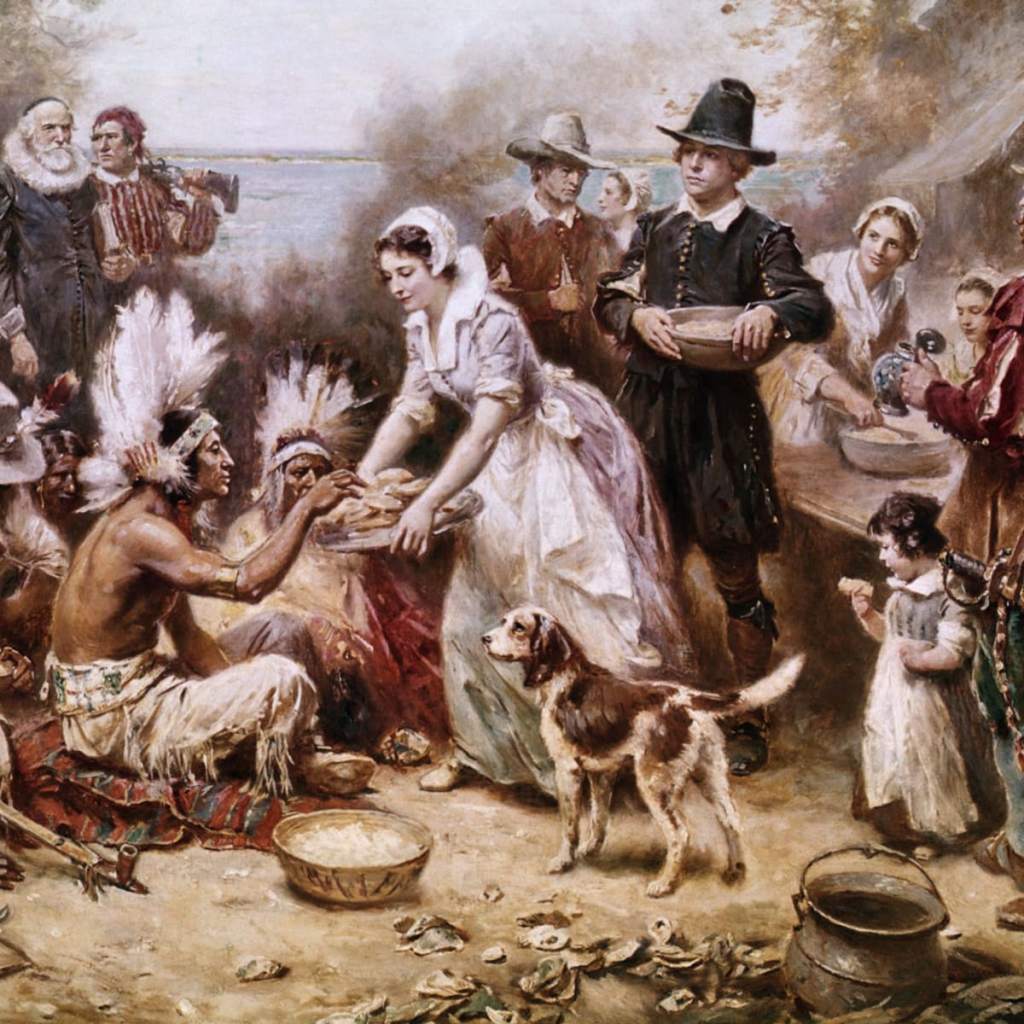
The most famous origin of thanksgiving is from 1621, when the Plymouth colonists and Wapanoag population celebrated the autumn harvest with a feast. In 1620, the ship Mayflower left Plymouth in England with 201 passengers towards America seaking for a new world with religious freedom. The crossing lasted 66 days, and in the end the Mayflower anchored near the Cape Cod bay and a month later, they went to Plymouth where the Pilgrims began to establish villages. However, the Pilgrims experienced a brutal winter, as a consequence, only half the original passengers and crew lived to the first spring in Plymouth, USA. In March, the colonists received a visit from a member of the Abenaki community, who greeted the Pilgrims in english. Some days later, that same member of the Abenaki community returned with a man called Squanto who was a member of the Pawtuxet community and was kidnapped by an English captain, sold into slavery. He managed to escape to London, returning to America together with an exploratory expedition. Squanto taught the Pilgrims how to cultivate corn, extract sap from maple trees, catch fish, and avoid poisonous plants. Also, Squanto helped the colonists make an alliance with the Wampanoag community, which lasted more than 50 years.
To celebrate the harvest, Governor Wiliam Bradford, in november 1621, invited a group of allied native americans (including the Wampanoag chief, called Massasoit) to a feast which lasted three days. According to historians, the dishes like local vegetables (pumpkins), fruits (cranberry), fishes, and deer were prepared using traditional native american spices and cooking methods, different from the nowadays pies, cakes, and cooked in the oven dishes. Even though turkey was abundant in the region, in the feast other birds such as ducks and swans were consumed instead. The second thanksgiving occurred in 1623, after the end of a long drought, the Governor Bradfort called for a religious feast. In the end, days of celebration on an annual basis became a practice in New England settlements.
To be established as the American holiday known today, there was a long process. First, during the American revolution, the continental congress designated one or more days of thanksgiving a year. Then, in 1789, George Washigton proclaimed the first thanksgiving for Americans to express their gratitude for the end of the United States War of Independence and the successful ratification of the constitution. The next two presidents of the USA also dedicated some days for gratitude. In 1817, New York state was the first to officially adopt an annual thanksgiving holiday while the American south was still unfamiliar with the thanksgiving tradition. In 1939, the president Franklin D. Roosevelt moved the holiday up a week because of the Great Depression, but changed it in 1941 for the fourth Thursday in November.
However, there are some events previous from the Pilgrims’ feats that resemble today’s thanksgiving. In 1565, a Spanish explorer, called Pedro Menendez de Avile, invited the Timucua community for a dinner in St. Augustine, Florida to thank God for the safe arrival of his crew. Similarly, on December 4, 1619, 38 british settlers read a proclamation “a day of thanksgiving to Almighty God” on Barkeley Hundred, banks of Virginia’s James River. Apart from those colonist celebrations, some native americans groups already celebrated the fall harvest feast before the pilgrims. As well as ancient Egyptians, Greeks, and Romans who made celebrations to thank their Gods after fall harvest. On the other hand, some native americans think the celebration masks the bloody history of conflicts between Native Americans and Europeans, which resulted in thousands of deaths, therefore, since 1970, protesters have celebrated the National Day of Mourning on the designated thanksgiving day.
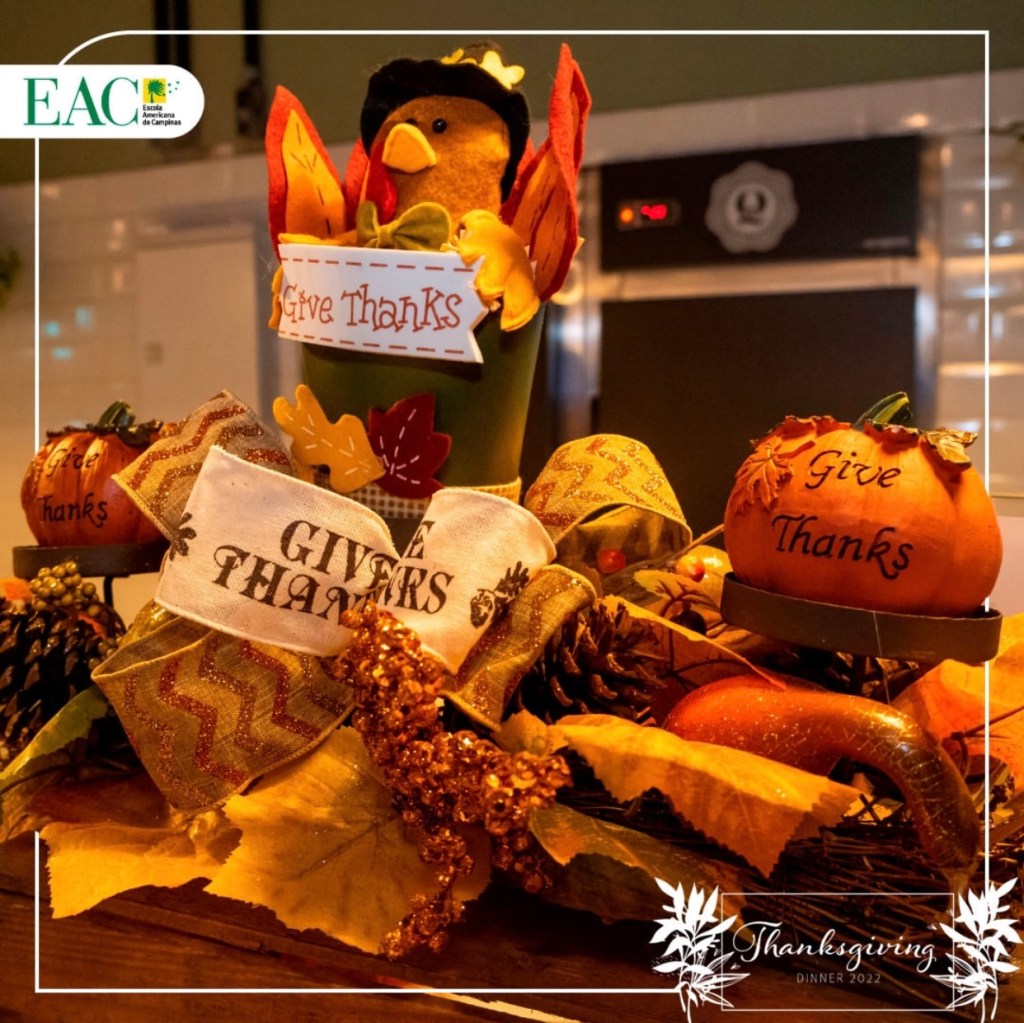
In the EAC community, Thanksgiving is celebrated by having an annual dinner open to everyone. The cantina prepares typical thanksgiving food, such as turkey and gravy. Last year, the Thanksgiving dinner took place on Thursday 24th, 2022.
In the past, one of the heads of school, Mr. Herrera, used to prepare Thanksgiving turkey and serve during lunch for the community. He was courteous to share with us his delicious recipe and wish everyone a happy Thanksgiving from the Herrera family! According to him, the secret is the stuffing:
For the turkey:
1. Remove the package of giblets (gizzard, heart and neck), if present, from the neck cavity of the turkey (boil the giblets in water until it is boiling and then let simmer for 60 minutes.
2. Rinse the turkey and the cavity, or inside of the turkey, with cool water; pat dry with paper towels.
3. Use soy sauce and rub into the outside of the turkey, not too much, just enough to cover the outside of the turkey.
4. Melt butter and put over the outside of the turkey.
5. heat oven to 325 degree F, put the turkey in a roasting pan with some water at the bottom of the pan.
6. Put turkey in the oven breast side up and let it brown in the oven (about 2-3 hours) making sure you baste it every 30 minutes..
7. When the breast side is brown, turn the turkey over and make the breast side facing down in the pan. This is the key to making the turkey very moist, especially the breast. Put it back in the oven and let it brown. Once the bottom side of the turkey is brown, put aluminum foil on top and cook until it is done.
8. Turkey is done when the thermometer reads 165°F and drumsticks move easily when lifted or twisted. When turkey is done, place on a warm platter; cover with foil to keep warm. Let stand about 15 minutes for easiest carving.
For the stuffing:
Ingredients
¾ cup butter or margarine
2 large celery stalks, chopped
1 medium onion, chopped (1/2 cup)
9 cups soft bread cubes (15 slices)
1 ½ teaspoons chopped fresh thyme leaves or 1/2 teaspoon dried thyme leaves
1 teaspoon salt
½ teaspoon ground sage
¼ teaspoon pepper
Steps:
1 Melt butter in 4-quart Dutch oven over medium-high heat. Cook celery and onion in butter 6 to 8 minutes, stirring occasionally, until tender. Remove Dutch oven from the heat.
2 Gently toss celery mixture and remaining ingredients, using spoon, until bread cubes are evenly coated.
3 Use to stuff one 10- to 12-pound turkey. Or to bake stuffing separately, grease 3-quart casserole or rectangular baking dish, 13x9x2 inches. Place stuffing in casserole or baking dish. Cover with lid or aluminum foil and bake at 325°F for 30 minutes; uncover and bake 15 minutes longer.
Even though thanksgiving is an ancient tradition from many groups, it is still present in our lives as a time to be grateful. There in EAC, our community incorporates the tradition as an annual dinner.
Sources:
https://www.history.com/topics/thanksgiving/history-of-thanksgiving
https://www.britannica.com/topic/Thanksgiving-Day
https://www.history.com/topics/thanksgiving/first-thanksgiving-meal
 EAC PRESS