Shopping used to happen occasionally over the years, people would only go a few times a year when they grew out of their clothes or had the money to attend shopping centers. Although 20 years ago, there was a change. Many clothing stores began making their clothes cheaper, and more micro-trends became popular, especially among younger generations. Shopping even became a hobby for many. But after all, what is fast fashion really, and what has been its impact on our Earth?
What exactly is Fast Fashion?
Fast fashion is characterized by trendy clothes which are cheaply made and that sample ideas from what the latest, biggest celebrities are wearing as well as what the latest catwalks present. The name says it all, those garments are rapidly produced in order to meet consumer demand, although this comes with its negative impacts.
Environmental Impacts
Fast fashion can seem like an amazing thing, having trendy clothes for cheap, being able to dress like your favorite celebrities, and recreate catwalk looks for your own wardrobe. But all of this comes with the great price of one of the biggest causes of pollution in the world. Brands are pressured to reduce costs and speed up production, meaning a greater impact on environmental matters.
Many of these brands use toxic textile dyes for the color of their clothing, a dye that inflicts harm on clean water globally. They also tend to use cheap materials, such as polyester, which is derived from fossil fuels and can shed microfibers which add to the increasing levels of plastic in our oceans and consequently impact global warming. Even putting aside the harmful fabrics many fast fashion brands use, even by using more ethically sourced fabrics, with the large-scale demand these brands have for their clothing to be produced they are still not gonna be a positive impact on the environment. For instance, conventional cotton requires large amounts of water and pesticides to be used to produce clothing, resulting in drought risks, stress on water basins, and not to mention competition being created between companies and local communities to acquire these products.
A big issue with fast fashion and the environment is the expectation of how fast these clothes need to be produced. Brands want to have more and more clothing coming in each minute, as they hold a desire to keep up with micro trends that occur in media and the fashion world, which means they will sell more clothes, as people will seek out their store for clothes which are currently trending and won’t cost them too much. This constant speed of clothing production and demand means increased stress on different environmental areas such as land clearing, biodiversity, and soil quality. This rapid pace at which clothes are produced also means that many more clothes are being disposed of by consumers, especially considering the fact they are made with cheap materials that get distressed easily, creating a large amount of waste. According to some statistics, in Australia alone, more than 500 million kilos of unwanted clothing ends up in landfill every year.

Impact on Workers
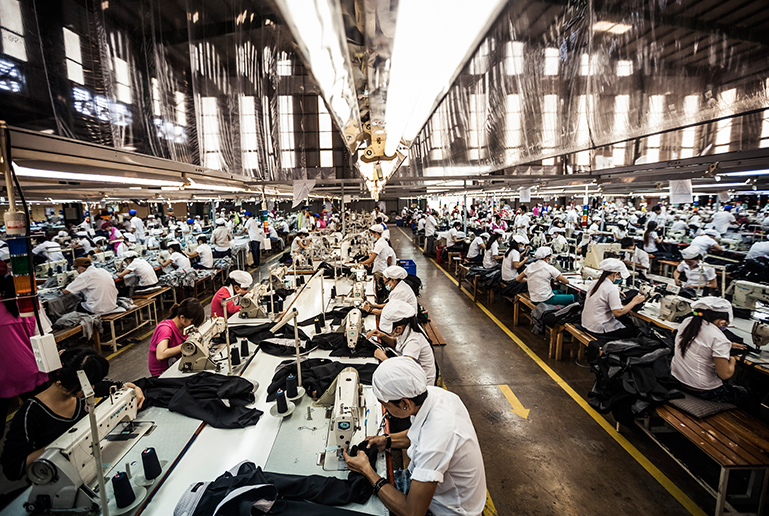
Just as there is an environmental cost to fast fashion, there is a human cost as well. These clothes are not being produced on their own, there are workers who have to work long hours to keep up with the demand fast fashion brands have for their clothing to be on the shelves.
It also impacts garment workers who have to work in dangerous environments, for low wages, and without fundamental human rights. A lot of fast fashion brands also use child labor to have more workers for the rapid production of their clothes. By looking further down the supply chain, we also become aware of how farmers are even impacted by fast fashion. These farmers may work with toxic chemicals and brutal practices that can have horrible impacts on their physical and mental health, this is highlighted in the documentary “The True Cost”.
Impact on Animals
The issue of fast fashion impacts is not just on human workers, but also on animals as well, which are a huge and important part of biodiversity and the environment. The toxic dyes and microfibres used in the fast fashion industry are released into waterways in the wild which are ingested by land and marine animals alike through the food chain to devastating effect. Additionally, animal products such as leather, fur, and wool, which are used in fashion directly, put animal welfare at risk. Even brands that promote items made using “faux fur” have revealed through scandals that real fur, including cats and dogs, is often used in the production of these clothing items to unknowing shoppers. The reality of the conditions animals are under in the fashion industry is that there is so much real fur being produced under terrible conditions in fur farms, that it becomes cheaper to produce and buy than “faux fur.”

Impacts on Consumers
Lastly, fast fashion recently also had a direct impact on consumers. These stores encourage a “throw-away” culture because of both the speed at which items become less trendy and because of the speed at which the items they want to sell are being produced. Fast fashion makes us subconsciously believe that we need to consume more and more in order to stay on top of trends, creating a constant sense of need and dissatisfaction.
Now, What Can We Do?
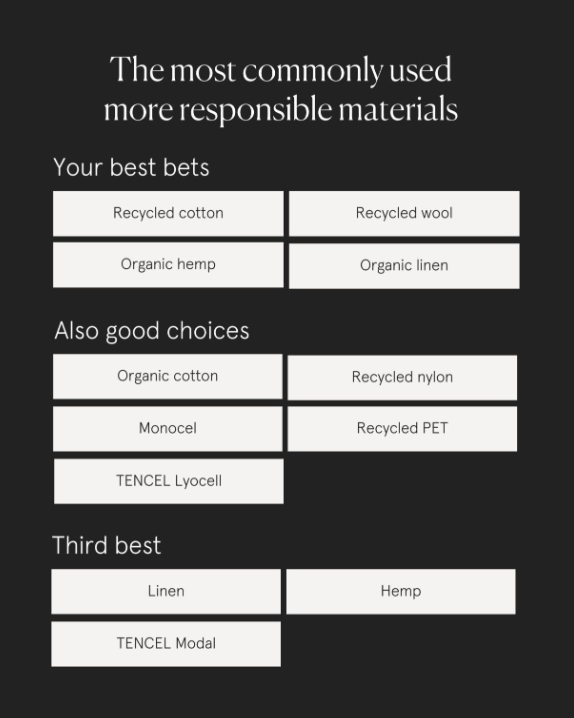
As consumers, there are a number of things you can do, as fast fashion brands are fueled by the number of people who are buying their products. The first thing is buying less, by trying to fall back in love with the clothes you already own. You can even go through your wardrobe and see different clothing items you can “flip”, like turning old jeans into unhemmed shorts, which are even a trending item now, or cropping an old hoodie to make it more stylish. Creating a closet with essential pieces is worth considering on your ethical fashion journey. This also connects to choosing your clothes well, by doing your research and choosing high-quality garments when shopping. A good article to begin your research is one from earth.org, “How to Recognise Fast Fashion Brands and Which Ones to Avoid”. In terms of choosing high-quality garments, try to look for items made of eco-friendly materials when shopping. If you don’t know where to start with that, I included a chart below of ‘responsible materials’ to look for when shopping. Choosing well could also mean shopping secondhand, such as at thrift stores or vintage stores, or supporting more sustainable brands. If you’re looking for thrift stores in the São Paulo area, I recommend this TikTok as a small guide! At last, making your clothes last is also something to consider when living in the age of fast fashion. Take care of your clothes, wear them until they are worn out, mend them whenever possible and if needed, responsibly recycle them at their very end.
 EAC PRESS