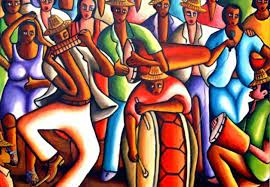
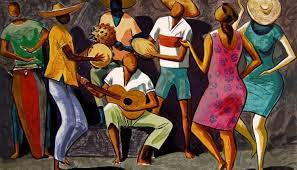
Heat kissing your skin, sand in your shoes, saltwater soaking your hair, samba playing in the background seemingly hugging your ears. Popular music critics, artists, historians, and social scientists regard samba as the most original or unique Brazilian musical genre. Whether or not samba is a national musical genre, its origin provides us with a record of an enormous mixture of rhythms and traditions that span the country’s history
Samba is an extremely popular musical genre among Brazilians. It originated in Rio de Janeiro at the beginning of the twentieth century, influenced by the afro-Brazilian who came as slaves to Brazil, batuques and that future became samba rodas. These batuques were related to religious aspects that produced a type of ceremonial communication within blacks through the music they produced.
Dance, percussion, and body gestures were all elements of the origin of samba. Some of the dances they used to practiced were called lundu, coco, and fandango. Samba dancing has quick steps and complicated moves that need a lot of energy and coordination to master. Weight shifts, rapid steps, and slides to a 2/4 percussive beat, and a relatively still upper body with arms and hands responding to hip and leg movements characterized the traditional African circle dance with a lone central performer. When slavery was abolished, the dancers moved to the favelas or shantytowns outside of cities, where freed slaves formed carnival dance troupes.
Among the genre are many major hits is “Não deixe o samba morrer”, by Edson Conceição and Aloísio Silva. Recorded in 1975, by Alcione, this song became an instant hit in the brazilian music industry. The title literally means don’t let samba die, the main idea behind the song is to alert people that culture can die, and it will if the people let it. Also that samba is not transferred through blood lineage, so it is key to pass this tradition.
Samba, one of the most influencial dance styles added to Brazil’s already rich culture, adding quick rhythms, colorful costumes, and entertaining moves to classic ballroom dances, which may explain why so many Latin dances have found their way into conventional ballroom contests. There’s no denying that the samba is high intensity and thrilling to see, whether you’re in the throng at carnival or watching out the motions on the dance floor at Bembe in Brooklyn’s fashionable Williamsburg.
 EAC PRESS