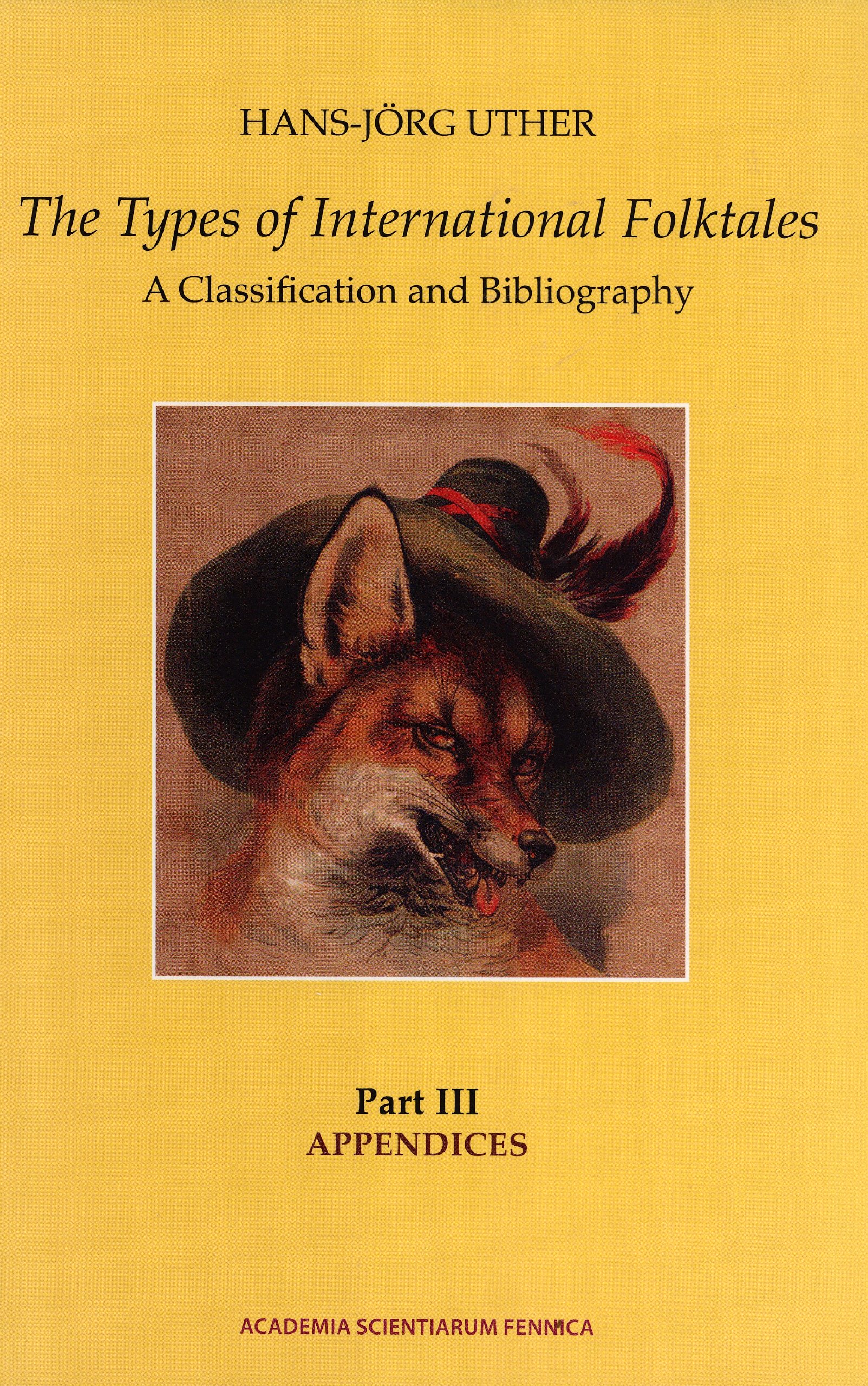
Folklore combines beliefs, customs, morels, and practices of distinct cultural groups. It also refers to myths, tales, and proverbs of old times in regard to a specific country. It also involves belief systems such as writes and rituals mostly about coupling, childbirth, initiation into adulthood, and ideas about the afterlife
Folklore, in Brazil, did not start as a typical educational tool but became one after it became a shared culture, it began to be introduced into children’s lives at a young age. Throughout our history, many different types of folklore became introduced. For example, Verbal folklore, also recognized as fairy tale stories, was first seen in Europe as a way to spread collective cultural identity.
Folklore was first developed by Antti Aarne, a Finnish folklorist who announced the first folklore in 1910. His folklore was impactful for several other folktales, as it established broad characters and typical stereotypes, the bases for many other works.

Finally, folktales can provide valuable insight into a country’s culture and art, and help engage in structuralism, which is described as literary criticism. Understanding a country’s history can benefit when studying folklore; since it helps shift the reader’s perspective in regards to the author’s intentions and perspective.
By: Julia Osorio
 EAC PRESS